
Last updated September 22, 2026
Level 1 sweep and inspection to the NFPA 211 annual standard - flue, crown, cap, and flashing checked and photographed
Chimney sweep logs do not sweep chimneys. They loosen some creosote - which then falls where a brush and vacuum still have to collect it.
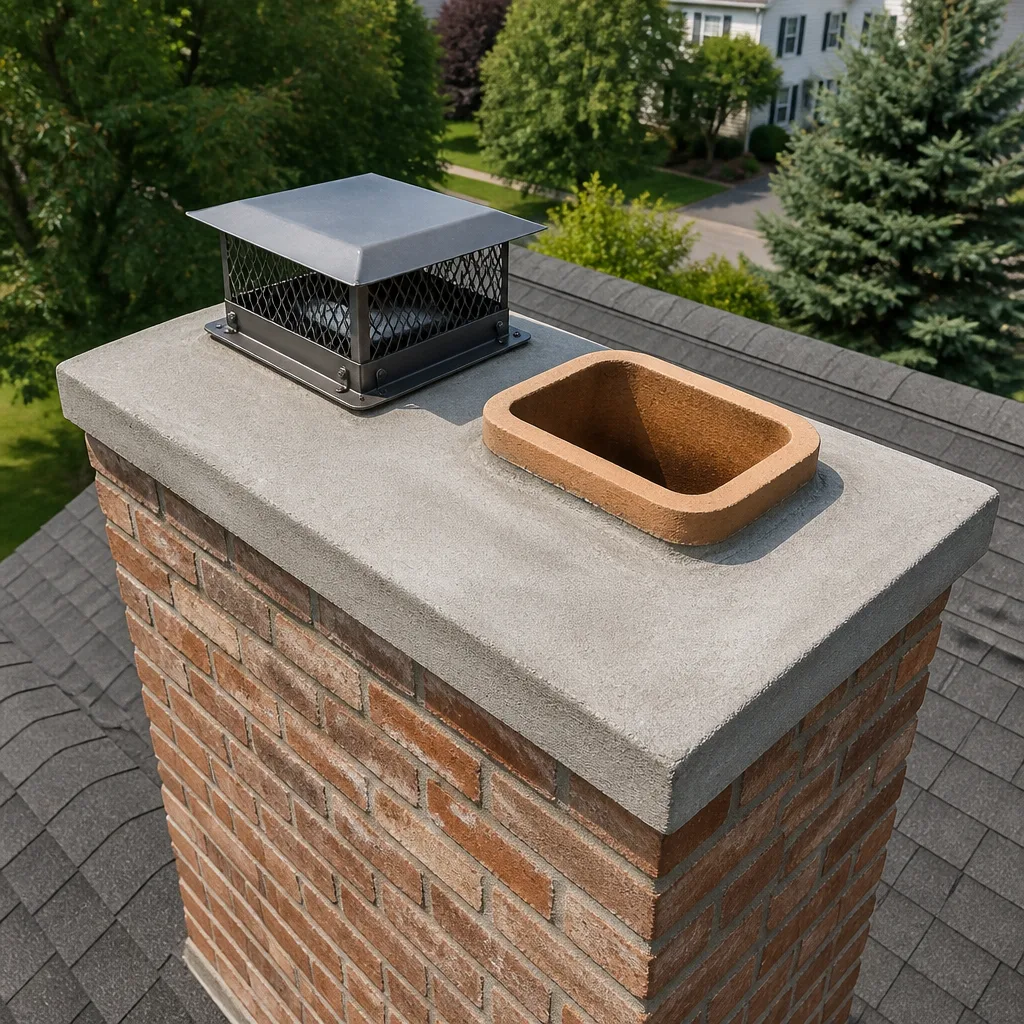
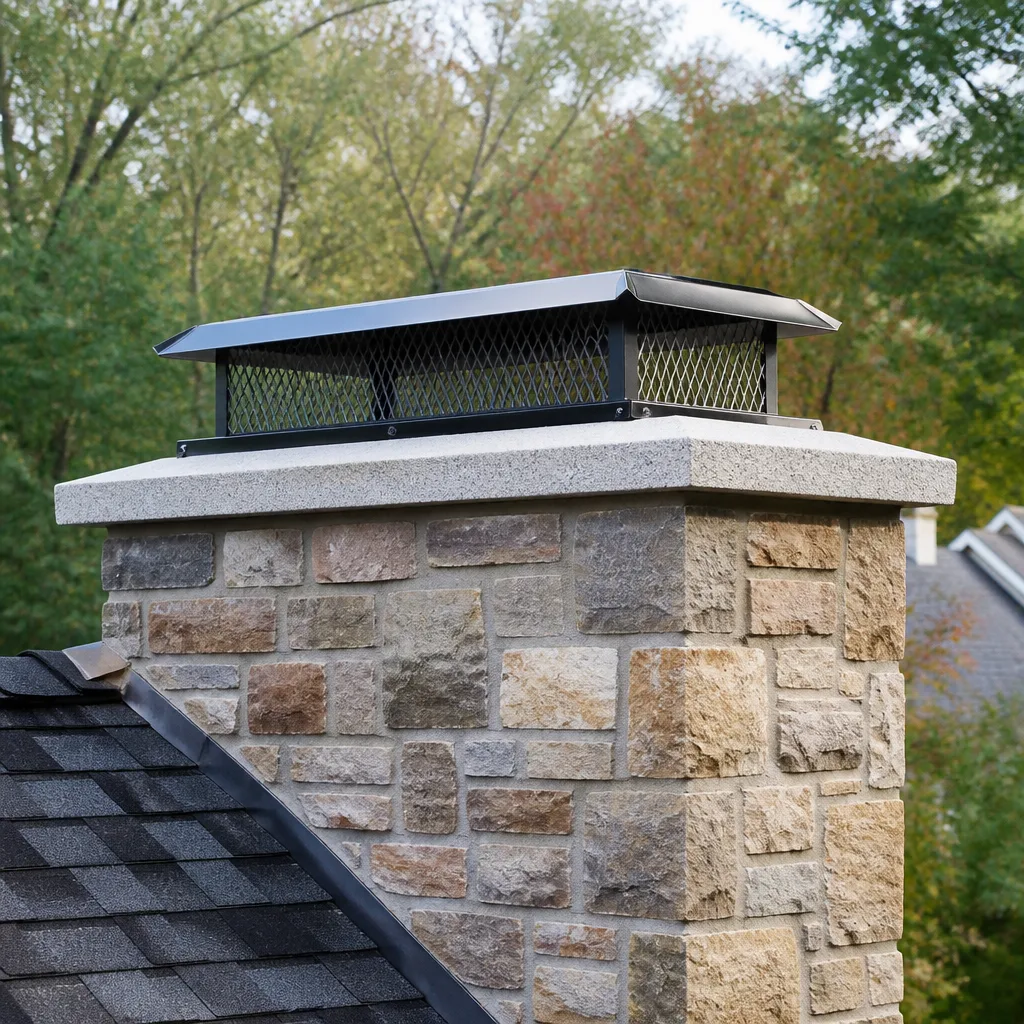
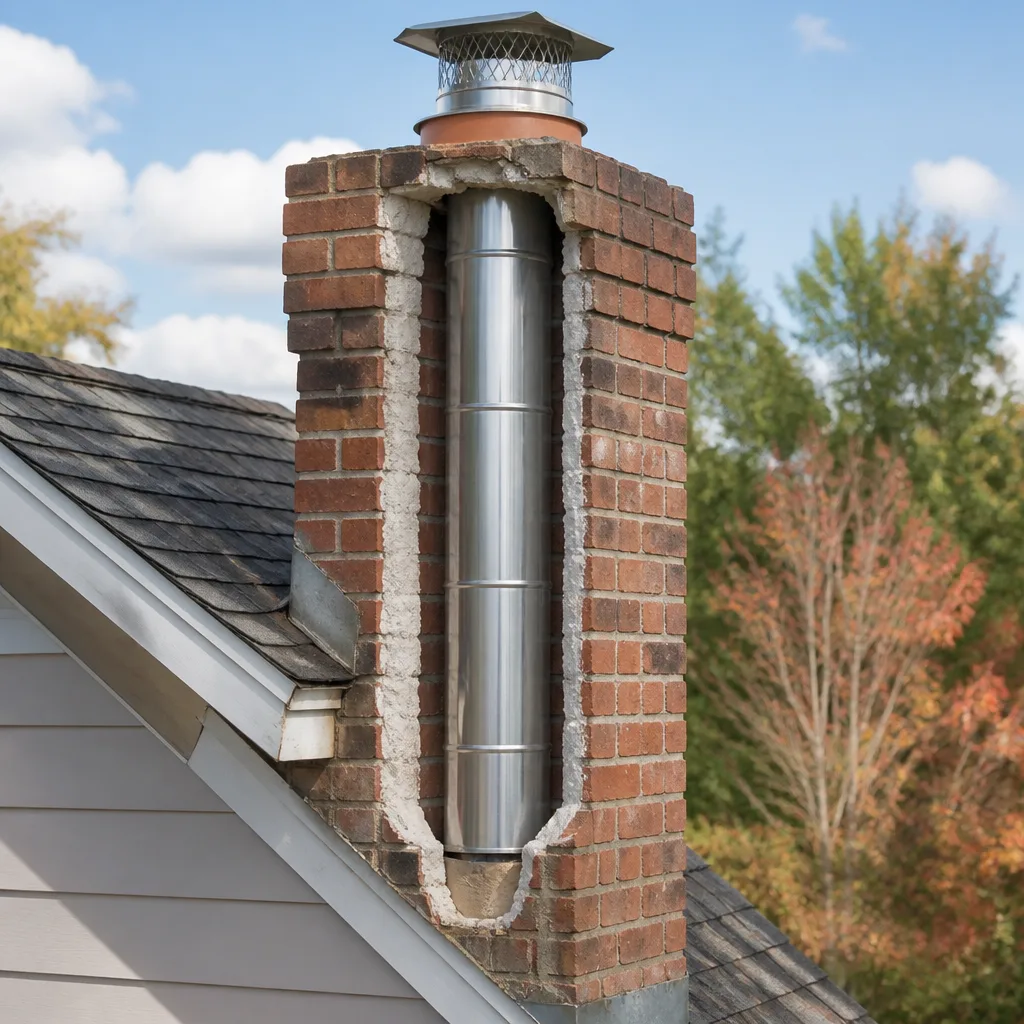
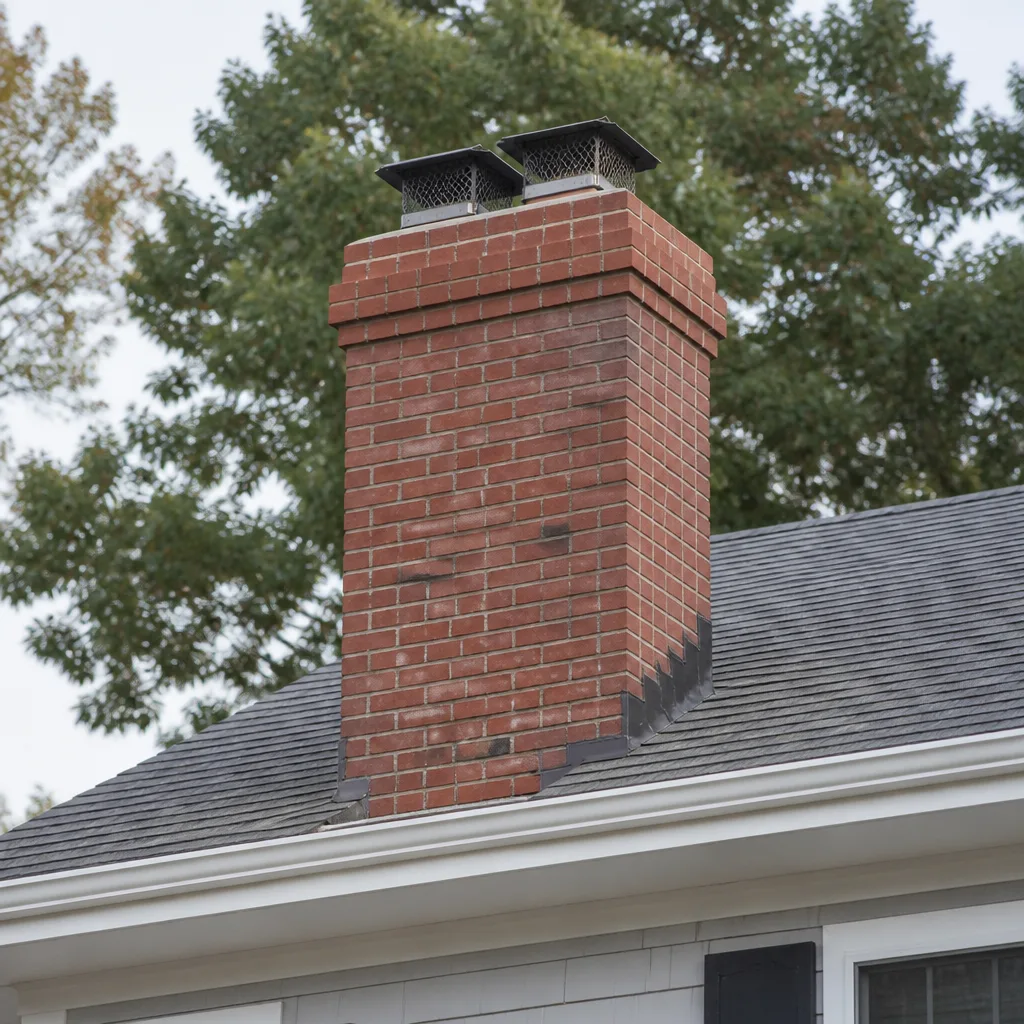
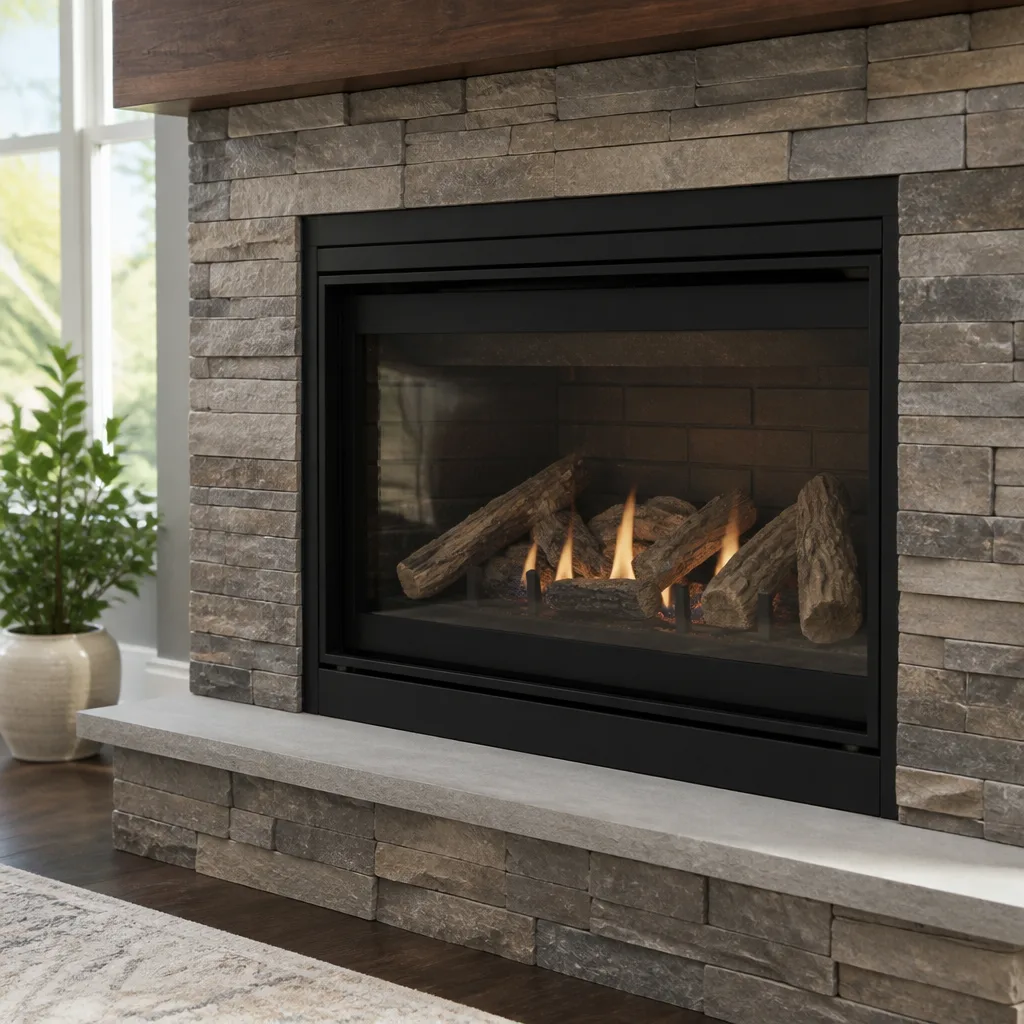
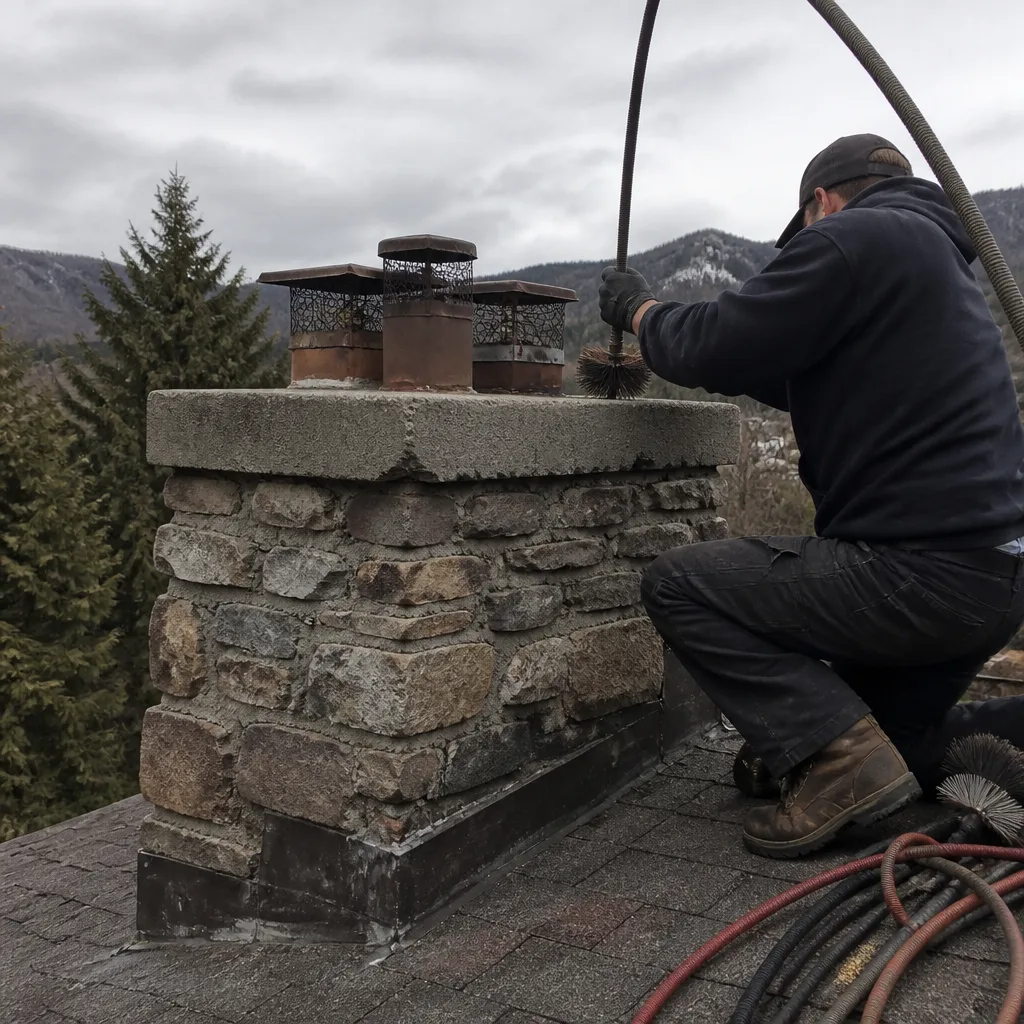 Before
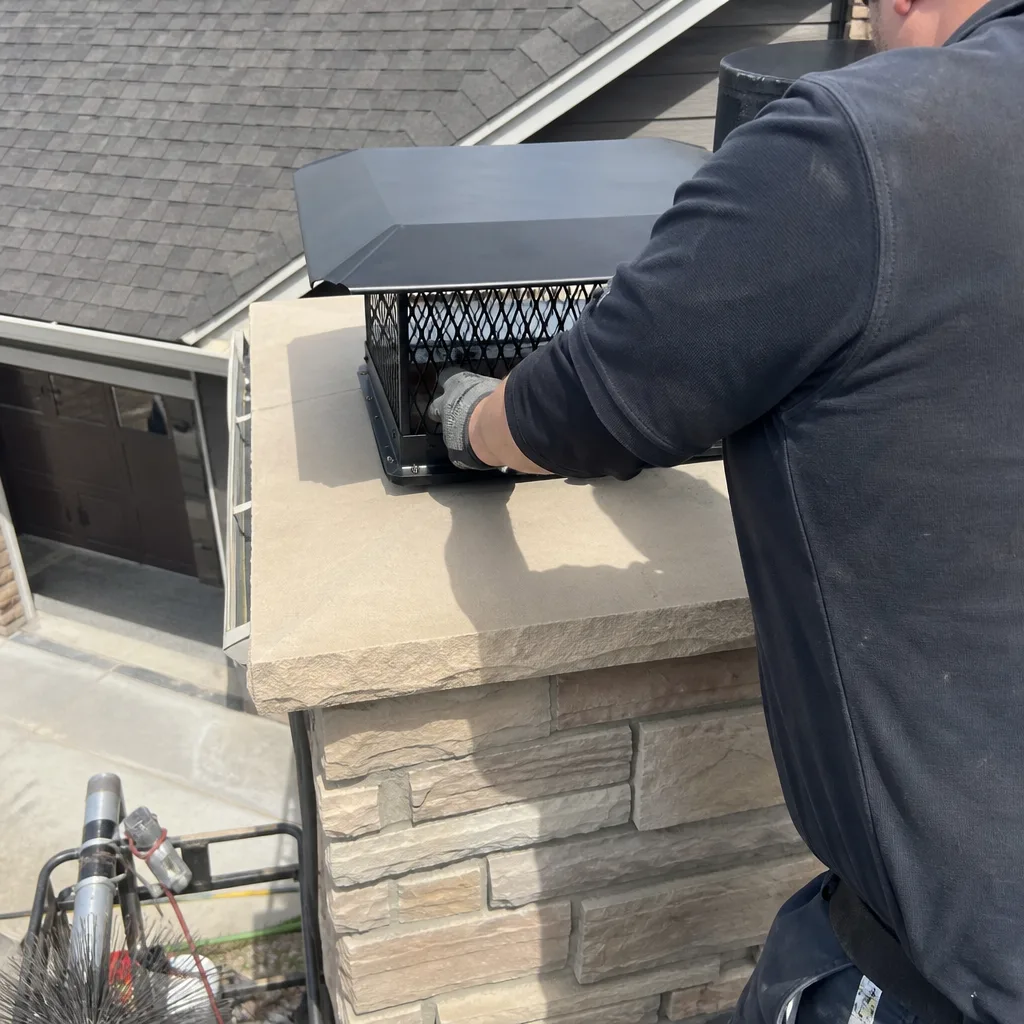 After
After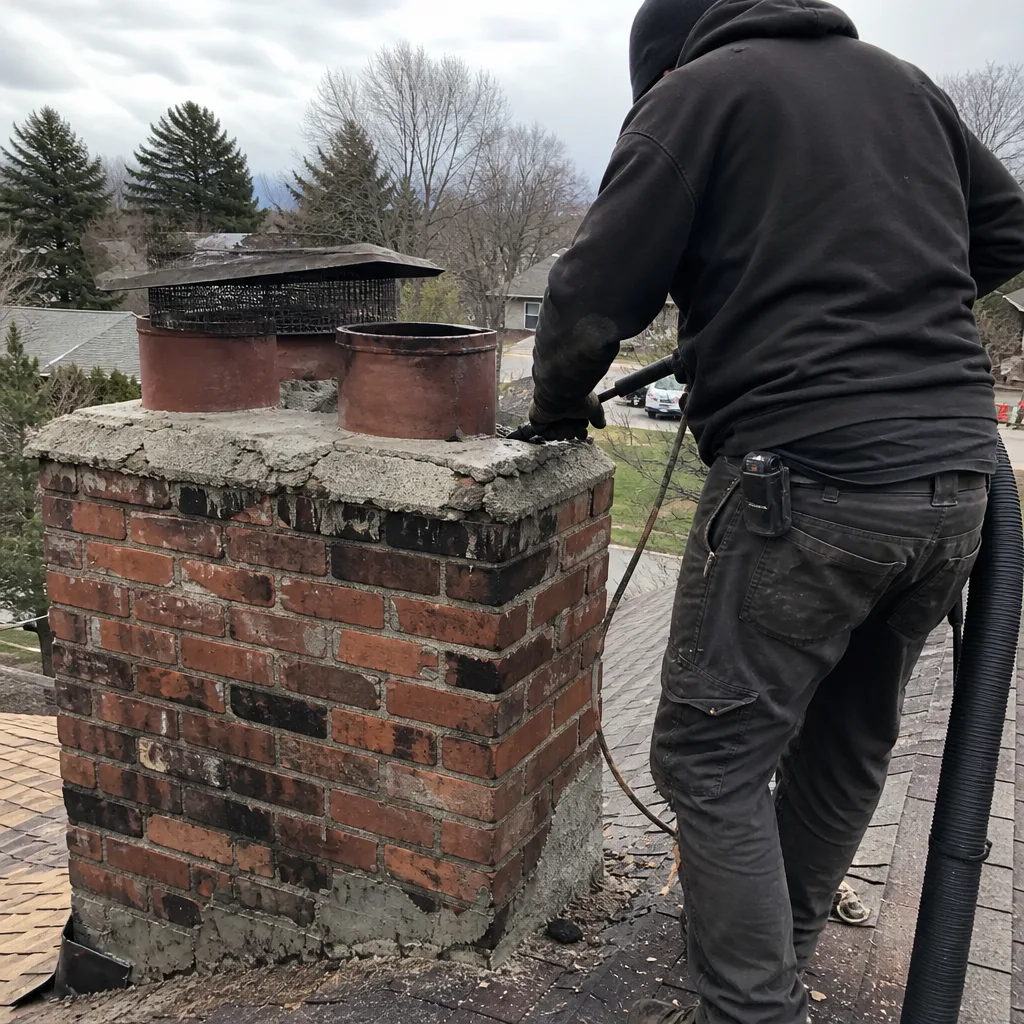 Before
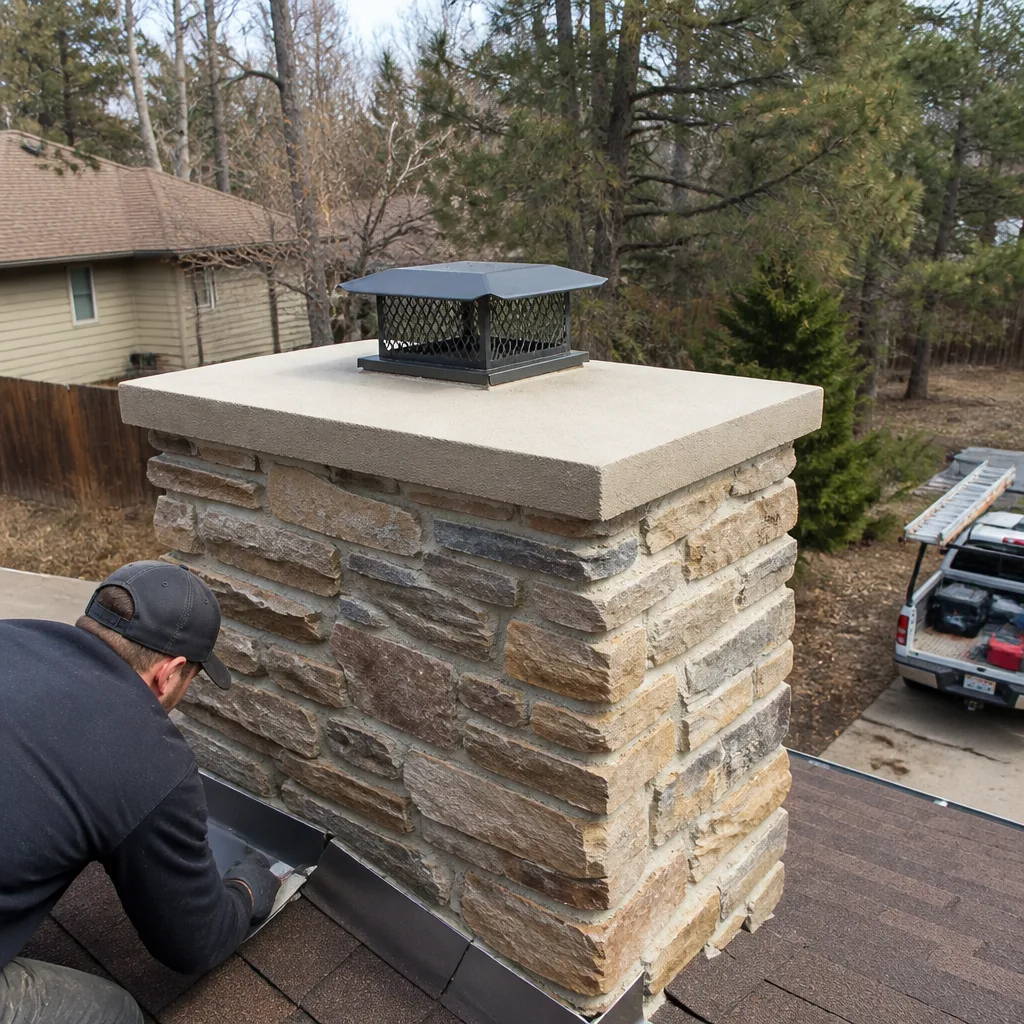 After
After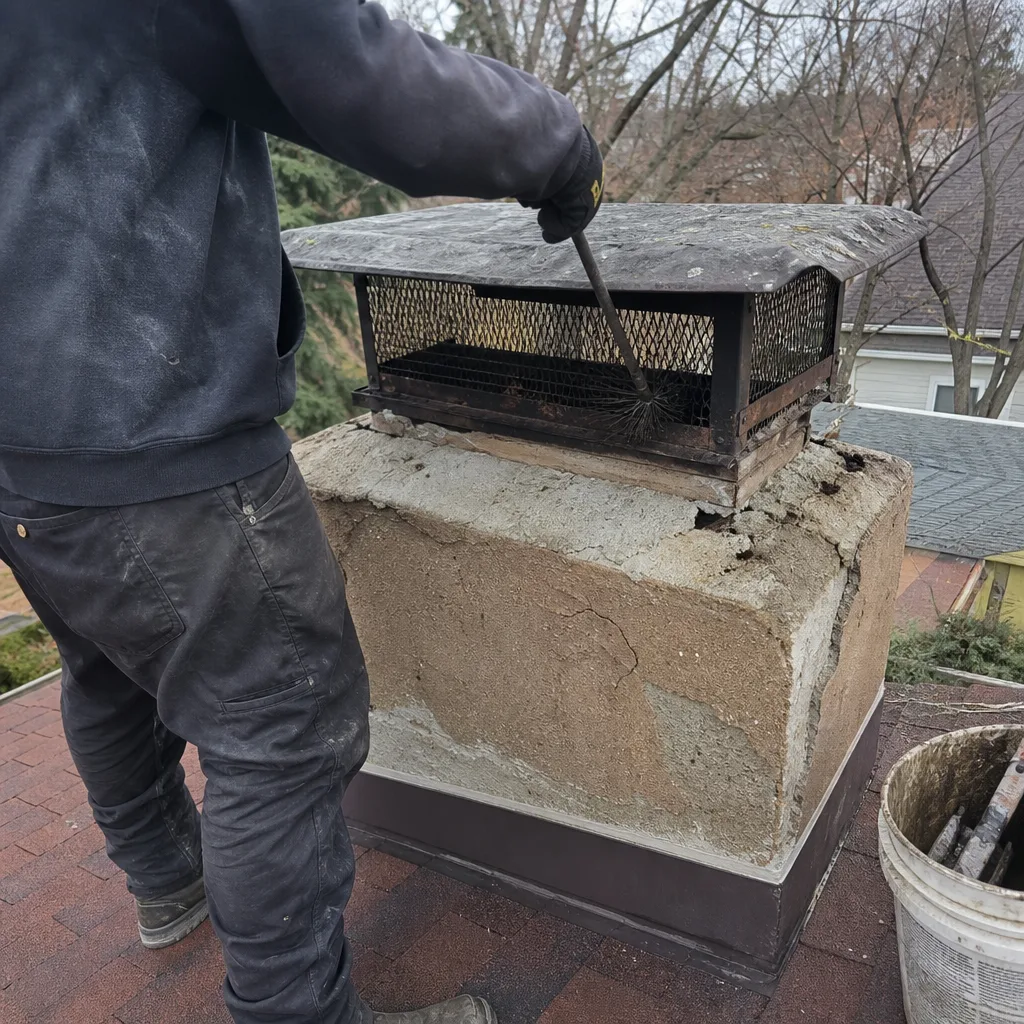 Before
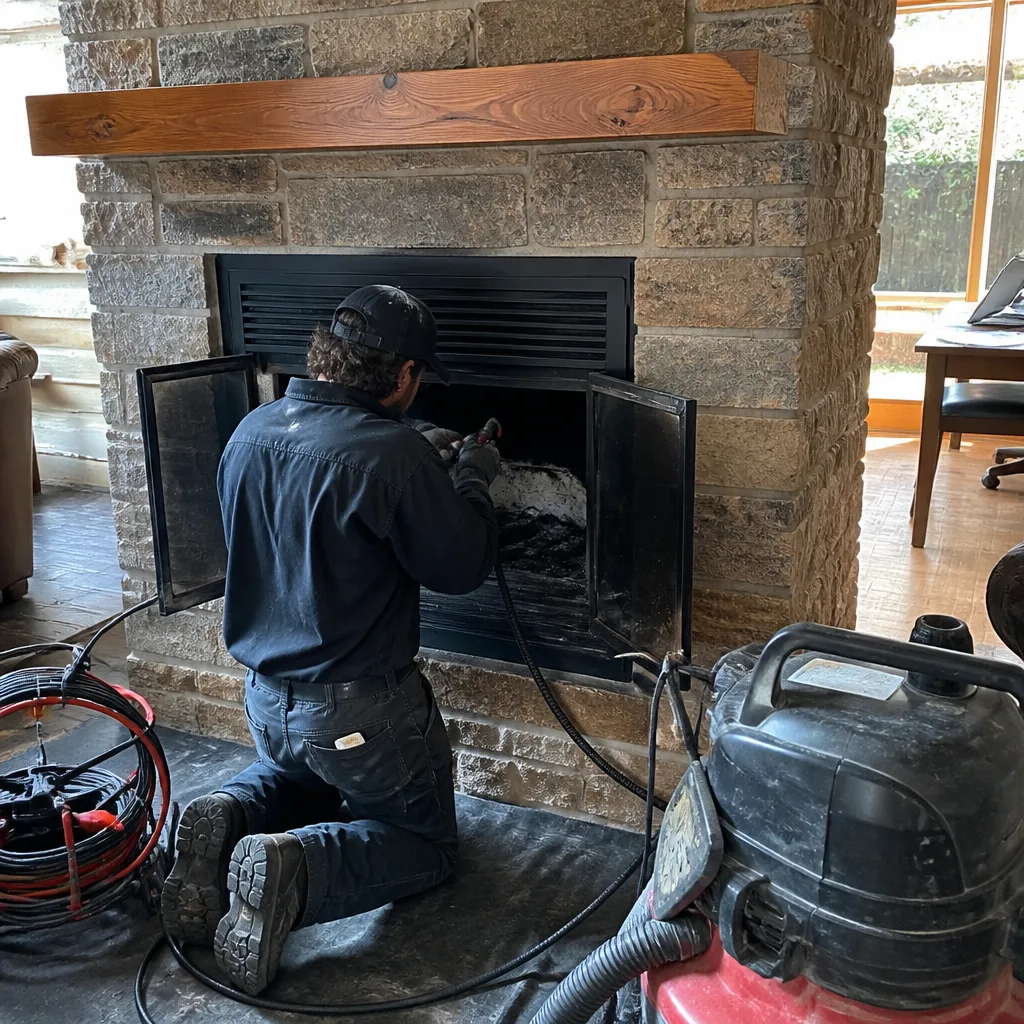 After
AfterThe Complete Guide to Chimney Cleaning in Boulder
At 5,430 feet, incomplete combustion happens at lower stack temperatures than most chimney guides were written to address. That means Boulder fireplaces can build Stage 2 creosote deposits in a single cord of pine that would take two cords of oak at sea level. In this guide and our more guides & resources, we’ll explain how Boulder’s altitude, fuel supply, and burn patterns create flue conditions that flat-state advice misses, what documentation actually protects you, and how to read a sweep report like an inspector. Whether you’re in Mapleton Hill, Martin Acres, or a newer build in Northfield, the physics of your chimney work differently here.
Quick Answer
A professional chimney cleaning in Boulder typically costs $200-$350 for a standard sweep with Level 1 inspection, or $280-$450 when a Level 2 camera scan is included. Most Boulder homeowners need this service annually, though pine-burning households and those at higher elevations may require more frequent attention due to faster creosote accumulation-something we detail in DIY vs Professional Chimney Cleaning: The Boulder Homeowner’s Decision Guide. Every completed job should produce a written report with photo documentation.
Table of Contents
- How Elevation Changes Everything: Combustion at 5,430 Feet
- Level 1 Flashlight vs. Level 2 Camera: What NFPA 211 Actually Requires
- What Happens During a Chimney Sweep in Boulder
- How to Read Your Sweep Report: Creosote Stages in Plain Terms
- Three Chimney Conditions Unique to Boulder’s Housing Stock
- The Written Record: Why Insurers and Real Estate Attorneys Request It
- What Chimney Cleaning Costs in Boulder and How Often You Need It
- Common Mistakes to Avoid
- When to Call a Professional
- Frequently Asked Questions
BeforeAfterHow Elevation Changes Everything: Combustion at 5,430 Feet
Most chimney safety guides were written for sea-level conditions. Boulder sits at 5,430 feet, where atmospheric pressure drops roughly 15% compared to coastal cities. Less oxygen per cubic foot means fires burn cooler and less completely, especially with resin-heavy fuels like the ponderosa pine and lodgepole that dominate local firewood markets.
Here’s what that means inside your flue. Incomplete combustion produces more volatile organic compounds that condense on cooler flue walls as creosote. At Boulder’s elevation, the threshold for dangerous accumulation arrives faster than EPA tables suggest. We’ve measured flue temperatures in Table Mesa homes running 80-120°F lower than equivalent fires at Denver’s elevation, and that gap widens further in older masonry with exterior exposure on north-facing walls.
The fuel supply compounds this. Pine seasons faster than hardwood but carries more sap. When Boulder homeowners burn “seasoned” pine that’s only been split six months, the moisture content often runs 25-30% instead of the sub-20% ideal. Wet pine at altitude produces a creosote profile closer to what Kansas City sees from green oak.
Local burn patterns add a third factor. Boulder’s burn season runs short and intense: first cold snap in October, then steady use through March, with shoulder-season fires that cycle between hot and smoldering. Those smoldering starts and overnight burns are exactly the conditions that build glazed creosote, the Stage 3 deposit that requires chemical treatment or mechanical removal.
Key implications for Boulder homeowners:
- Annual inspection is a minimum, not a conservative schedule
- Pine-primary households should plan for mid-season checks
- Exterior chimneys and those above 6,000 feet (Flagstaff, parts of Sunshine Canyon) need particular attention
- Thermal camera readings during inspection catch elevation-related performance issues that visual checks miss
We’ve documented this pattern across 38,000+ inspections since 2009. The homeowners who stay ahead of it are the ones who treat their sweep report as operating data, not just a receipt.
Level 1 Flashlight vs. Level 2 Camera: What NFPA 211 Actually Requires
The National Fire Protection Association’s Standard 211 defines three inspection levels. Most Boulder homeowners have only received Level 1, and many don’t know the difference until a real estate transaction or insurance claim forces the issue. Our How to Hire a Chimney Cleaning Contractor in Boulder: A Step-by-Step Guide explains what to ask before booking.
Level 1 is a visual inspection of readily accessible portions of the chimney exterior and interior, using a flashlight. No tools are used to open or remove components. It’s appropriate for annual maintenance when no changes have occurred to the system.
Level 2 includes everything in Level 1 plus examination of internal surfaces with a video scanning device, inspection of attics and crawl spaces where safe, and assessment of clearances to combustibles. NFPA 211 requires Level 2 after any of the following:
- Sale or transfer of property
- Change in fuel type (switching from gas to wood, or adding pellets)
- Change in appliance type or efficiency rating
- Chimney fire or operating malfunction
- New appliance installation
- External damage from weather or seismic event
The camera scan is what separates the two. A Level 2 inspector runs a high-resolution video camera the full length of the flue liner, recording every joint, every crack, every creosote deposit. The footage becomes a dated, time-stamped record that can be reviewed by insurers, attorneys, or subsequent inspectors.
Here’s where Boulder-specific conditions matter. The 1994 International Residential Code (IRC) introduced stricter clearance requirements that many pre-1994 Boulder homes don’t meet. When a wood-burning insert is retrofitted into an older flue, NFPA 211 treats this as a change in appliance type, triggering Level 2 requirements. We’ve found that many Boulder homeowners, and some sweep companies, skip this step.
At Emberly Chimney Cleaners Boulder home, we made camera-scan documentation the default in 2009, years before regulators or insurers asked for it. That practice became Clause 4 of the Haven Standard: a documented photo record on every visit, included as standard, not an optional add-on. We use equipment from Olympia Chimney and Famco suppliers to ensure consistent image quality.
The distinction matters financially too. A Level 1 sweep in Boulder runs $200-$280. Level 2 with camera documentation runs $280-$450 depending on flue accessibility and number of appliances. But the Level 2 record protects against the $3,000-$8,000 liner replacement that some companies recommend based on flashlight observations alone.
What Happens During a Chimney Sweep in Boulder
A proper chimney sweep is not a vacuum-and-brush routine. Here’s what happens when we arrive at a Boulder home, step by step:
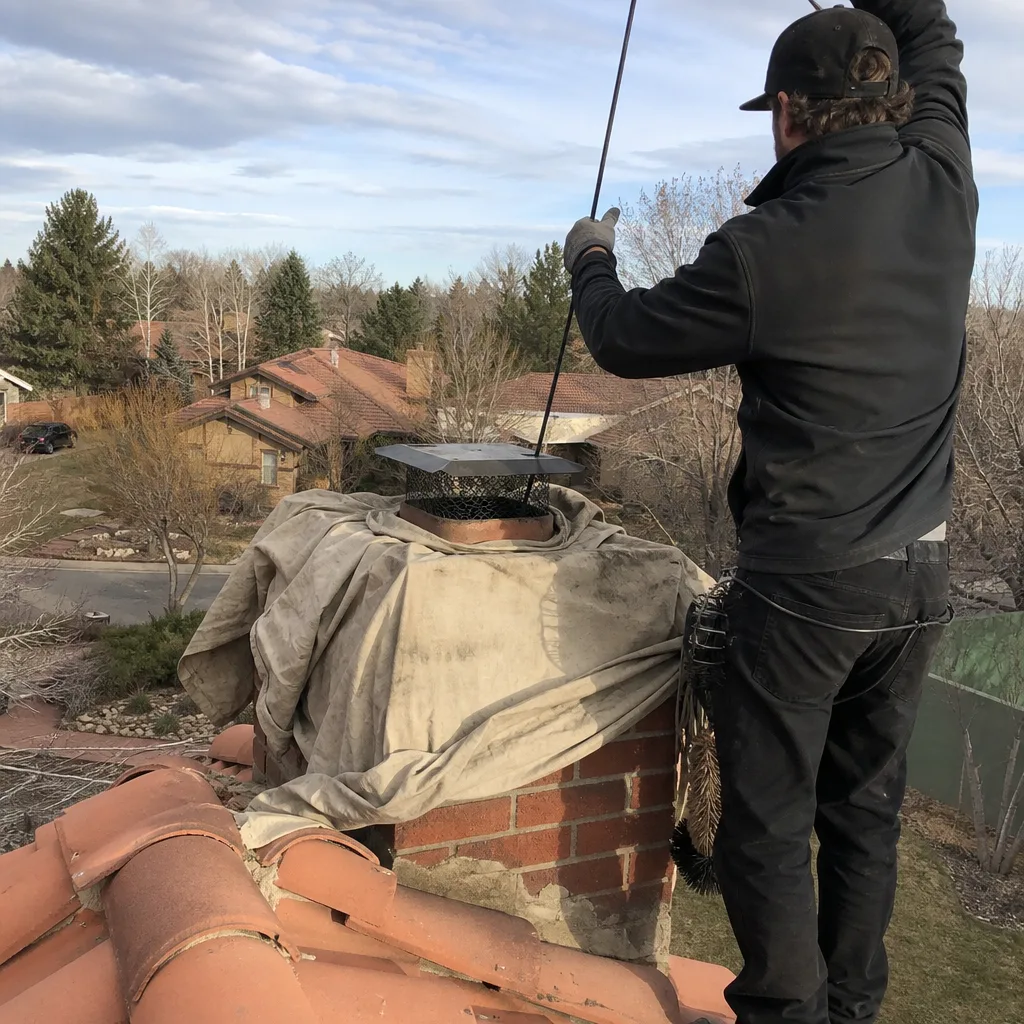
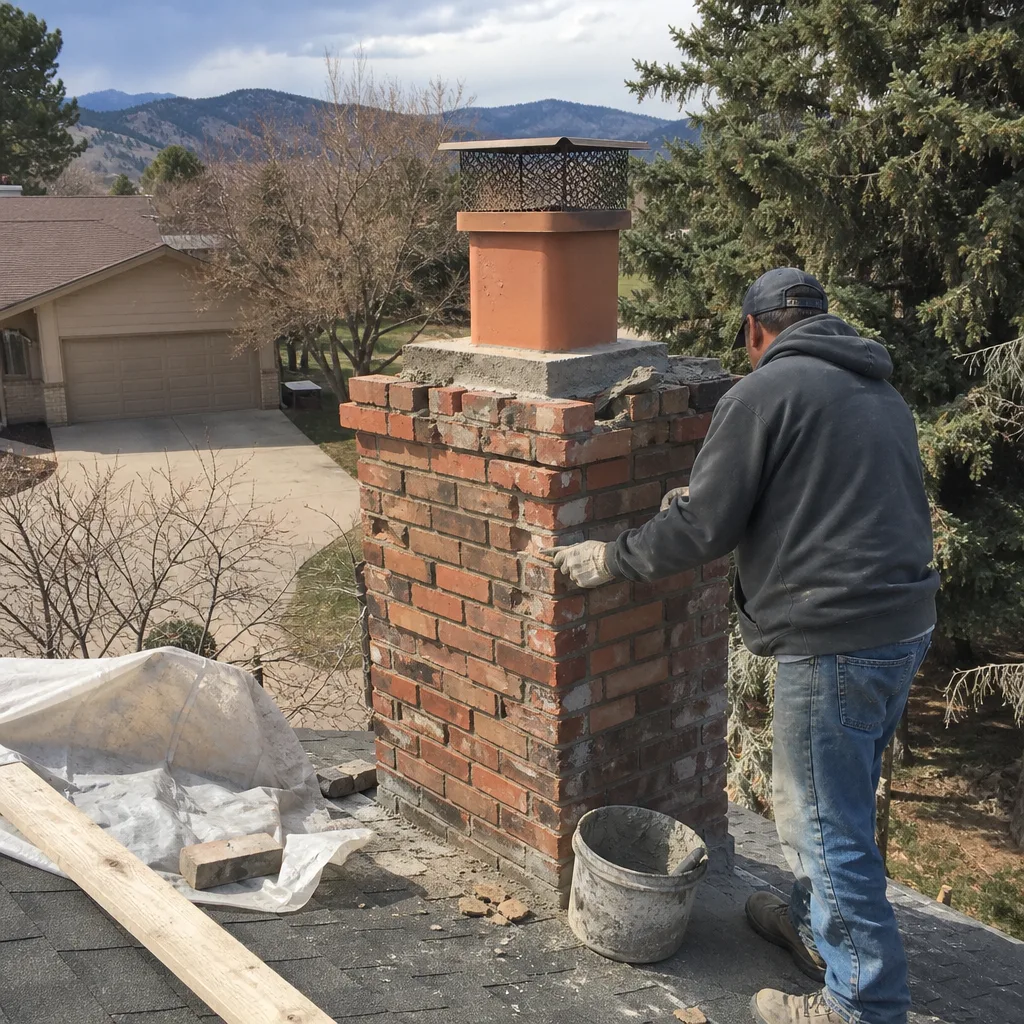
- Exterior assessment. We examine the chimney crown, cap, flashing, and visible masonry from the ground and roof. In Boulder, we’re looking for spalling (surface flaking) from freeze-thaw cycles, cricket integrity on steep-pitch roofs common in Chautauqua and Newlands neighborhoods, and cap condition after spring wind events.
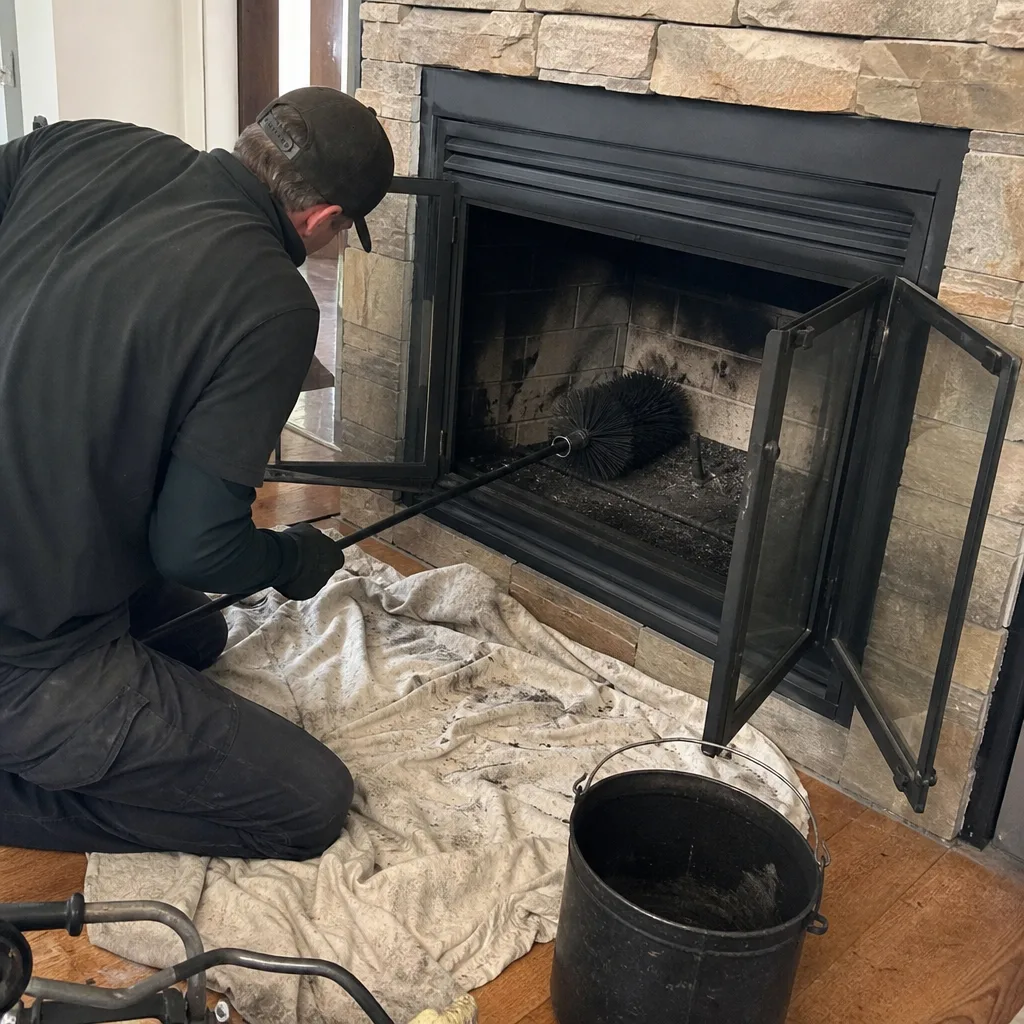
- Interior setup. Drop cloths, HEPA vacuum, and tool staging. We verify appliance type against our records and note any changes since last visit.
- Flue inspection before cleaning. Camera down the flue to document pre-cleaning condition. This catches structural issues that brushing could worsen, and establishes a baseline for the post-cleaning comparison.
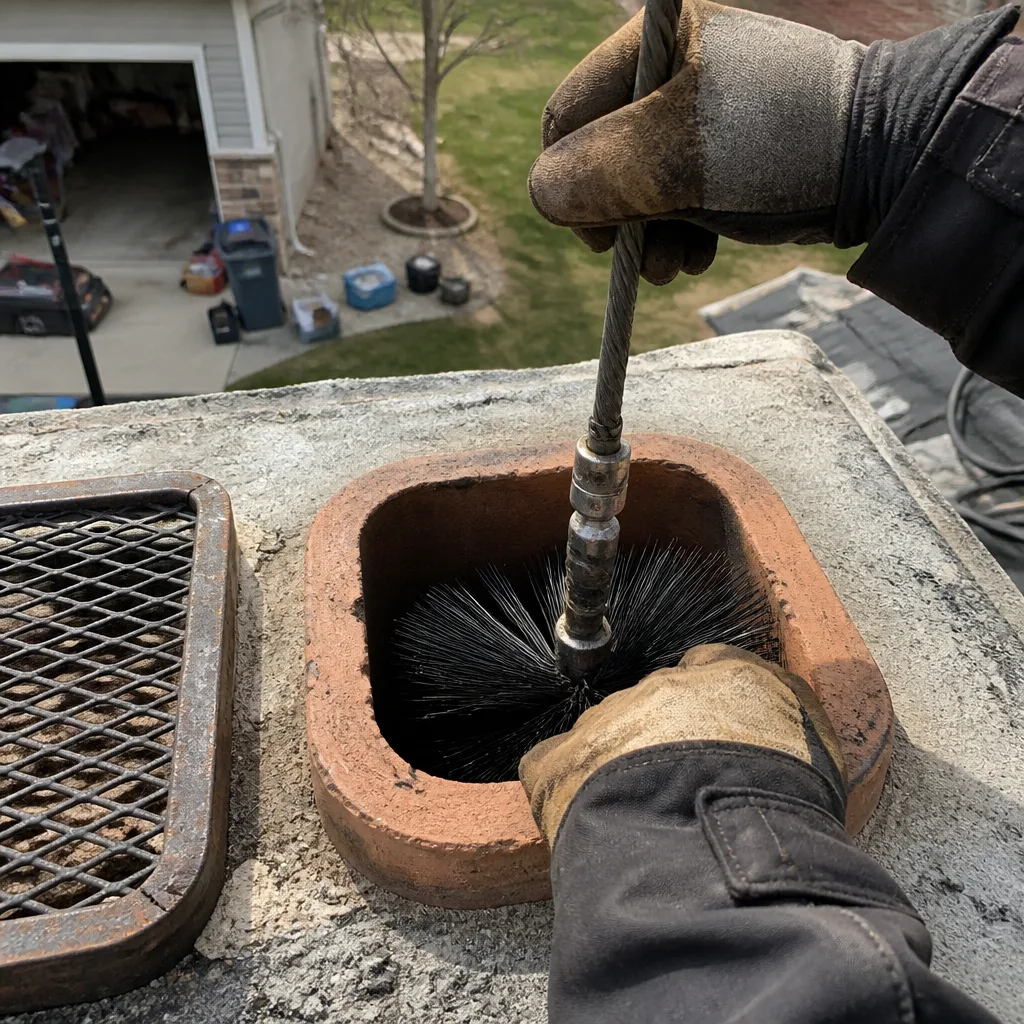
- Sweeping. Rotary or hand brushing matched to flue liner material: stainless steel brushes for clay tile, poly for stainless liners, specialized heads for coated systems. Debris is captured at the smoke chamber and removed via vacuum, not allowed to fall into the fireplace.
- Smoke chamber and firebox cleaning. The smoke chamber (the area above the damper, below the flue) is where most chimney fires start. We parge smooth any exposed corbelling and remove accumulated deposits.
- Post-cleaning camera scan. Full documentation of cleaned surfaces, with comparison to pre-cleaning footage. Any cracks, gaps, or deterioration are measured and recorded.
- Written report delivery. Before we leave, you receive a written price for any recommended repairs, a written scope of work, and a written warranty under our 365-Day Done Right Promise. Clause 1 of the Haven Standard requires this: Have it in writing.
The entire process takes 60-90 minutes for a single-flue system, 90-150 minutes for multiple appliances or complex access. We text when our technician is en route, and every tech is background-checked, uniformed, and arrives with license information displayed.
Boulder-specific note: homes in the foothills above 6,500 feet often have exterior chimneys with longer flue runs. These take additional time for proper camera deployment and may require two technicians for safe roof access during winter conditions.
How to Read Your Sweep Report: Creosote Stages in Plain Terms
Your sweep report should classify deposits using NFPA terminology. Here’s what those classifications mean in practice:
Light deposit / Stage 0: Sooty residue less than 1/8 inch thick, easily removed with brushing. Normal for gas appliances and well-maintained wood systems burning dry hardwood. No immediate action beyond scheduled maintenance.
Stage 1 creosote: Flaky, soot-like material that brushes off easily. Common after a season of moderate use with reasonably dry fuel. Indicates normal combustion with acceptable fuel moisture. Schedule next annual inspection.
Stage 2 creosote: Crusty, tar-like flakes that require more aggressive mechanical removal. This is where Boulder pine-burners often land after one season. The material contains more unburned hydrocarbons and ignites at lower temperatures. Stage 2 demands attention before next burn season, and fuel source or burning practice should be evaluated.
Stage 3 (glazed) creosote: Shiny, hardened coating resembling obsidian or tar. Requires chemical treatment to soften before mechanical removal, or specialized rotary equipment. Stage 3 is a chimney fire hazard and means the system should not be used until professionally addressed. We’ve seen Stage 3 develop in Boulder homes burning damp pine with overnight air restriction, especially in older masonry with cooler exterior flues.
Beyond creosote, your report should note:
- Flue liner condition: intact, cracked, spalled, or missing sections
- Crown integrity: cracks that allow water entry, which accelerates freeze-thaw damage
- Clearance to combustibles: especially critical in pre-1994 construction
- Damper operation: full open, full close, and any sticking
- Smoke chamber condition: parged smooth or rough, with deposit measurement
We deliver our reports with timestamped photo documentation, measurement data, and plain-language interpretation. If you don’t understand something, we explain it before we leave. Clause 4 of the Haven Standard requires this record; we don’t consider a job complete without it.
Three Chimney Conditions Unique to Boulder’s Housing Stock
Boulder’s housing market spans 120+ years of construction with distinct chimney challenges in each era. These three patterns appear repeatedly in our inspection data:
1. Pre-1994 Masonry with Inadequate Clearances
Homes built before the 1994 IRC adopted stricter chimney clearance requirements, particularly in historic Mapleton Hill, Whittier, and Goss-Grove neighborhoods. These chimneys often have 1-inch or 2-inch clearances to combustible framing where 2-inch minimum (often more) is now required. They’re legal if unaltered, but any modification, liner installation, or appliance change triggers current code compliance.
We’ve found original construction with no liner at all, just parged clay, or with deteriorated terra cotta that fragments during camera inspection. The critical question for these homes: was any work done without permit or proper inspection? Unpermitted inserts are common, and they create liability issues during real estate transactions that a Level 2 scan catches early.
2. Wood-Burning Inserts in Undersized Flues
The 1970s and 1980s energy crises drove insert installations across Boulder County. Many were placed into flues never designed for the concentrated heat output of modern EPA-certified stoves. The result: accelerated liner deterioration, creosote buildup in the reduced-diameter connector pipe, and occasional overfiring that damages surrounding masonry.
NFPA 211 requires Level 2 inspection after any insert installation. We estimate 30-40% of Boulder inserts we’ve inspected lack this documentation. The camera scan reveals connector pipe offsets, improper storm collar installation, and liner sizing mismatches that flashlight inspections miss.
3. Wildlife Nesting Season Overlapping Burn Prep
Boulder’s urban-wildland interface means raccoons, squirrels, and chimney swifts treat uncapped flues as habitat. Nesting season runs March through August, directly overlapping with the pre-season inspection window smart homeowners target. A nest partially blocking a flue creates draft problems that increase creosote formation and can force carbon monoxide into living spaces.
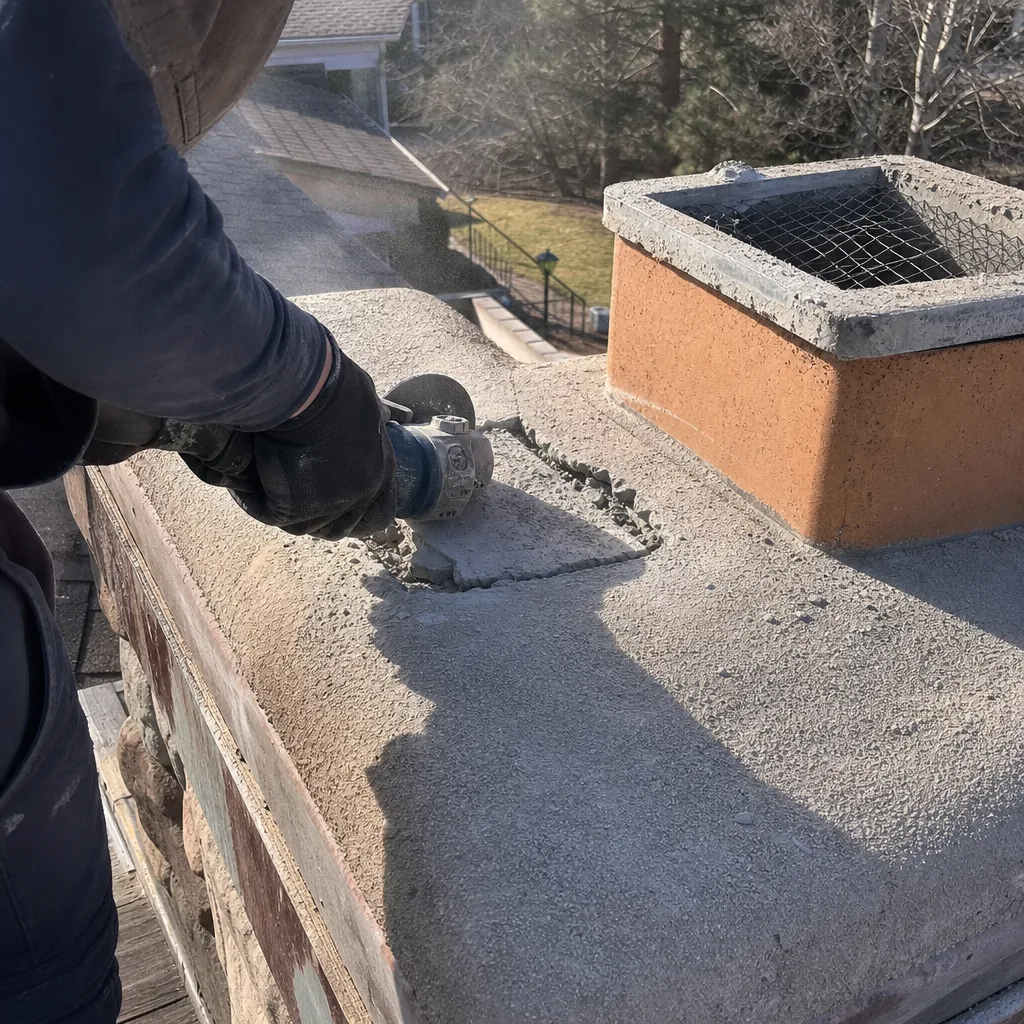
We recommend cap inspection in late summer, after nesting season but before first fire. Our materials from Gelco and Copperfield include animal-specific designs with proper spark arrestment. A cap that keeps wildlife out while maintaining proper draft is not an upsell; it’s basic system protection.
Homes near open space in Wonderland Hills, Devil’s Thumb, or east of Broadway in Martin Acres see higher wildlife activity and correspondingly more cap damage from determined raccoons.
The Written Record: Why Insurers and Real Estate Attorneys Request It
After 38,000+ inspections, we’ve learned that the sweep itself is half the value. The other half is the documented record that persists.
Insurance companies increasingly request chimney inspection documentation after claims involving fire, carbon monoxide exposure, or water damage from ice dams. A handwritten receipt saying “swept and inspected” provides no protection. A dated video file showing liner condition, with written scope and warranty, does.
Real estate transactions in Boulder’s competitive market move fast. Buyers’ inspectors flag chimney issues that kill deals or trigger renegotiation. Sellers with a multi-year Level 2 record can demonstrate proactive maintenance and preempt lowball repair credits. We’ve provided documentation for transactions from $400,000 condos to $4 million historic renovations; the principle is identical.
The Haven Standard’s Clause 4 requirement, a documented photo record on every visit, exists because we saw this need before the market demanded it. Our archive runs continuously since 2009. If you bought a home we previously serviced, we can often produce the prior inspection record with permission, establishing maintenance continuity that benefits both parties.
What the record contains:
- Date, technician name, and license verification
- Pre- and post-cleaning camera footage
- Measured creosote deposits and classification
- Liner condition assessment with crack mapping
- Crown, cap, and exterior masonry notes
- Clearance measurements where accessible
- Written price, scope, and warranty for any recommended work
- Customer acknowledgment of receipt
We store records for the statutory period and provide copies on request. This is not a premium service. It’s included on every job, because documentation is the inspection standard we work to.
What Chimney Cleaning Costs in Boulder and How Often You Need It
Price transparency is central to how we operate. Here’s what chimney cleaning costs in Boulder’s market, with the variables that move the number.
| Service | Price Range | What’s Included |
|---|---|---|
| Level 1 sweep and inspection | $200-$280 | Visual inspection, rotary brushing, debris removal, basic written report |
| Level 2 sweep with camera scan | $280-$450 | Full video documentation, attic/crawl space inspection as accessible, written scope and warranty |
| Stage 3 creosote removal | $450-$750 | Chemical treatment or specialized mechanical removal, extended camera documentation |
| Multi-flue systems (2+ appliances) | Add $120-$180 per additional flue | Separate documentation for each appliance and flue |
| Cap replacement (standard) | $280-$450 installed | Stainless or galvanized cap, proper sizing, animal guard, spark arrestor |
Factors that increase cost: steep roof pitch requiring safety equipment, exterior chimneys with limited deck access, pre-1994 construction requiring clearance verification, and homes above 6,500 feet where travel and setup time extend.
Frequency guidance for Boulder conditions:
- Annual minimum: All wood-burning systems, per NFPA 211
- Semi-annual: Primary pine burners, heavy-use households, rental properties
- Post-event: Any chimney fire, lightning strike, seismic event, or appliance change
- Pre-sale: Level 2 inspection before listing, to preempt buyer inspection findings
The “cord per season” rule that works at sea level understates Boulder risk. We recommend inspection after every cord of pine, or every 1.5 cords of mixed hardwood, as a practical local guideline. Your sweep report will specify timing for your next service based on what we measured, not a calendar default.
We never recommend work without camera evidence you can see. If a liner replacement is suggested, you’ll see the crack, the gap, or the deterioration that justifies it. Our Free Second Opinion on Any Written Estimate applies if another company has recommended work you want verified.
Common Mistakes to Avoid
- Assuming “seasoned” pine from a Boulder roadside stand is dry enough. We’ve tested supposedly seasoned pine at 28-35% moisture. It needs 12 months minimum in Boulder’s dry climate, or kiln drying, to burn clean.
- Skipping inspection after switching from gas to wood. NFPA 211 requires Level 2 inspection after any fuel change. Gas flues are sized and lined differently; wood combustion produces creosote that gas doesn’t. The liability exposure is real.
- Hiring based on lowest price without verifying what’s included. A $99 sweep that omits camera documentation, provides no written warranty, and sends unverified technicians costs more when problems surface later. Ask specifically: is the camera scan included, or extra? Is there a written warranty?
- Ignoring the smoke chamber. This is where most chimney fires start, yet many sweeps don’t access or document it. Verify your service includes smoke chamber inspection and cleaning, not just flue brushing.
- Waiting for visible smoke problems before calling. By the time smoke backs up into the room, you likely have significant blockage, liner damage, or negative pressure issues from Boulder’s tight modern construction. Preventive inspection catches these before symptoms appear.
- DIY creosote removal with hardware store chemicals. These products can damage stainless liners, produce toxic fumes if misapplied, and rarely address Stage 3 deposits effectively. The savings evaporate when professional remediation becomes necessary.
- Neglecting cap maintenance after wildlife encounters. A damaged cap admits animals, water, and debris. In Boulder’s spring wind and fall snow load, cap integrity degrades faster than many homeowners realize.
When to Call a Professional
Call for inspection before symptoms become emergencies. Specific scenarios that warrant immediate professional attention: visible cracks in the firebox or flue liner, pieces of tile or masonry in the fireplace, smoke entering the room during normal operation, a strong odor of creosote during warm weather (indicating active deposit off-gassing), or any suspected chimney fire event, even if self-extinguished.
Carbon monoxide symptoms, headaches, or nausea when the fireplace operates demand urgent evaluation of the entire system, not just the chimney. We coordinate with HVAC professionals when negative pressure or appliance interaction is suspected.
Chimney Cleaning & Sweep in Boulder from Emberly Chimney Cleaners Boulder includes the inspection documentation that protects your investment and your household. We offer free estimates in Boulder and surrounding areas. Call (970) 598-0453 to schedule, or to request a Free Second Opinion on any written estimate you’ve received.
Frequently Asked Questions
A standard Level 1 chimney sweep and inspection in Boulder costs $200-$280, while a Level 2 sweep with camera documentation runs $280-$450. Stage 3 creosote removal or multi-flue systems cost more. We deliver a written price before any work starts, with no hidden fees. Call (970) 598-0453 for an exact quote, estimates are free.
A legitimate liner recommendation comes with camera footage showing the specific damage: cracks, gaps, missing sections, or deterioration that compromises safety. At Emberly Chimney Cleaners Boulder, we show you the footage and explain the hazard before quoting replacement. Our Free Second Opinion on Any Written Estimate lets you verify any recommendation you’ve received elsewhere. If work can safely wait, we say so plainly.
Annually at minimum for all wood-burning systems, per NFPA 211. Boulder households burning primarily pine, operating at higher elevations, or using fireplaces as primary heat should consider semi-annual inspection. Your sweep report specifies timing based on measured deposits, not a generic schedule.
Accumulated creosote ignites at temperatures as low as 451°F, well within normal fireplace operating range. A chimney fire can crack liners, damage masonry, and spread to surrounding structure. Even without fire, blocked or deteriorated flues force carbon monoxide and smoke into living spaces. In Boulder’s tight modern construction, negative pressure compounds this risk. The cost of prevention is a fraction of remediation.
A sweep removes deposits and debris. An inspection evaluates system condition. They’re often performed together, but they’re distinct services. NFPA 211 defines inspection levels; a sweep without proper inspection documentation doesn’t satisfy insurance or real estate requirements. Our Chimney Repair in Boulder page details when inspection findings lead to repair recommendations.
Yes. Lower atmospheric pressure at 5,430 feet reduces combustion efficiency, producing more creosote per cord than equivalent fires at sea level. Cooler stack temperatures in exterior chimneys compound this. Pine’s higher resin content adds a third factor. These conditions are why we recommend more frequent inspection than generic national guidance suggests, and why camera documentation matters for tracking accumulation rates over time.
Basic brushing of an accessible, straight flue with proper equipment is physically possible for some homeowners. However, without camera inspection, you cannot verify liner condition, identify hidden damage, or document the work for insurance or real estate purposes. For Stage 2 or 3 creosote, steep roof access, or pre-1994 construction with unknown clearances, professional service is the safer choice. We do not provide DIY guidance for high-tension spring systems, gas line work, or steep roof access due to injury risk.
Verify CSIA certification or equivalent training, request proof of insurance and bonding, confirm that camera inspection is included rather than extra, and insist on written price, scope, and warranty before work begins. Ask how records are stored and whether they’re available for future real estate or insurance needs. At Emberly Chimney Cleaners Boulder, all of this is standard practice under the Haven Standard, not optional upgrades.
The Bottom Line
Boulder’s altitude, pine-heavy fuel supply, and intense shoulder-season burn patterns create chimney conditions that generic advice understates. The difference between safe operation and hidden hazard often comes down to documentation: camera footage that shows what’s actually inside the flue, written records that persist for insurance and real estate needs, and clear classification of deposits so you understand your system’s trajectory.
We’ve completed more than 38,000 inspections and cleanings since 2009, every one with a written price before work started and a documented record when it was done. The Haven Standard’s requirements, developed from that experience, exist because evidence protects homeowners better than reassurance ever could.
For chimney cleaning in Boulder that includes genuine inspection documentation, call Emberly Chimney Cleaners Boulder at (970) 598-0453. Estimates are free, and we offer a Free Second Opinion on any written estimate you’ve received.
Written by Corrine Halstead, Owner at Emberly Chimney Cleaners Boulder, serving Boulder since 2009.