
Last updated September 22, 2026
Level 1 sweep and inspection to the NFPA 211 annual standard - flue, crown, cap, and flashing checked and photographed
Chimney sweep logs do not sweep chimneys. They loosen some creosote - which then falls where a brush and vacuum still have to collect it.
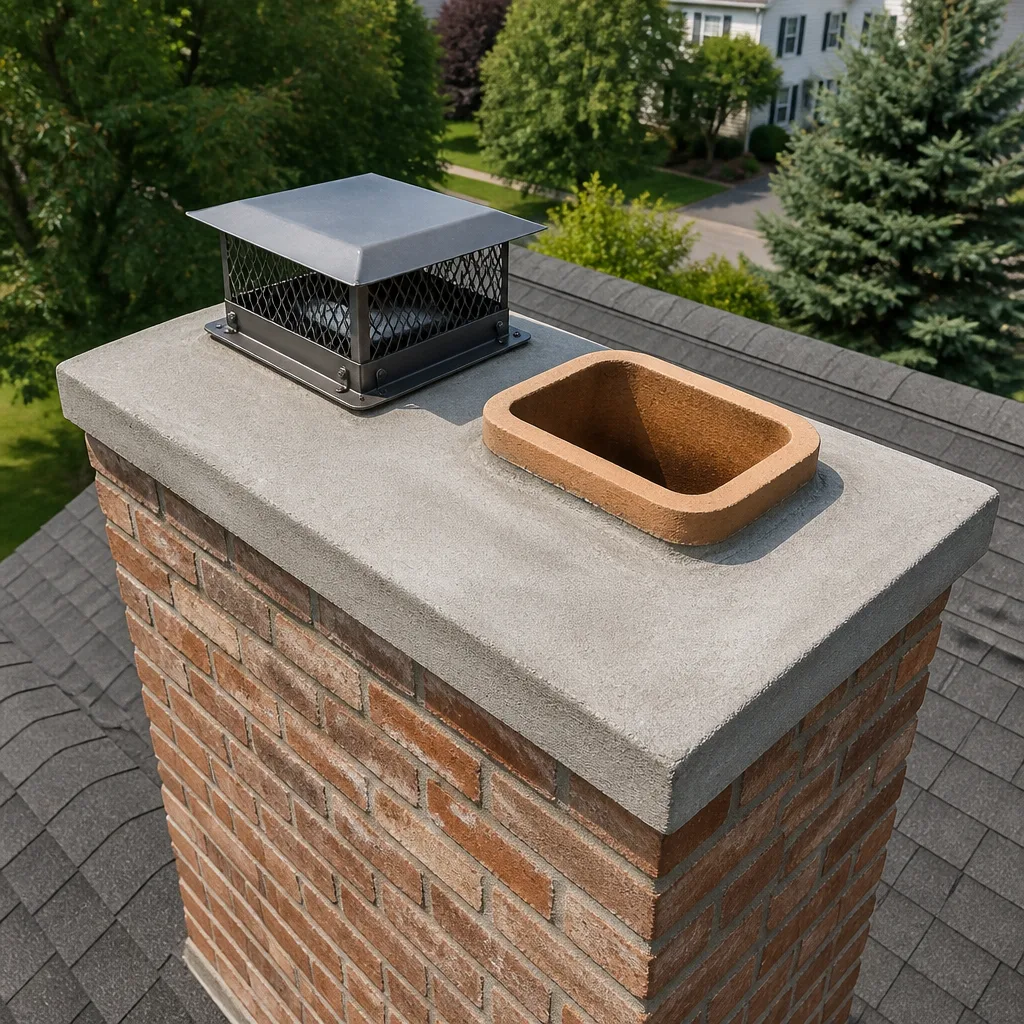
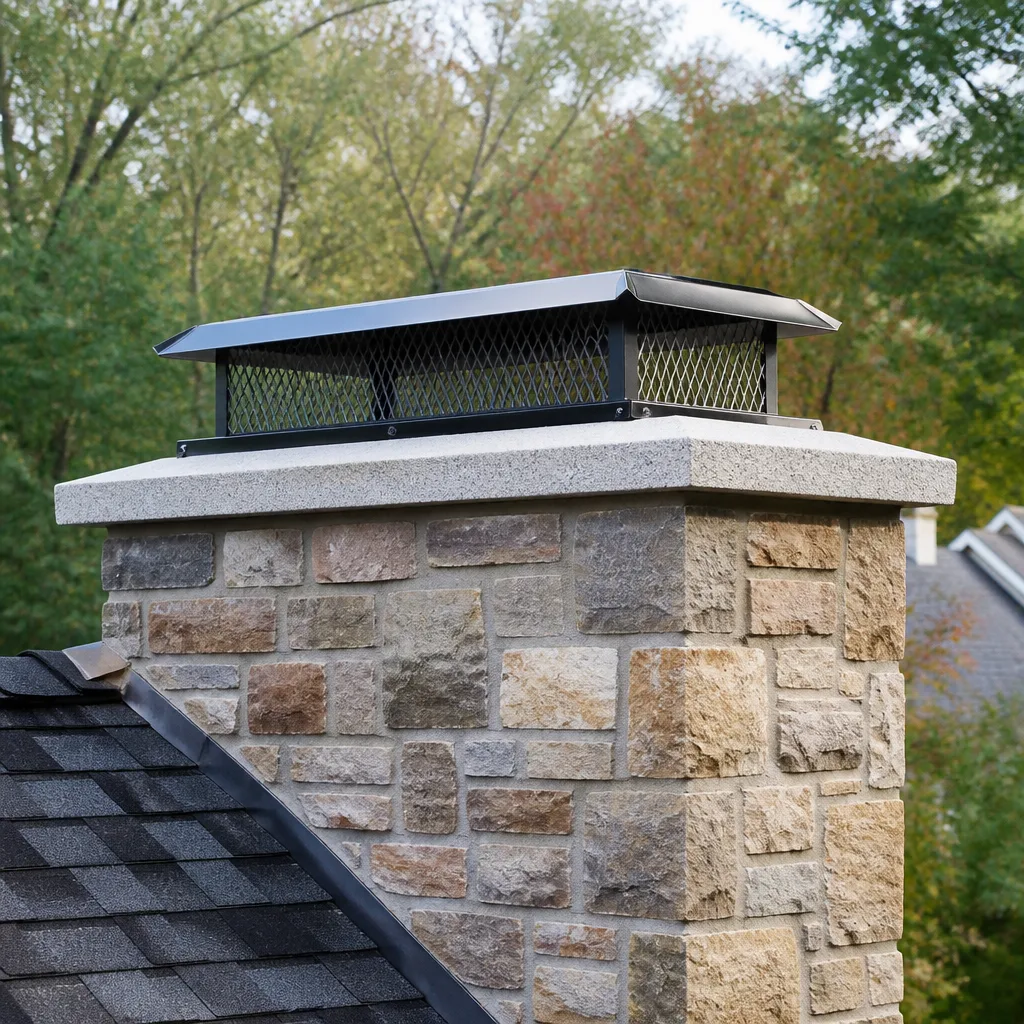
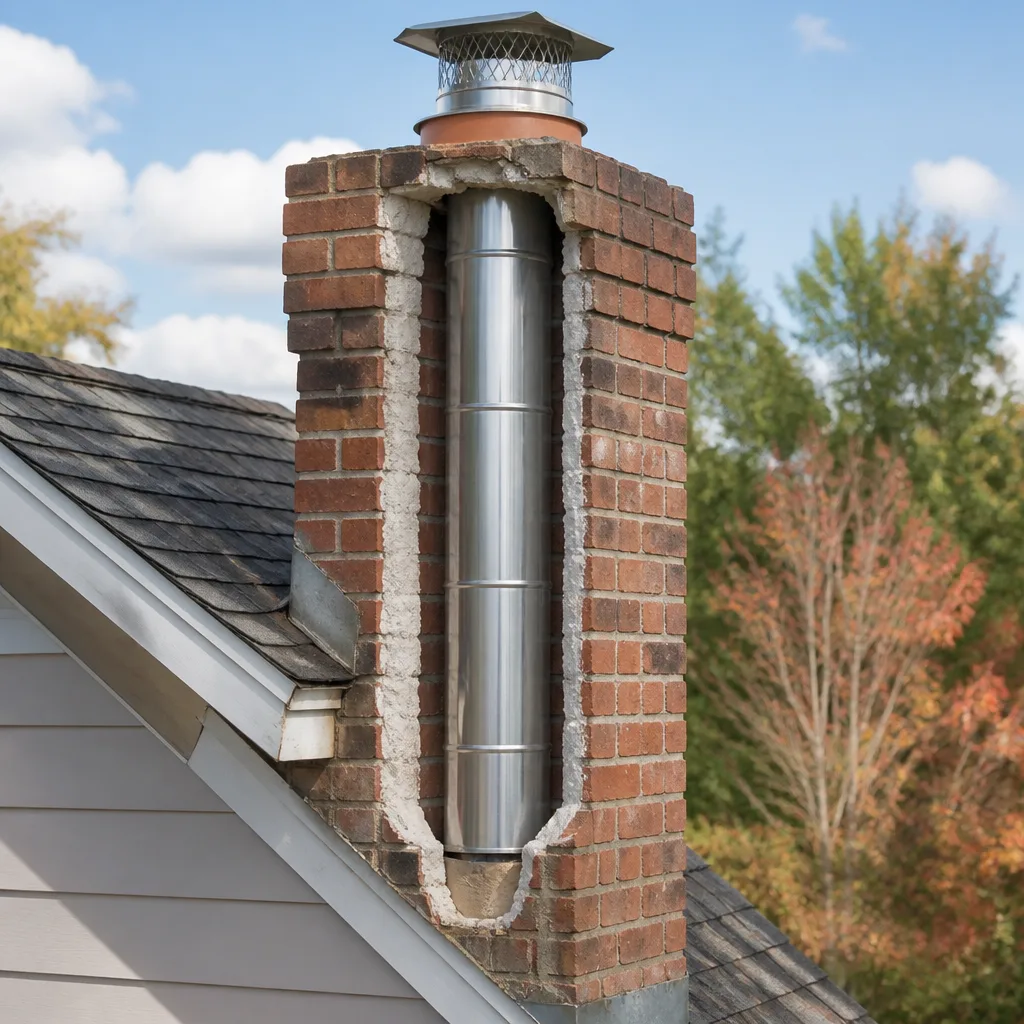
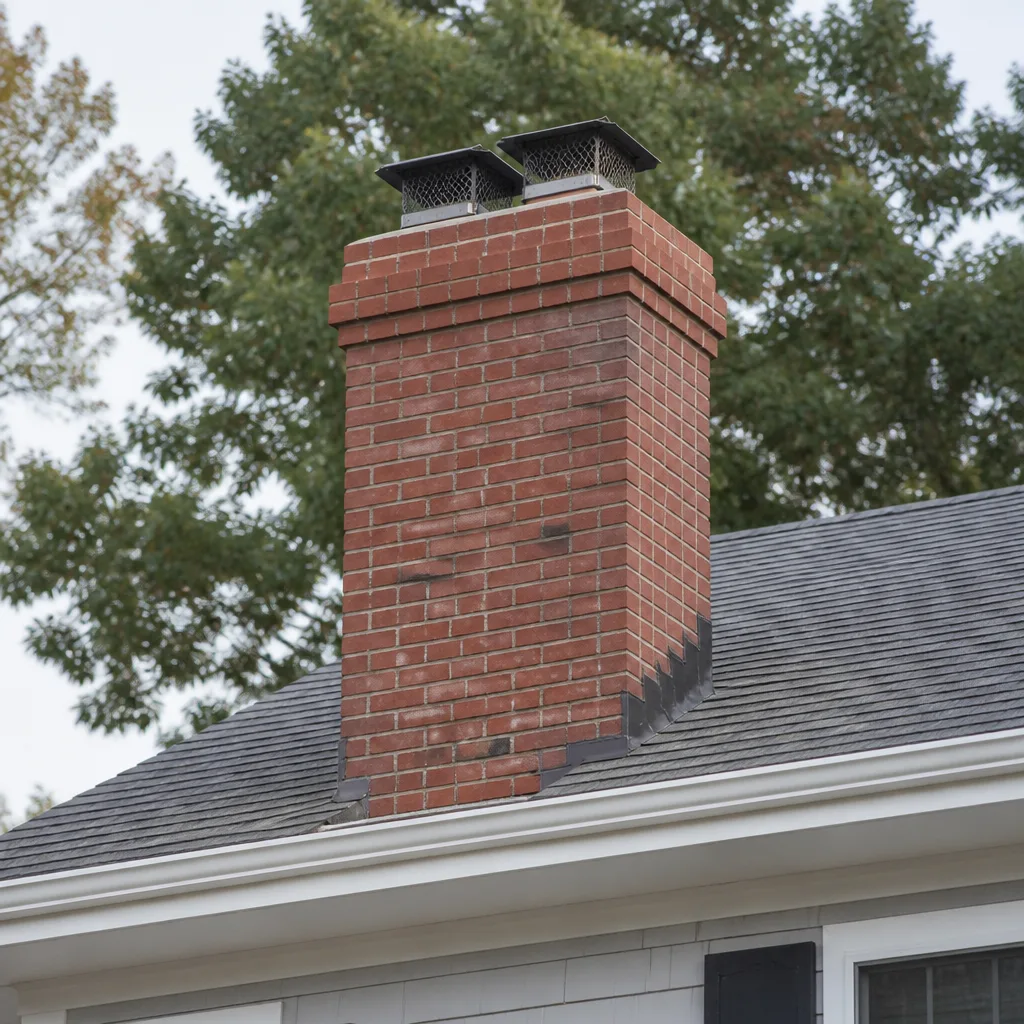
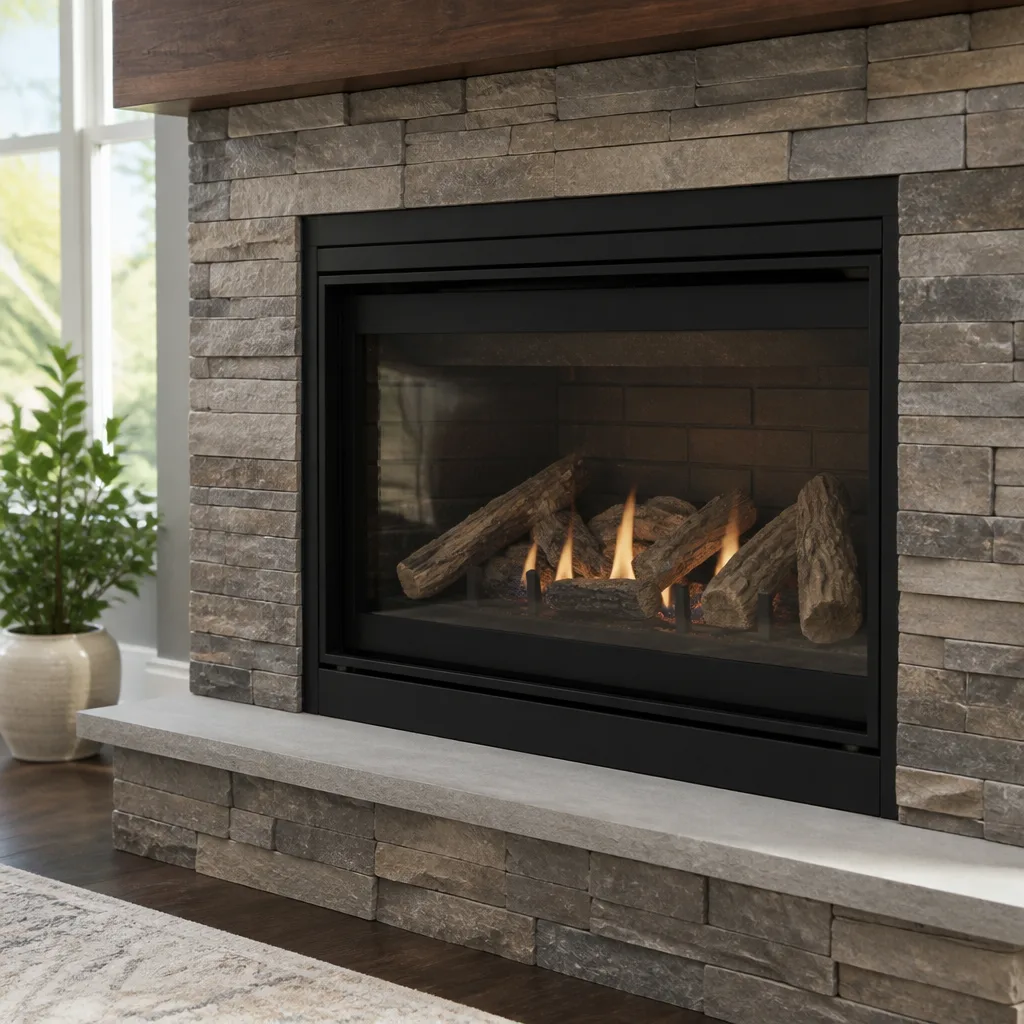
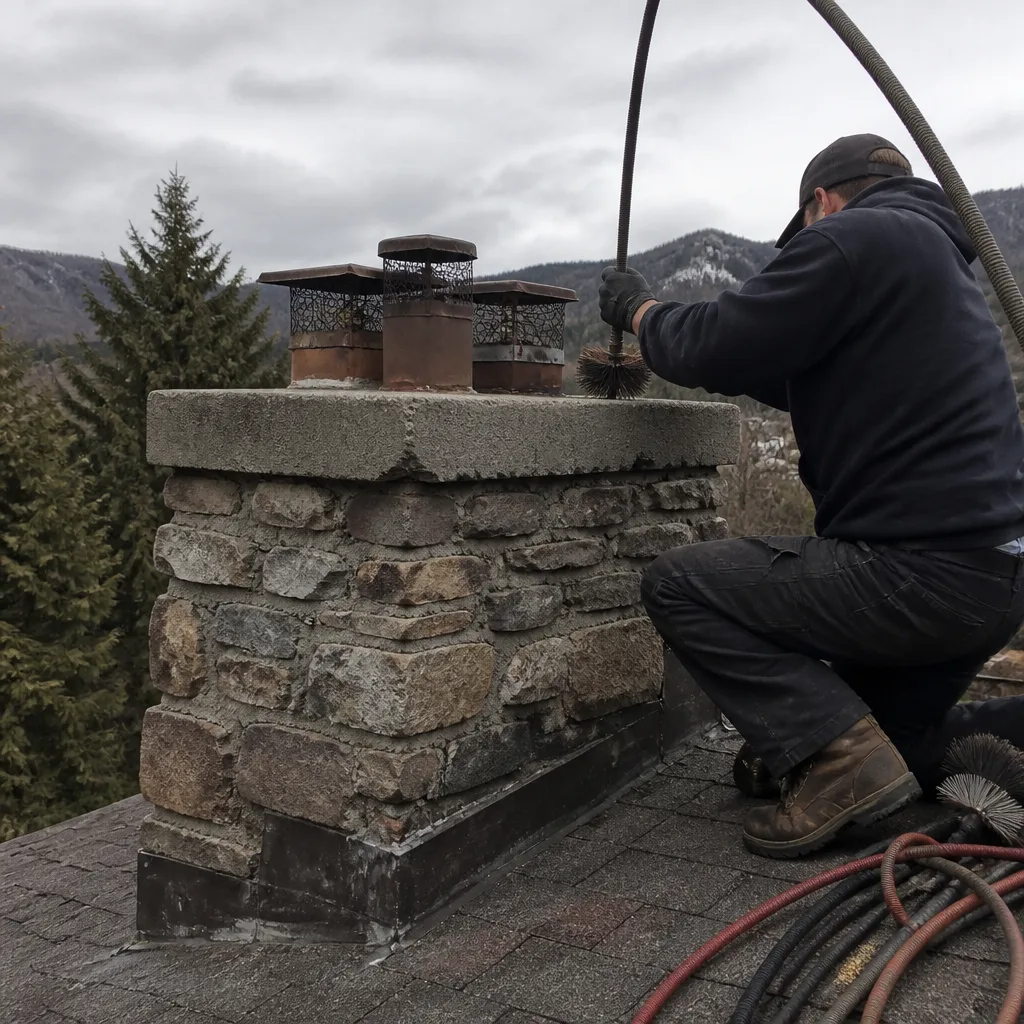 Before
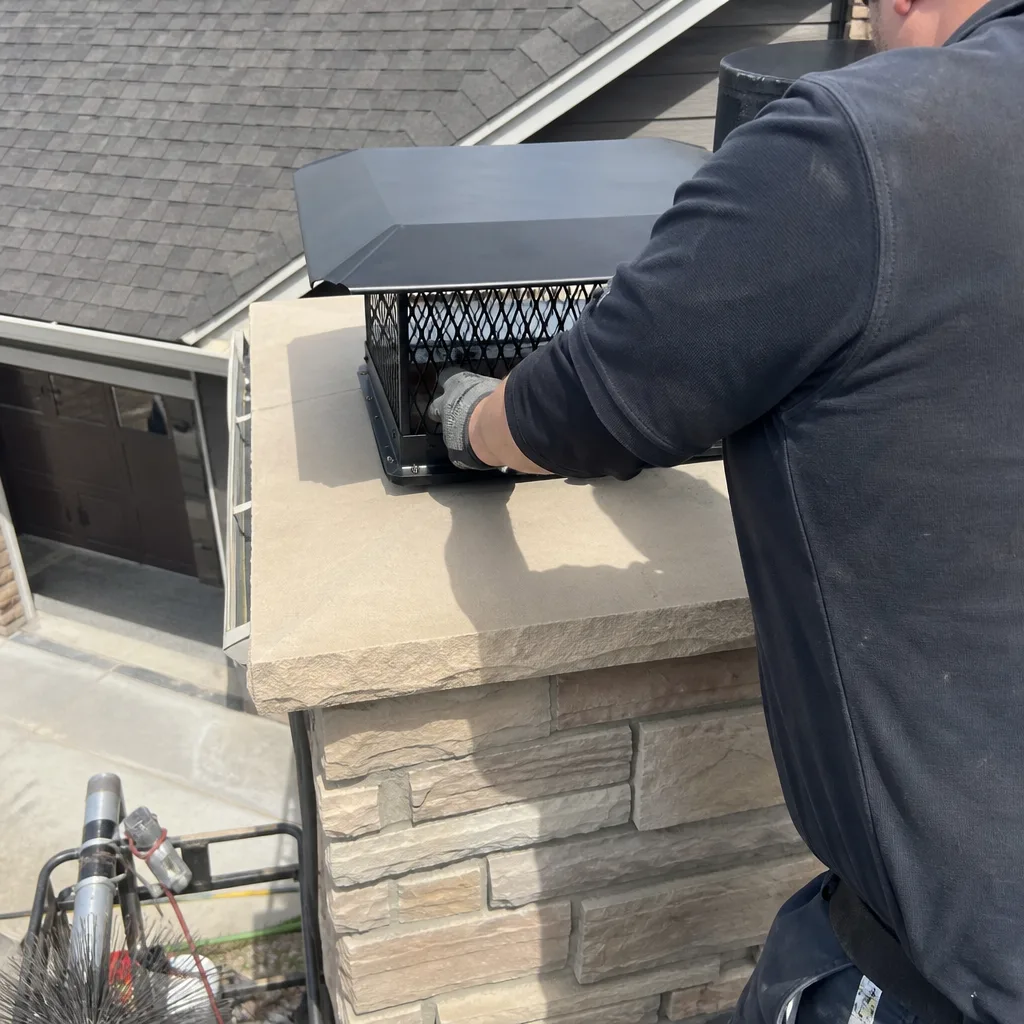 After
After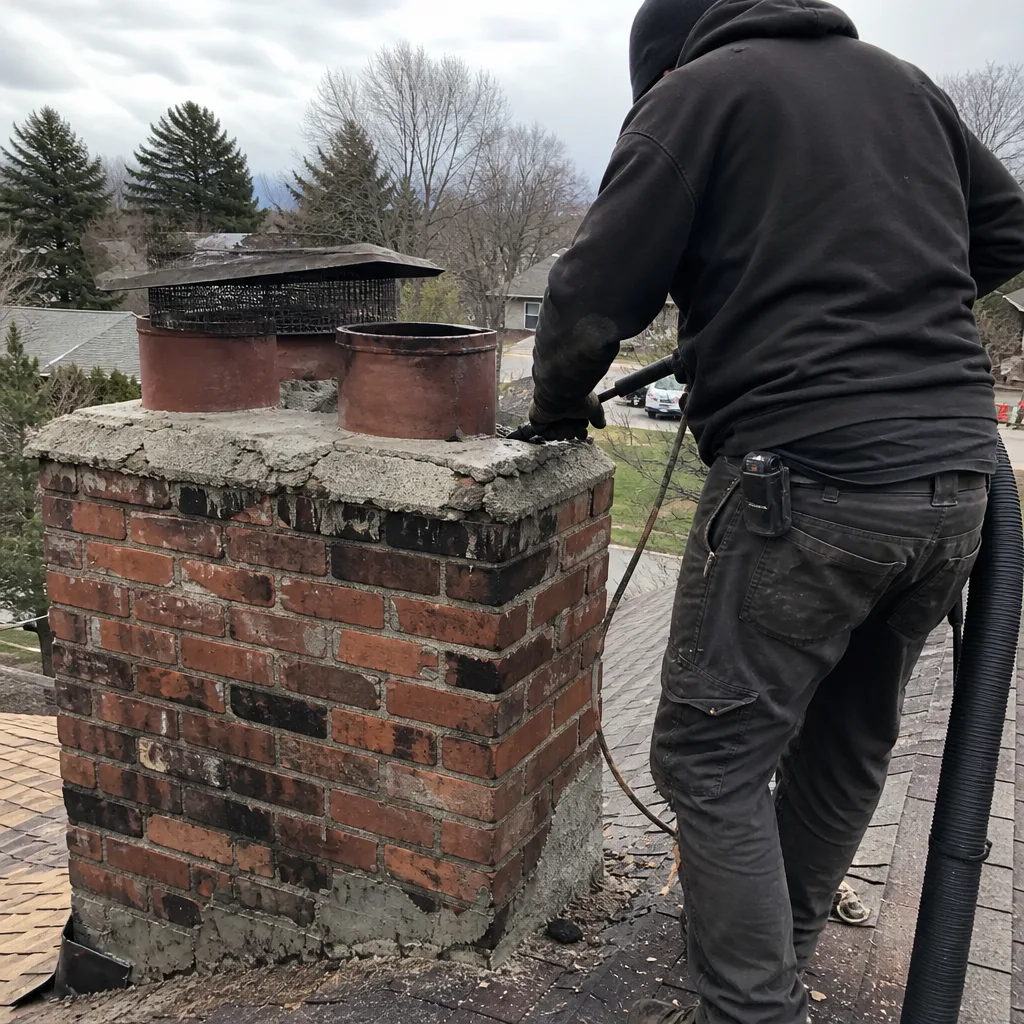 Before
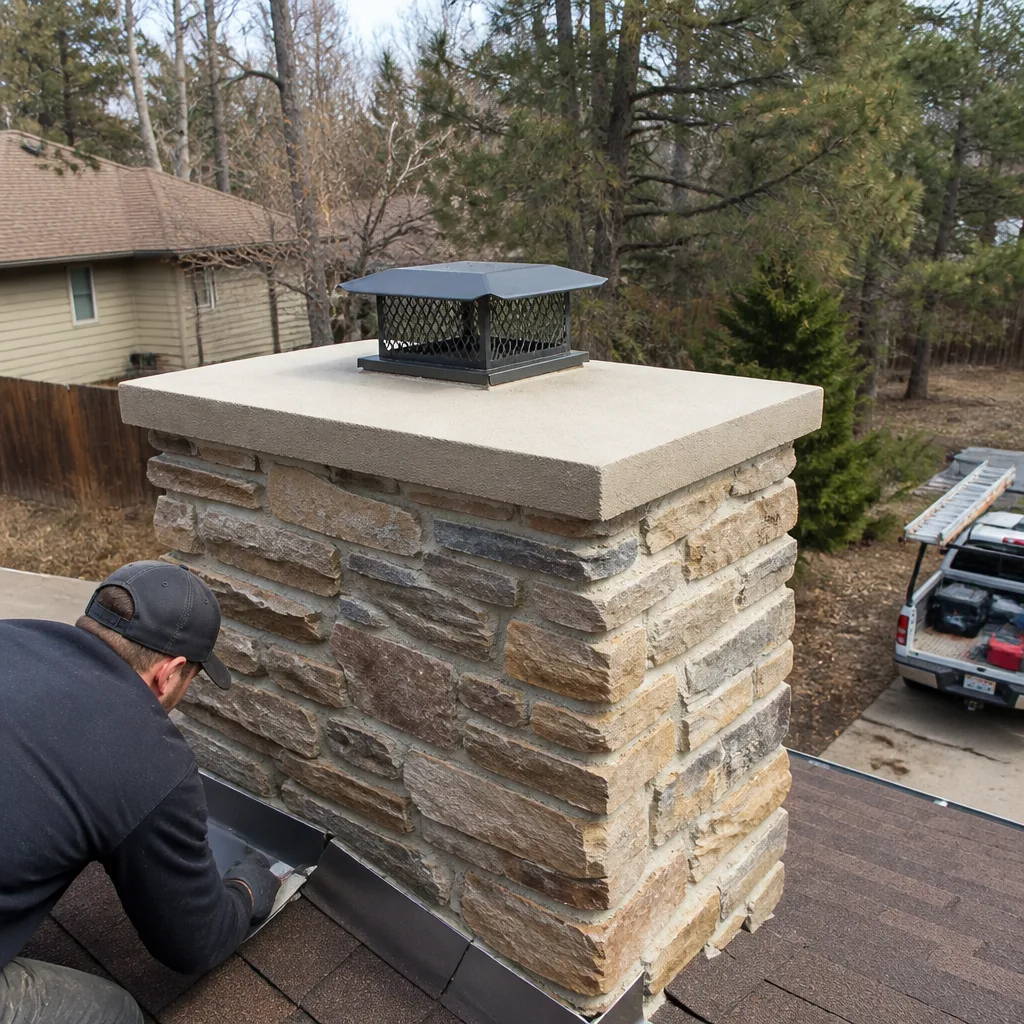 After
After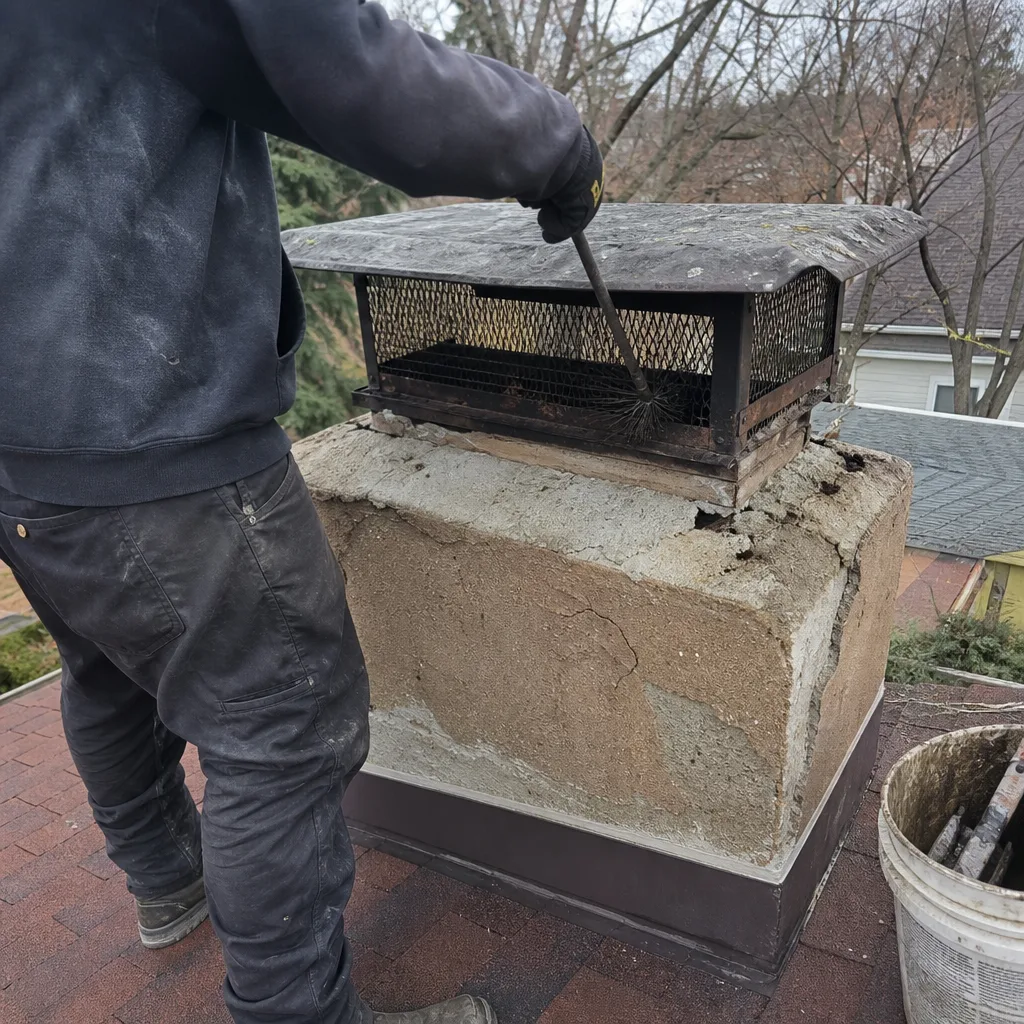 Before
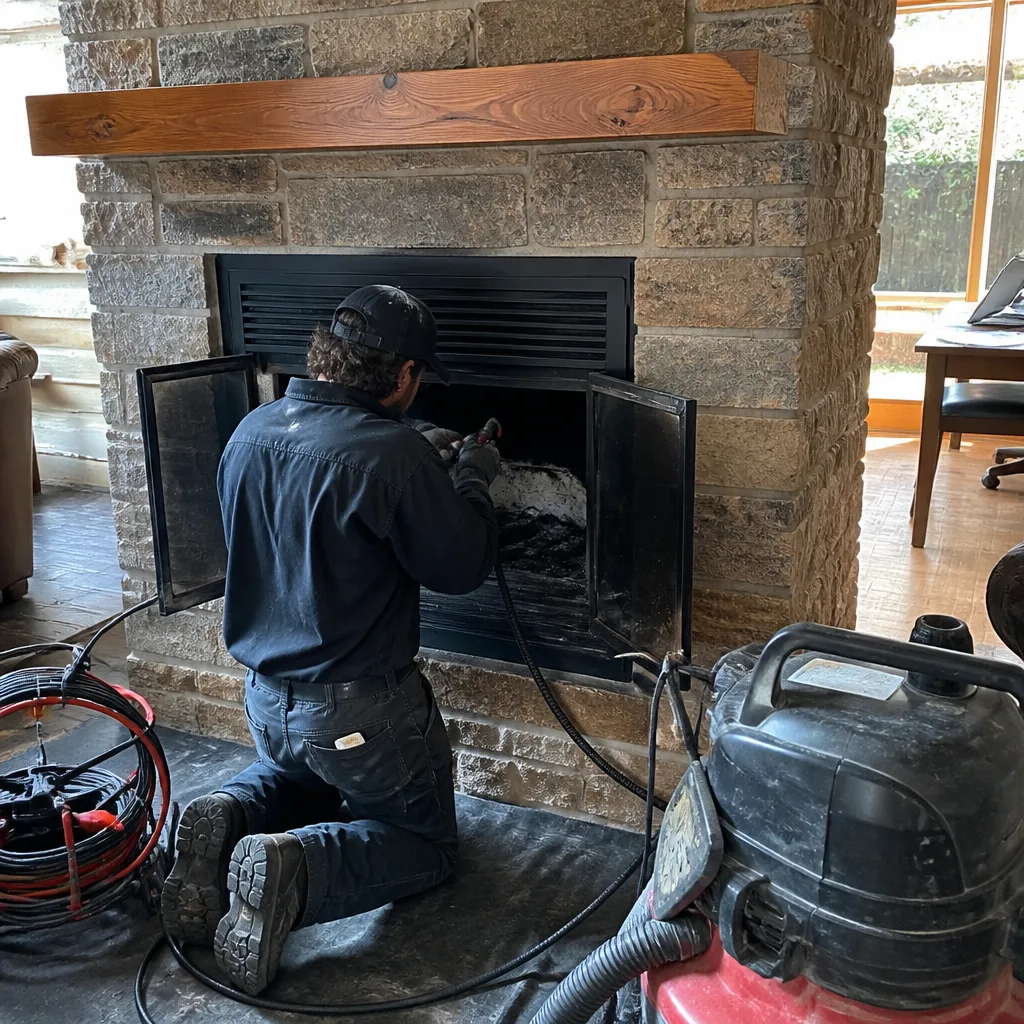 After
AfterSeasonal Chimney Cleaning Care for Boulder: Year-Round Homeowner’s Guide
September is the wrong time to schedule your first chimney appointment of the year in Boulder. Every sweep is booked solid, and you’re burning in a flue that’s been hosting wildlife, accumulating debris, and sitting unchecked through two hail seasons since April. In our experience inspecting more than 38,000 chimneys since 2009, the homeowners who avoid emergency repairs and mid-winter shutdowns are the ones who stopped treating chimney care as a once-a-year task. This guide maps Boulder’s actual three service windows, what each window is for, and how to time your appointments so you’re never left waiting when you need heat. For more guides & resources on chimney care, visit our blog.
Quick Answer
Boulder’s chimney calendar has three distinct service windows, not two: spring (April-May) for post-season documentation and debris assessment, summer (June-August) for cap, crown, and masonry repairs, and late July through mid-August for pre-season camera scans before the September booking rush. Homeowners who follow this cycle catch freeze-thaw damage early, avoid migratory bird nesting conflicts, and secure appointment slots before the first cold snap.
Table of Contents
- Boulder’s Three Chimney Service Windows (Not Two)
- Spring: Post-Season Documentation and What the Flue Reveals
- Summer: Cap, Crown, and Masonry Repair Season
- Late Summer: The Correct Pre-Season Camera Scan Window
- Nesting Season in Boulder: Species, Timing, and Federal Restrictions
- How Boulder’s Elevation Accelerates Freeze-Thaw Damage
- What Homeowners Can Check from the Ground Between Visits
- Common Mistakes to Avoid
- When to Call a Professional
- Frequently Asked Questions
- The Bottom Line
BeforeAfterBoulder’s Three Chimney Service Windows (Not Two)
Most Boulder homeowners think in binary: burning season and off season. The reality is messier and more expensive if you ignore it. Boulder’s climate, elevation, and wildlife patterns create three distinct windows when different work should happen. Missing any of them means catching up later at higher cost or greater risk.
Window 1: Spring (April through mid-May)
The flue has just carried combustion byproducts for five to seven months. Creosote is fresh and hasn’t hardened into glazed deposits. Moisture from spring snowmelt and rain is beginning to interact with any existing cracks. This is when you document what the burning season did, not when you fix it. The spring appointment is a Level 2 inspection with camera scan: we run a camera down the flue, photograph the liner condition, measure creosote buildup, and record any new spalling, cracking, or water staining. You leave with dated documentation of the flue’s post-winter state. If an insurance claim or real estate transaction arises later, this record exists.
Window 2: Summer (mid-May through August)
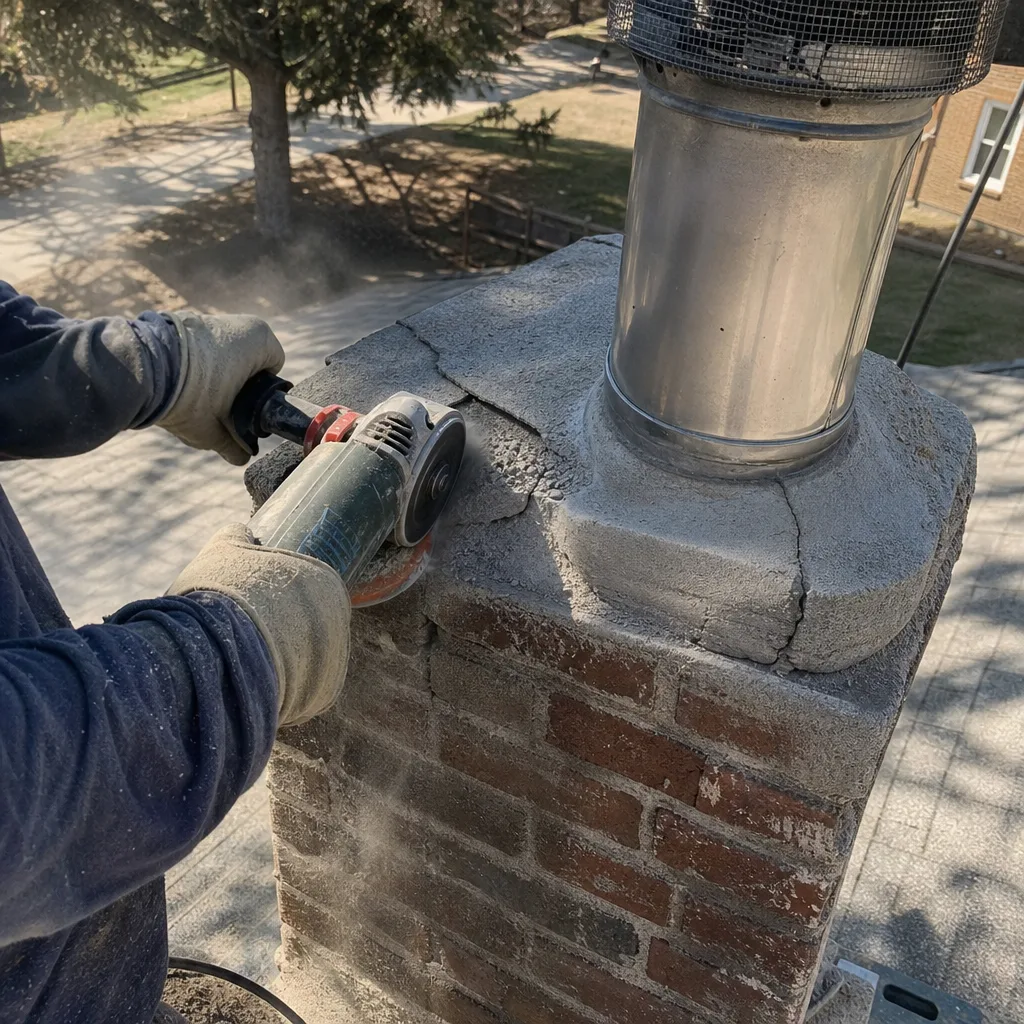
Once migratory birds have fledged (more on this below), summer is repair season. Masonry cures properly in warm, dry conditions. Crown repairs with HeatShield or similar refractory materials need cure time without freeze interruption. Cap replacements using Famco or Copperfield components install cleanly when crews aren’t fighting ice or snow. Summer is also when we address chimney repair in Boulder that was documented in spring but deferred until conditions allowed proper curing.
Window 3: Late Summer (late July through mid-August)
This is the pre-season camera scan and sweep, timed specifically to beat the September rush. By late July, Boulder’s monsoon pattern has typically passed, meaning the flue is dry and the cap and crown have been stress-tested by summer storms. We clean any accumulated debris, verify that summer repairs held, and confirm the system is ready to burn. Appointment availability is still reasonable. By Labor Day, it is not.
Spring: Post-Season Documentation and What the Flue Reveals
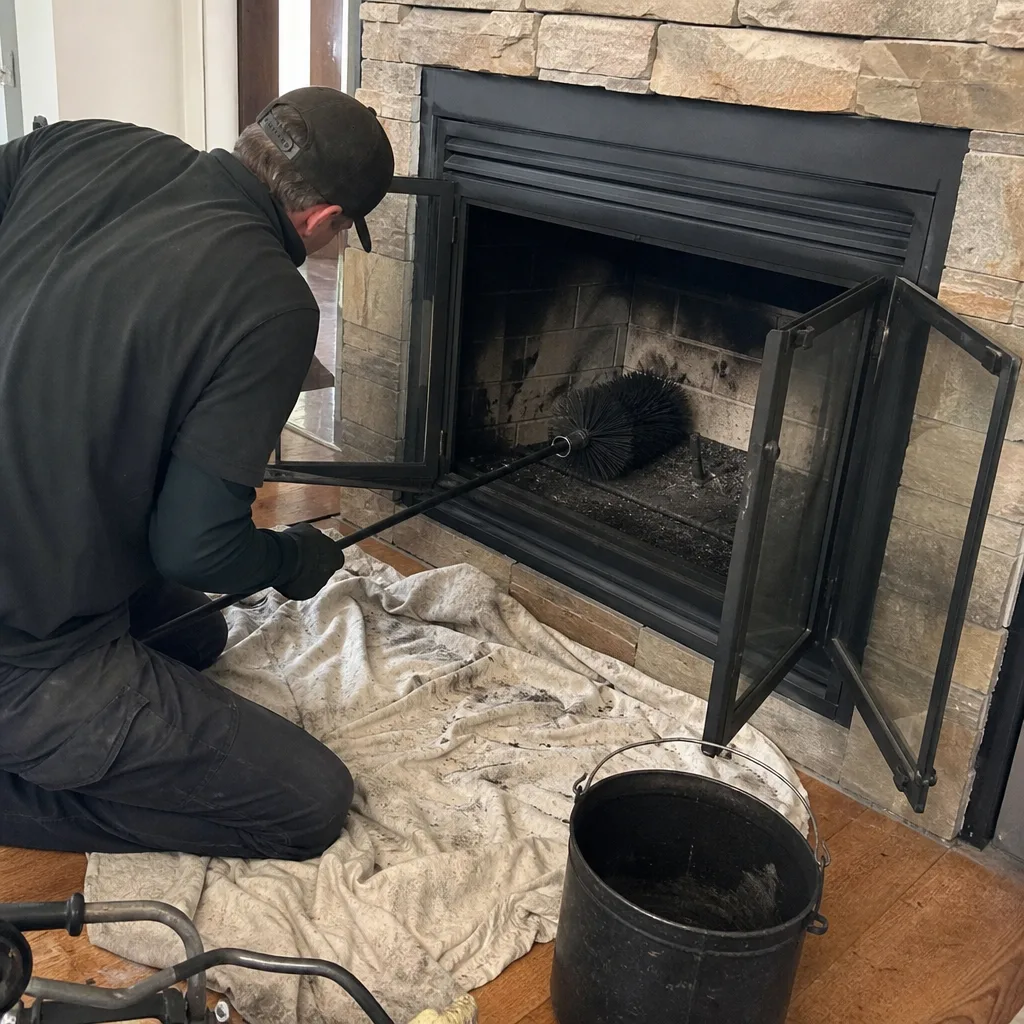
A spring inspection in Boulder reveals what happened during the burning season while the evidence is still fresh. We schedule these appointments from early April through mid-May, after the final heating cycle but before summer storms begin in earnest.
Here’s what we’re looking for and why the timing matters:
- Fresh creosote classification. Creosote forms in three classes: fluffy soot (Class I), crunchy flakes (Class II), and glazed tar (Class III). Class III requires rotary cleaning and is far easier to remove in spring before summer heat bakes it harder. In Boulder, where many homeowners burn pine and spruce from beetle-kill salvage, Class III deposits form faster than with hardwoods.
- Moisture intrusion paths. Spring snowmelt at 5,400 feet penetrates differently than rain at lower elevation. We document efflorescence (white mineral deposits), spalling brick faces, and deteriorated mortar joints while they’re active, not after they’ve dried and become harder to trace.
- Liner integrity after thermal cycling. A stainless DuraFlex liner or terracotta flue tile has just endured months of expansion and contraction. Hairline cracks that opened in January may have closed by April, but the camera finds the evidence: soot lines in the crack pattern, slight displacement, or rust staining on stainless that indicates condensation where it shouldn’t be.
- Smoke chamber and damper condition. The smoke chamber (the area above the firebox that funnels smoke into the flue) is often the most neglected component. Spring inspection catches corbelled brick deterioration or parged surface failure before it worsens through another season.
The deliverable from a spring appointment is documentation: dated photos, camera footage, a written condition report, and a written scope and price for any recommended repairs. Clause 4 of the Haven Standard requires this photo record on every job. We don’t start work until you have the written price in hand.
Summer: Cap, Crown, and Masonry Repair Season
Summer in Boulder is short and unpredictable, but it’s the only reliable window for masonry and crown work that requires proper curing. A crown repaired in September may face freeze conditions before the material reaches full strength. Crown work in July or August has six to ten weeks of above-freezing nights.
Crown repairs and rebuilds
The crown is the concrete or mortar cap that seals the top of the chimney, shedding water away from the flue and masonry. In Boulder, crowns take abuse from UV at high altitude, thermal shock from 40-degree temperature swings in a single day, and impact from hail. We see more crown failure in Boulder than in Longmont or Louisville at lower elevation, largely due to this combination.
Minor crown cracks are addressed with refractory sealants like HeatShield, which flex with thermal movement. More significant deterioration requires a poured or pre-formed crown replacement. Materials are sourced through our Haven buying network to keep pricing honest, and every crown job carries the 365-Day Done Right Promise.
Cap replacement and sizing
A chimney cap with proper mesh screening keeps wildlife, debris, and large embers out of the flue. In Boulder, cap sizing must account for wind patterns at the foothills; an undersized cap or one with inadequate mesh can lift in sustained 50+ mph winds common from October through March. We install Famco and Copperfield caps with proper overhang and wind-resistant design, not generic box-store units.
Masonry repointing and rebuild
Spalled brick and deteriorated mortar joints are addressed in summer when mortar cures predictably. Boulder County’s freeze-thaw cycles (detailed below) accelerate joint failure, and repointing in warm weather allows proper bond strength before winter stress returns.
Summer is also when we handle fireplace services in Boulder that require extended downtime: firebox refractory panel replacement, damper mechanism rebuilds, and gas log set conversions.
Late Summer: The Correct Pre-Season Camera Scan Window
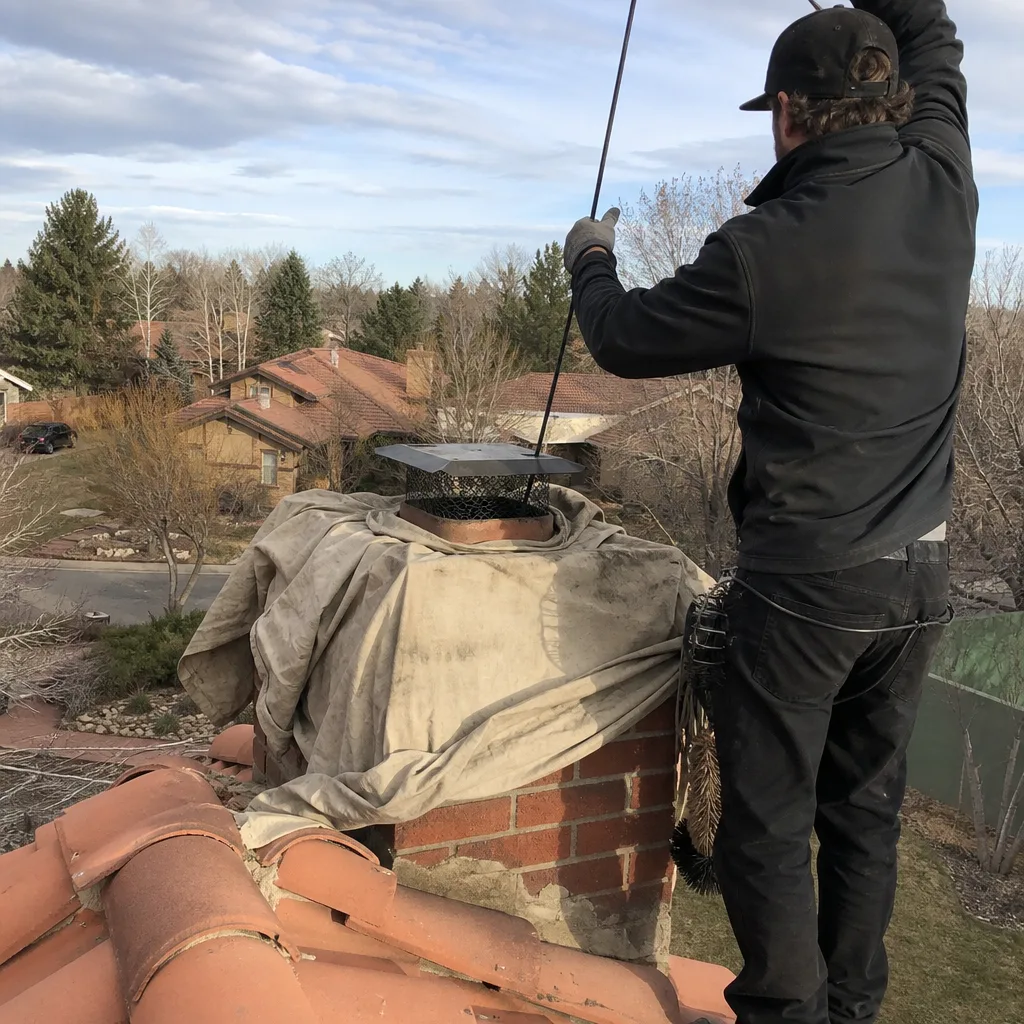
Here’s the practical reality of Boulder’s chimney sweep market: by September 15, most reputable companies are booking two to four weeks out. The first cold snap, typically in late September or early October, triggers a wave of calls from homeowners who haven’t burned since March and suddenly remember their fireplace exists.
Late July through mid-August is the correct pre-season window for three reasons specific to Boulder:
- Monsoon moisture has passed. Boulder’s summer monsoon pattern peaks in late July. By early August, the flue has typically dried from any water intrusion, meaning we inspect and clean a system in its stable state, not one still processing recent moisture.
- Wildlife has fledged and departed. Nesting season ends by mid-July for most species. The flue is clear of active nests, and we can legally install caps or screens without federal permit complications.
- Repair cure time exists before first freeze. If the late-summer scan reveals a problem requiring repair, summer conditions still allow proper material curing. Schedule the same scan in late September, and you may face a choice between delaying repair until spring or accepting suboptimal cure conditions.
The late-summer appointment is a full Level 2 inspection with camera scan and sweep. We remove any debris accumulation, classify remaining creosote, verify cap and crown integrity after summer storms, and confirm clearances to combustibles. You receive the same documented photo record, written condition report, and written price for any additional work. If the system is clean and sound, you know it. If it isn’t, you have time and options.
Our chimney cleaning and sweep in Boulder appointments in this window typically run $240-$340 for a standard single-flue system, with multi-flue or insert configurations priced specifically after inspection. The estimate is free if you choose not to proceed.
Nesting Season in Boulder: Species, Timing, and Federal Restrictions
Boulder chimneys host a predictable cast of wildlife, and removing them at the wrong time is not just inadvisable, it’s illegal.
Common species and timing
- Chimney Swifts. These small, cigar-shaped birds are federally protected under the Migratory Bird Treaty Act. They arrive in Boulder in late April, nest in chimneys through July, and depart for South America by early September. Disturbing an active nest, eggs, or young birds carries federal penalties. We cannot legally remove active swift nests. The only legal window for cap installation or flue cleaning is before arrival (March-early April) or after departure (September).
- House Sparrows and European Starlings. Non-native species not protected by federal law, though Boulder County may have local ordinances. They nest earlier, often March through June, and can be removed outside active nesting periods without permit.
- Squirrels and raccoons. No federal protection, but removal requires wildlife handling expertise. Raccoons in particular can be aggressive when cornered with young. We coordinate with licensed wildlife handlers when necessary.
- Bats. Colorado Parks and Wildlife protects bat colonies, particularly during maternity season (May through August). Exclusion work requires timing outside this window and often specific permits.
The practical implication: if you hear scratching, chirping, or fluttering from your chimney between April and July, do not light a fire to “smoke them out.” This is ineffective, inhumane, and potentially illegal. Call for assessment. If the species is protected, we document the situation and schedule legal intervention at the appropriate time. If it’s unprotected and safely removable, we handle it. Either way, cap installation after resolution prevents recurrence.
In neighborhoods near Boulder’s open space, particularly Table Mesa, Martin Acres, and areas backing to foothills trails, wildlife intrusion is more frequent. We’ve found active nests in chimneys within a week of cap removal for other work.
How Boulder’s Elevation Accelerates Freeze-Thaw Damage
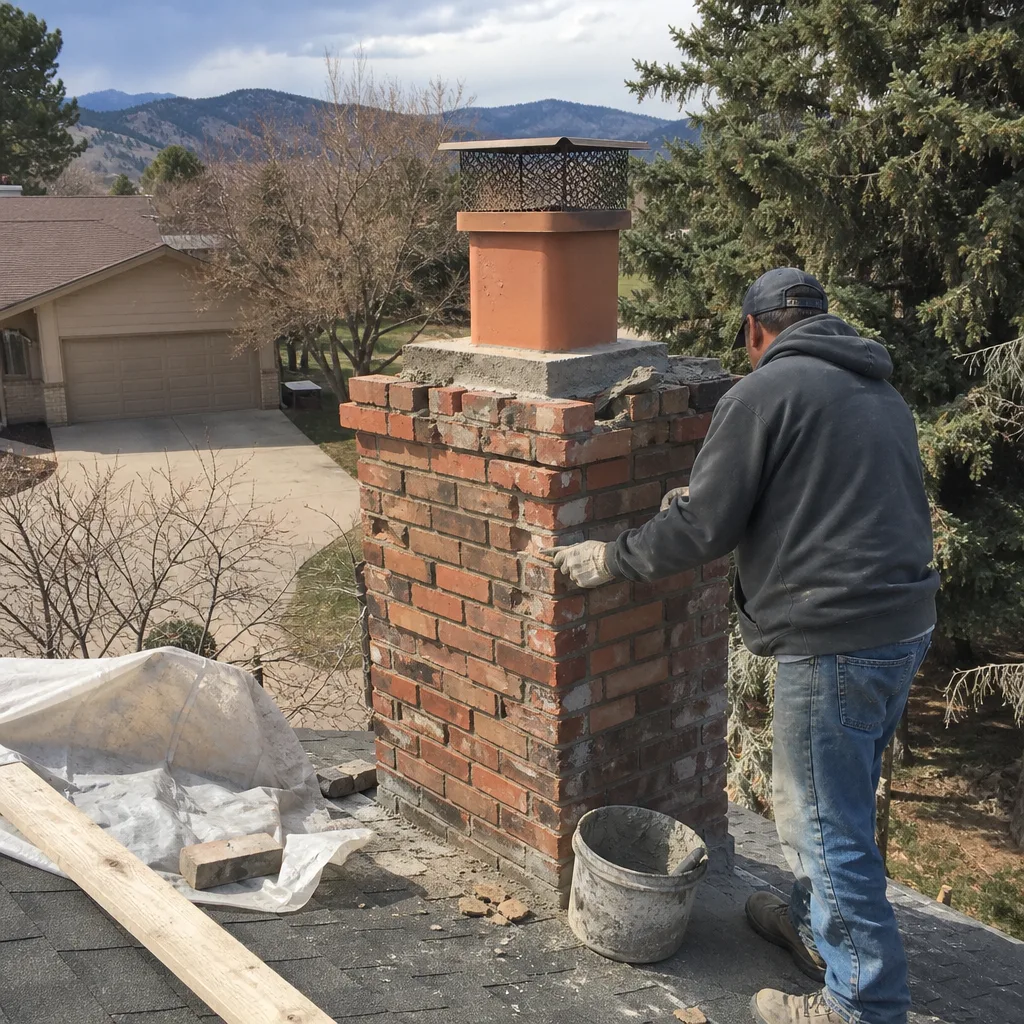
Boulder sits at 5,400 feet, with many homes in the foothills above 6,000 feet. This elevation creates freeze-thaw conditions more severe than Front Range communities at lower elevation like Thornton or Aurora, and the difference matters for chimney longevity.
The mechanism
Water enters masonry through cap cracks, deteriorated mortar joints, or porous brick faces. When temperatures drop below freezing, water expands by approximately 9% volume. This expansion forces cracks wider. The next thaw allows more water to penetrate deeper. Each cycle enlarges the damage. At Boulder’s elevation, nighttime temperatures drop below freezing earlier in fall and later in spring than at lower elevations, extending the freeze-thaw season by four to six weeks annually.
What we see differently in Boulder
In lower-elevation communities, crown cracks from freeze-thaw typically appear after five to seven years. In Boulder and the foothills, we document significant crown deterioration in three to five years on unprotected chimneys. Spalling brick faces, where the outer layer flakes off due to internal water expansion, is more prevalent in north-facing exposures above 5,800 feet where snow lingers.
Mortar joint deterioration
Standard Type N mortar is rated for above-grade exterior use but struggles with Boulder’s thermal amplitude. Temperature swings of 35-50 degrees in a single day are common October through April. This rapid cycling stresses the mortar-to-brick bond. We specify Type S mortar or proprietary refractory formulations for repointing in these conditions, materials sourced through our Haven buying network from suppliers like Olympia Chimney and Copperfield.
Prevention timing
The spring inspection documents freeze-thaw damage while it’s active. The summer repair window allows proper curing of materials selected for this specific stress. The late-summer scan confirms the repair before winter stress returns. This three-window cycle is how you stay ahead of the damage curve that Boulder’s elevation creates.
What Homeowners Can Check from the Ground Between Visits
Between professional inspections, there are specific exterior observations-detailed in our Chimney Cleaning & Sweep Maintenance Checklist for Boulder Homeowners-that signal when to call before your next scheduled appointment. These checks take five minutes and require no ladder or tools.
- Cap condition from the ground. Using binoculars or a zoomed phone photo, check whether the cap sits level and centered on the flue. A tilted cap may indicate wind damage or a deteriorated flue tile beneath it. Missing mesh sides or a detached cap are immediate calls; an uncapped flue is an open invitation to wildlife and water.
- Crown cracking visible from below. Hairline surface cracks in the crown are normal aging. Cracks wider than a nickel, cracks that run to the edge, or pieces missing from the crown perimeter indicate water intrusion path formation. Photograph what you see for reference.
- Efflorescence on the chimney face. White, chalky deposits on brick or stone indicate water moving through the masonry and depositing minerals as it evaporates. New efflorescence means an active water path. Persistent efflorescence in the same location means a chronic problem requiring cap, crown, or flashing repair.
- Spalled brick faces. Look for brick surfaces that have flaked, popped, or lost their outer layer. This is freeze-thaw damage in progress. One or two spalled bricks in an isolated area may be manageable until your next scheduled visit. Multiple spalled bricks, especially on the top third of the chimney, suggest crown failure allowing water penetration.
- Damper operation and smoke behavior. From inside, open the damper fully and observe whether it seats cleanly or hangs crooked. Light a small fire or even a smoke match: smoke should draw immediately up the flue. Smoke rolling into the room indicates damper malfunction, flue blockage, or negative pressure issues requiring professional assessment.
- Attic or wall staining near the chimney chase. Water stains on drywall or ceiling near the chimney path indicate flashing failure or chase cover deterioration, often invisible from outside. These stains grow slowly until they don’t; sudden expansion means the leak has found a new path.
Document what you observe with dated photos. If any of these conditions change between your scheduled professional visits, call for assessment. Early intervention on a $200 flashing repair prevents the $3,000+ rebuild that follows years of unaddressed water intrusion.
Common Mistakes to Avoid
- Booking your annual sweep in September. By September 15 in Boulder, quality sweeps are booked weeks out. You’re burning in an uninspected system or paying premium rates for emergency scheduling. The correct pre-season window is late July through mid-August.
- Assuming no burn means no maintenance. Even unused chimneys accumulate debris, deteriorate from weather exposure, and host wildlife. A chimney that hasn’t burned in two years still needs inspection, and the first burn after long disuse is often the most dangerous due to accumulated debris or animal nesting.
- Installing a cap during nesting season without inspection. Capping an active chimney swift nest is a federal violation. We inspect for evidence of current or recent nesting before any cap installation, and we time the work legally.
- Ignoring efflorescence as “just cosmetic.” That white deposit is water moving through your masonry, carrying dissolved salts. It’s a symptom of an active water path that will eventually destroy mortar joints, spall brick, and compromise structural integrity.
- Accepting a sweep without camera documentation. A flashlight look from the top or bottom tells you almost nothing about liner condition mid-flue. NFPA 211 Level 2 requires camera inspection for good reason. Any sweep that doesn’t offer documented camera footage is selling you an incomplete service.
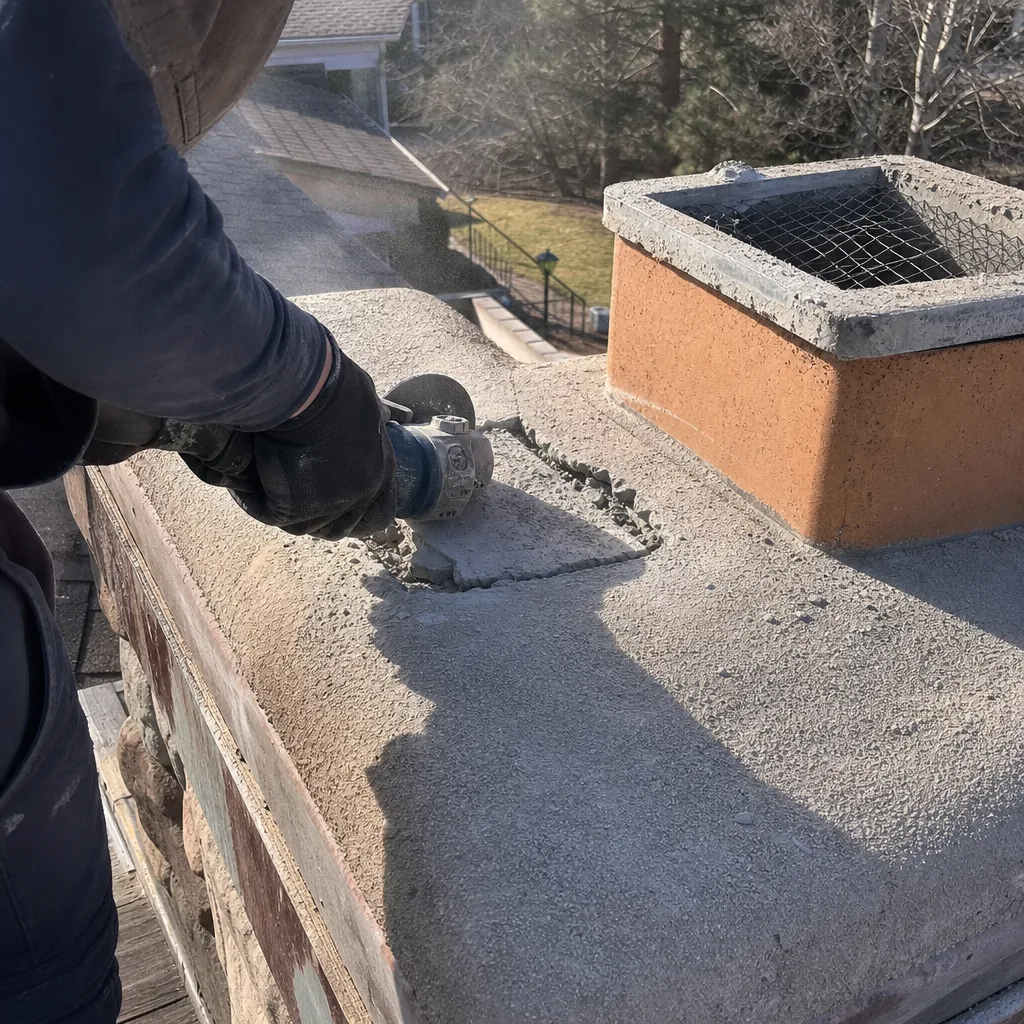
- Delaying crown repair until “next year.” Crown cracks widen through freeze-thaw cycles. One season of delay in Boulder often means the difference between a $400 sealant repair and a $2,500 crown rebuild with underlying masonry damage.
- Using the chimney as a vent path for other appliances without inspection. In older Boulder homes, particularly in Mapleton Hill and Chautauqua neighborhoods, chimneys sometimes serve multiple functions. A flue sized for a fireplace may be dangerously inadequate for a newly installed furnace or water heater vent. Never assume compatibility without professional assessment.
When to Call a Professional
Call for immediate assessment if you observe smoke entering the room during operation, detect a persistent tar or creosote odor when the fireplace is not in use, hear animal activity in the flue, or notice new water staining on walls or ceilings near the chimney. These conditions indicate active hazards: flue blockage, liner breach, wildlife intrusion, or water path failure.
Schedule proactive inspection if your last professional evaluation was more than 12 months ago, if you’ve purchased a home with unknown chimney history, or if you’re changing fuel types (wood to gas, or adding a wood insert to an open fireplace). Each of these transitions requires verification of flue sizing, liner compatibility, and clearance to combustibles.
Emberly Chimney Cleaners Boulder offers free estimates in Boulder. Call (970) 598-0453 to schedule a Level 2 inspection with camera scan, or bring us any competitor’s written estimate for a free second opinion.
Frequently Asked Questions
A standard Level 2 chimney sweep and inspection with camera scan in Boulder typically runs $240-$340 for a single-flue system; see our Chimney Cleaning Cost Breakdown: The Boulder Homeowner’s Reference for 2026 for detailed pricing factors. Multi-flue chimneys, fireplace inserts, and systems requiring Class III creosote removal or rotary cleaning are priced specifically after initial inspection. We deliver a written price before any work begins, with no obligation. Call (970) 598-0453 for an exact quote - estimates are free.
NFPA 211 recommends annual inspection for all chimneys, and cleaning when creosote buildup exceeds 1/8 inch. In Boulder, where many homeowners burn softwood from beetle-kill salvage and experience extended heating seasons at elevation, we often find systems need cleaning every burning season rather than every other year. The only way to know your specific interval is camera inspection that measures actual accumulation.
You need a new liner if the existing one is cracked, perforated, improperly sized for your appliance, or missing entirely. We don’t recommend liner replacement without camera evidence you can see for yourself. A damaged terracotta flue tile or corroded stainless liner allows heat and combustion gases to reach combustible framing, creating fire and carbon monoxide hazards. If an inspection shows sound liner condition, we say so plainly. When replacement is needed, we specify why, show you the damage, and price DuraFlex or other appropriate materials in writing before work starts.
Skipped maintenance leads to three predictable outcomes: creosote accumulation increases chimney fire risk, water intrusion degrades masonry and structural components, and undetected liner damage creates carbon monoxide exposure potential. In Boulder, the elevation-accelerated freeze-thaw cycle means water damage progresses faster than at lower elevations. Chimney fires are often slow-burning events that damage flue liners and adjacent framing without obvious external signs until structural failure occurs. Annual inspection catches these conditions before they become emergencies.
September demand exceeds supply because homeowners collectively remember their chimneys exist when temperatures drop. Reputable companies with documented inspection practices book weeks in advance. The homeowners who avoid this crunch schedule pre-season scans in late July and August, when appointment availability is normal and any needed repairs can still cure properly before cold weather. We recommend setting a recurring calendar reminder for August 1 to book your annual service.
Homeowners can perform basic firebox cleaning and ash removal. Flue cleaning requires proper brushes sized to your flue diameter, extension rods sufficient for chimney height, and personal protective equipment for creosote exposure. More critically, without camera inspection you cannot assess liner condition, measure creosote accumulation accurately, or identify hidden damage. For these reasons, we recommend professional service for the flue itself. The inspection component, not just the cleaning, is what prevents fires and carbon monoxide incidents. Call (970) 598-0453 to discuss what’s involved - estimates are free.
The Bottom Line
Boulder’s chimney calendar has three windows, not two, and each has a distinct purpose. Spring documents post-winter condition while evidence is fresh. Summer repairs masonry and crowns when materials cure properly. Late summer provides pre-season verification before the September booking rush. Homeowners who follow this cycle, who check their exterior between visits, and who insist on camera documentation rather than flashlight guesses, avoid the emergency repairs and mid-winter shutdowns that define reactive maintenance. The cost of scheduled care is predictable. The cost of deferred care is not.
Emberly Chimney Cleaners Boulder has operated under the Haven Standard since 2009, completing more than 38,000 inspections and cleanings with a written price before every job and a documented photo record on completion. Every appointment includes NFPA 211 Level 2 camera inspection, background-checked uniformed technicians, and the 365-Day Done Right Promise. Schedule your seasonal service or request a free second opinion on any written estimate by calling (970) 598-0453.
Written by Corrine Halstead, Owner at Emberly Chimney Cleaners Boulder, serving Boulder since 2009.