
Last updated September 22, 2026
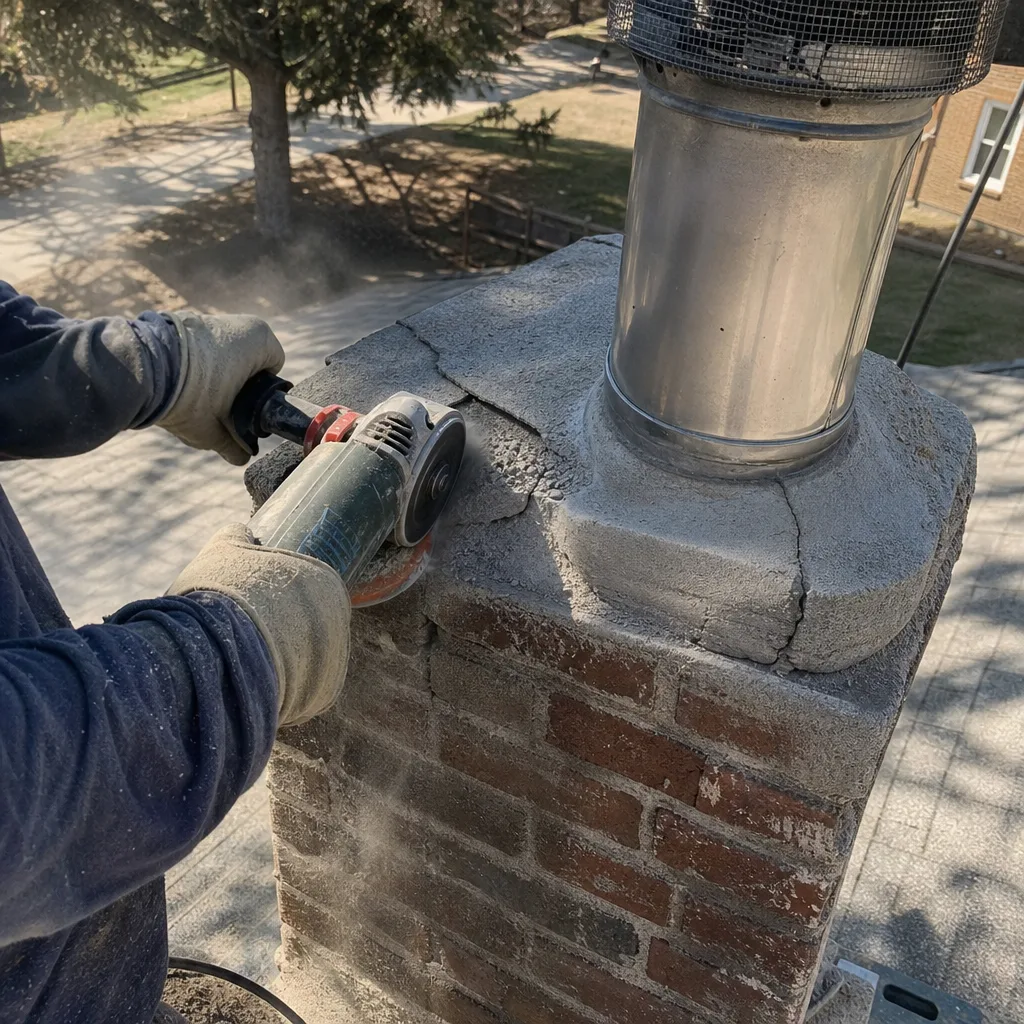
Level 1 sweep and inspection to the NFPA 211 annual standard - flue, crown, cap, and flashing checked and photographed
Chimney sweep logs do not sweep chimneys. They loosen some creosote - which then falls where a brush and vacuum still have to collect it.
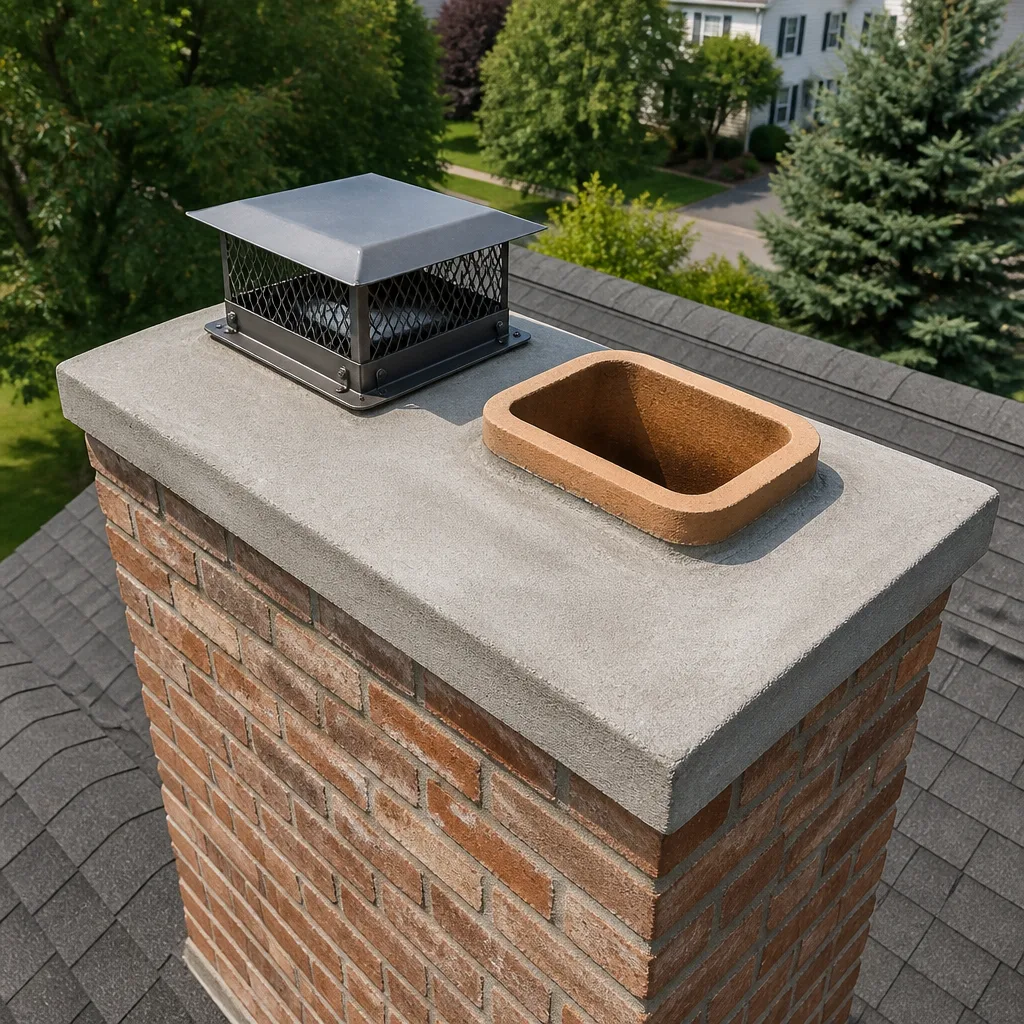
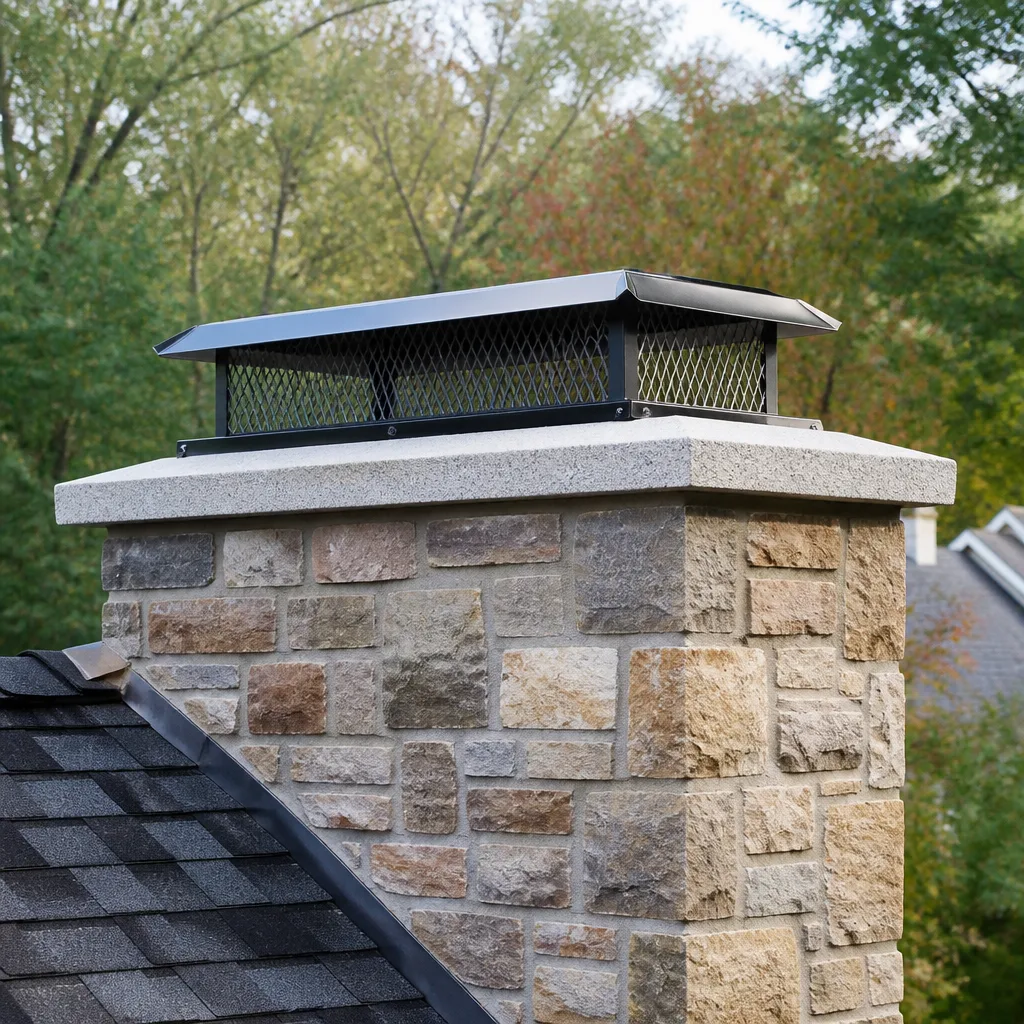
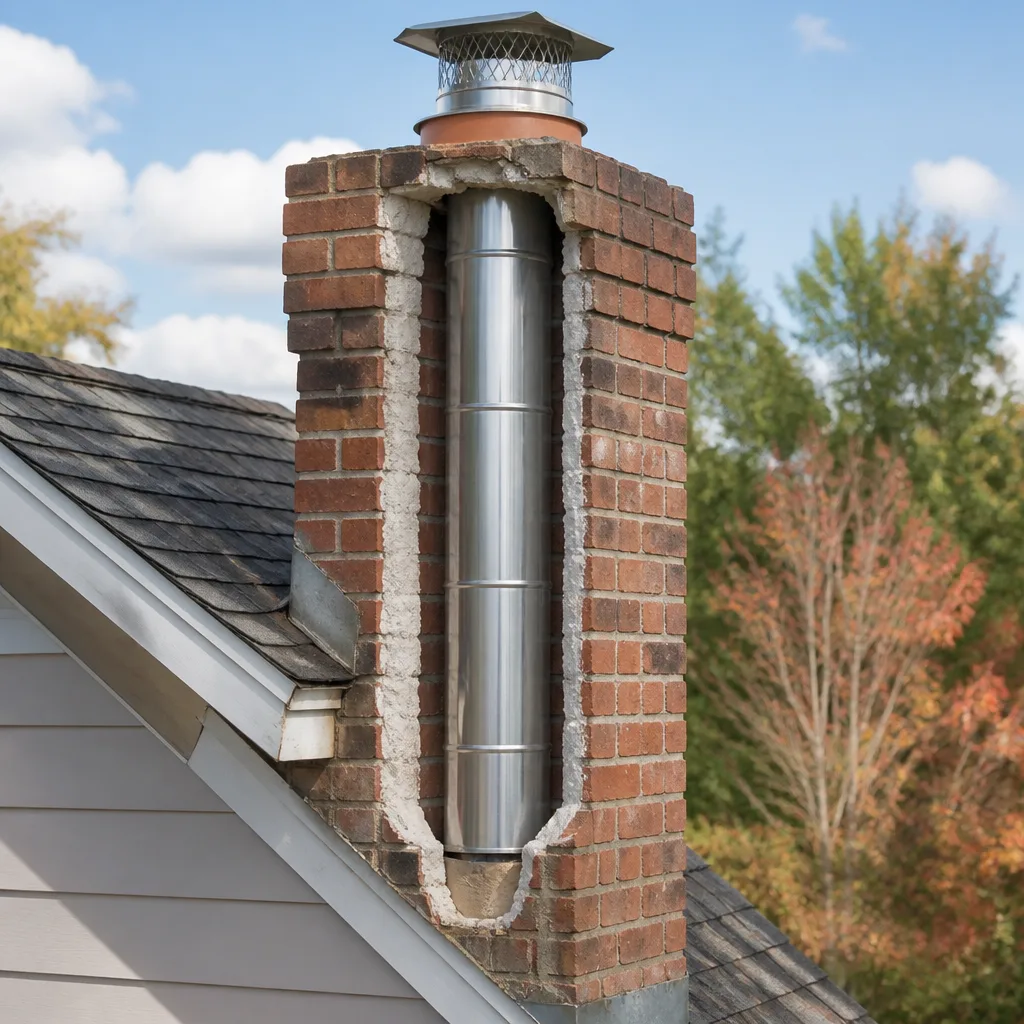
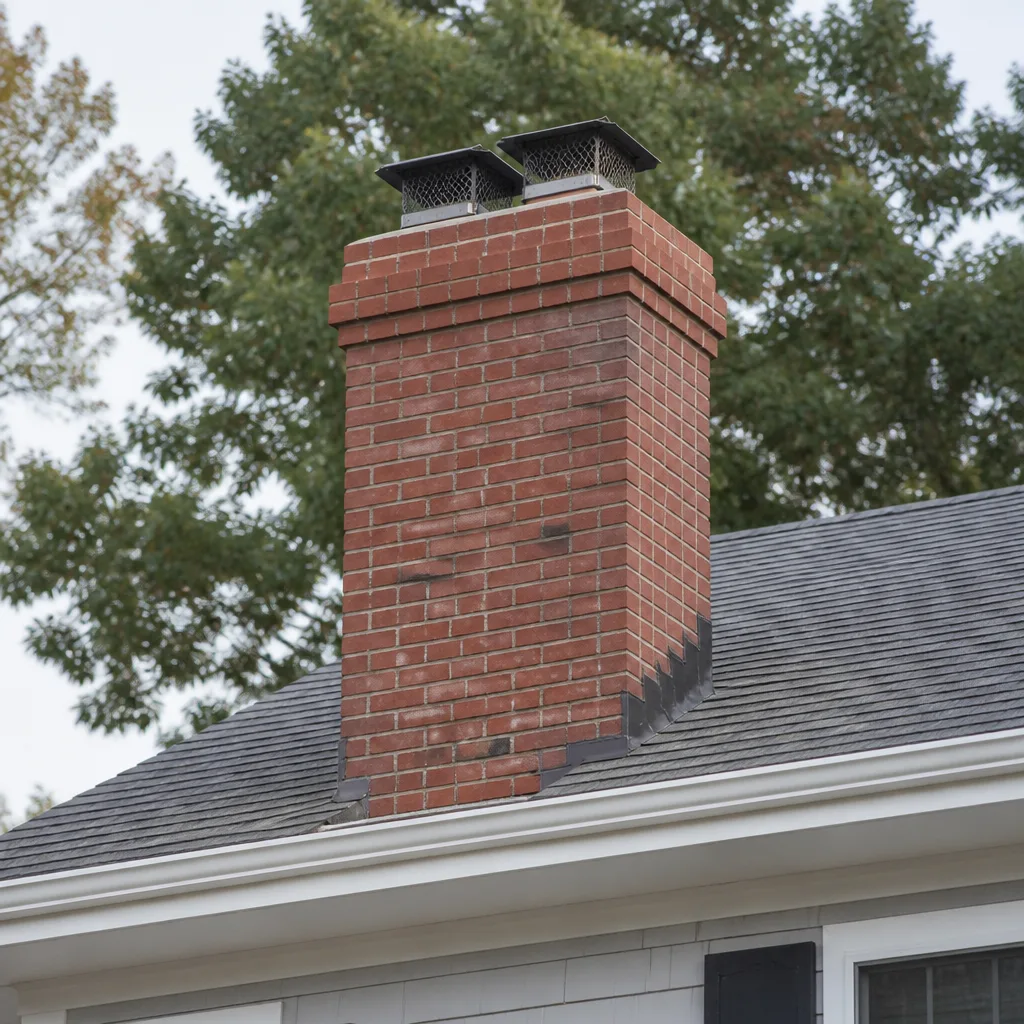
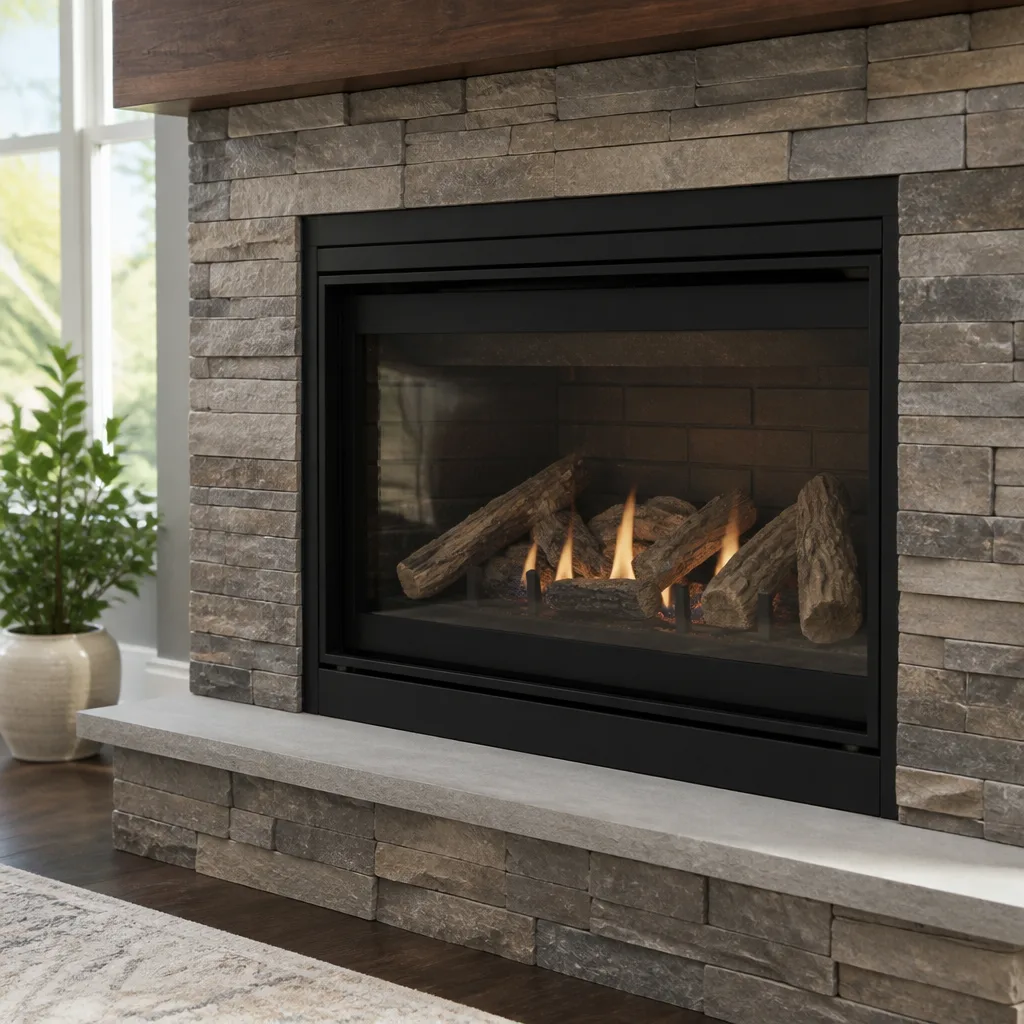
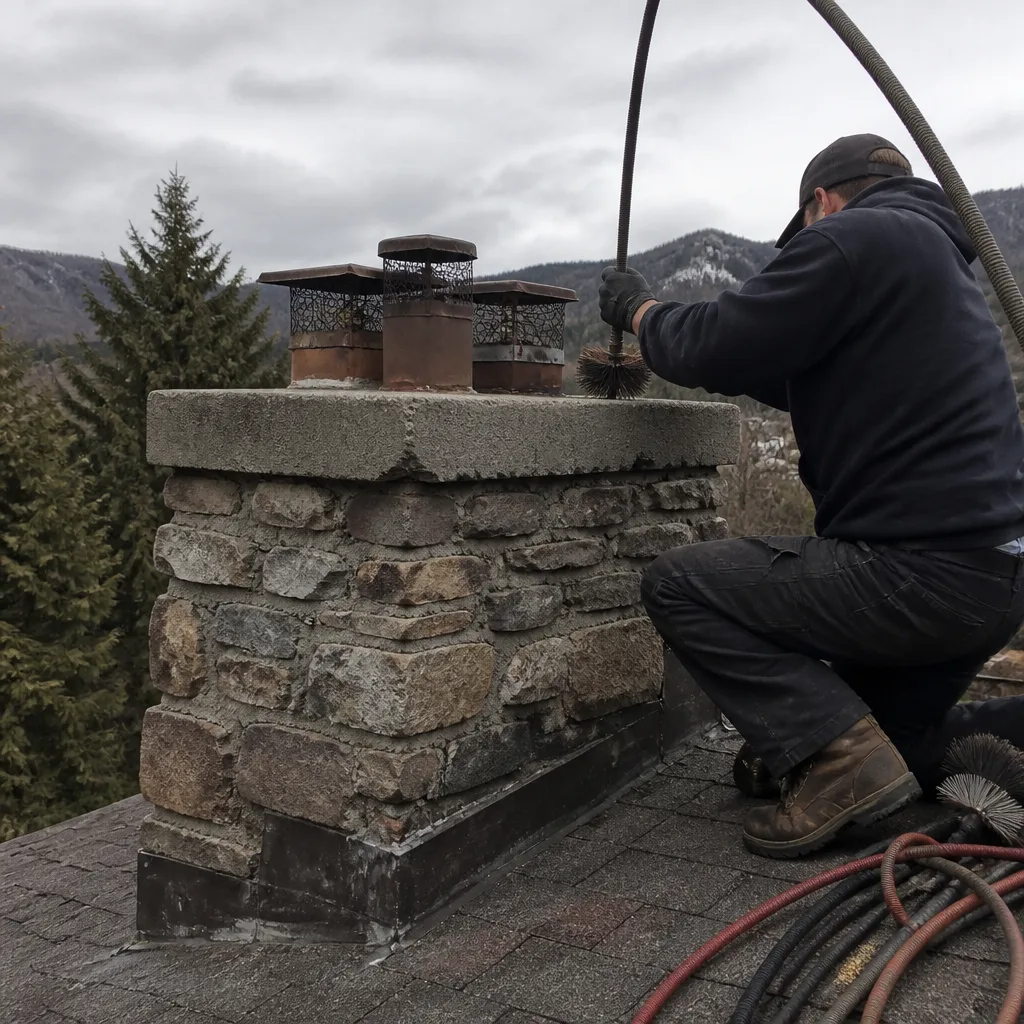 Before
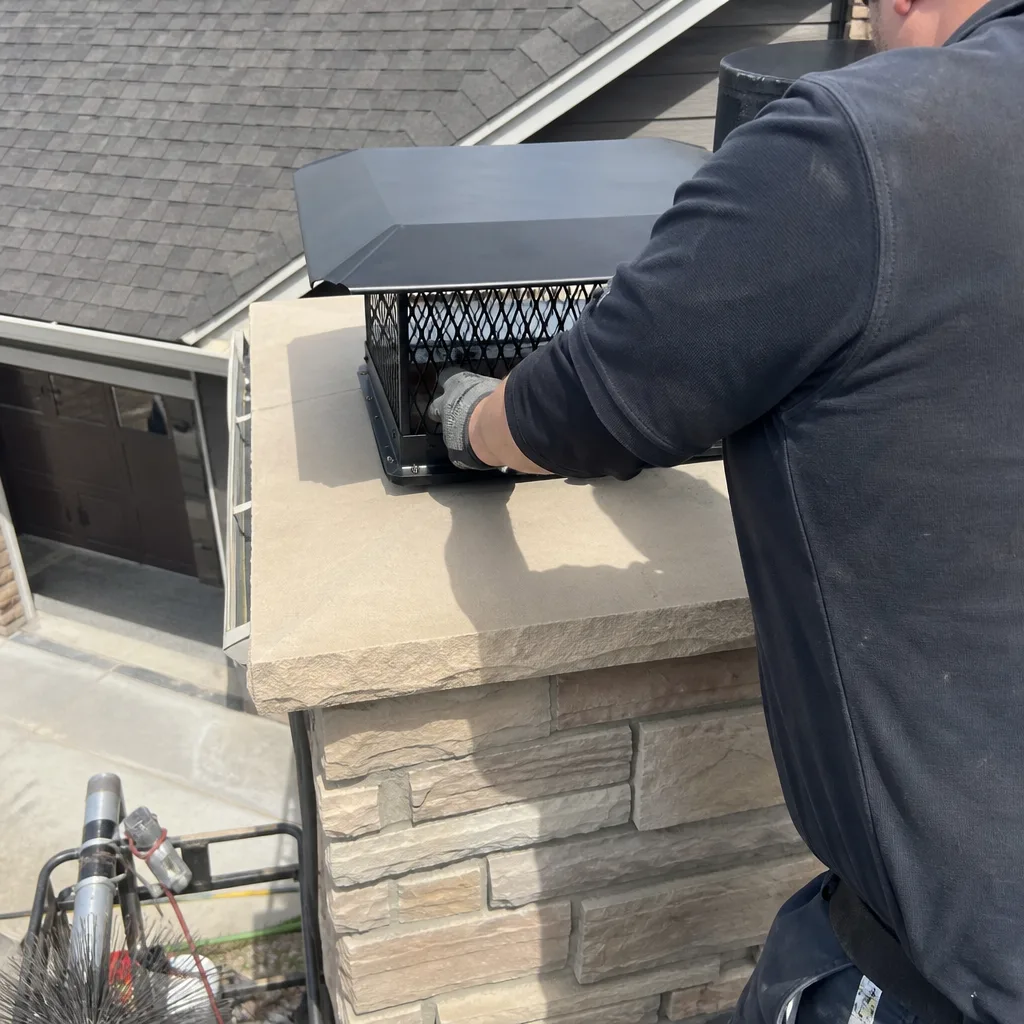 After
After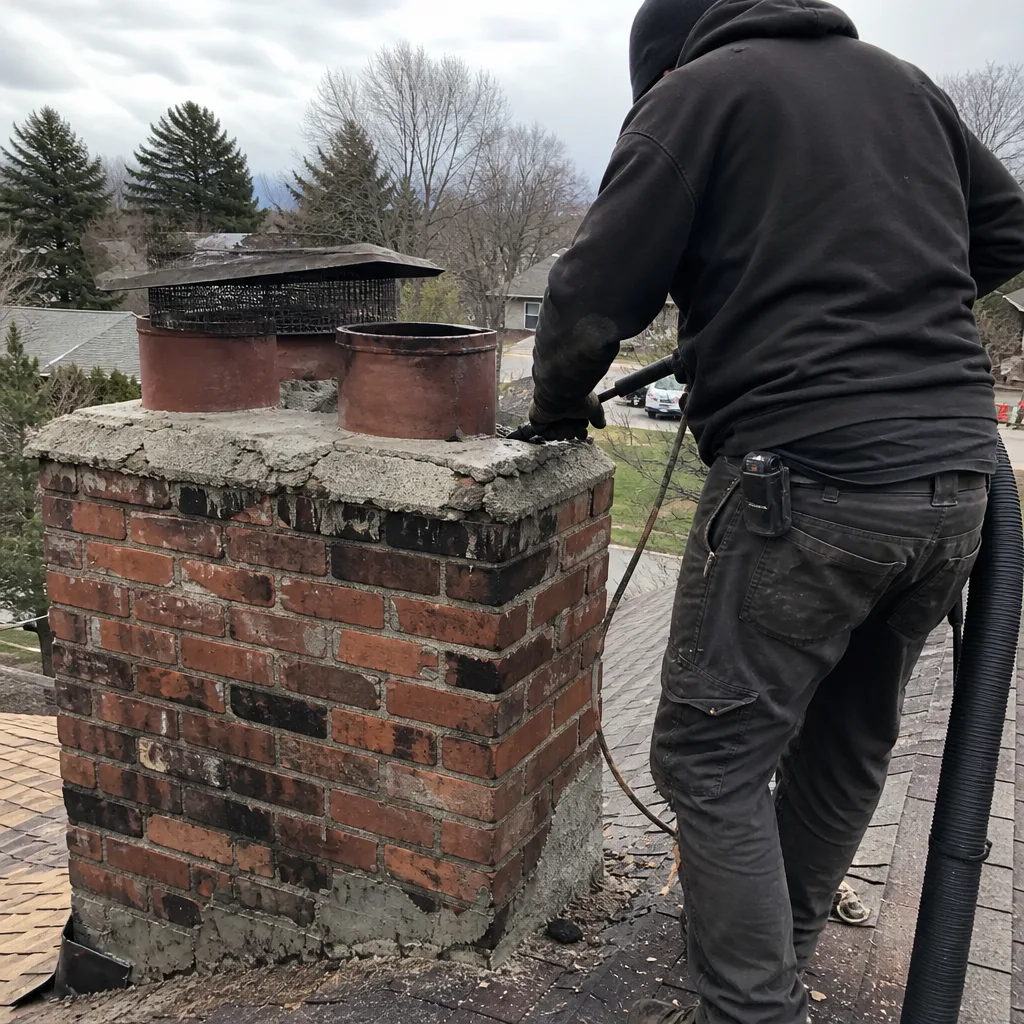 Before
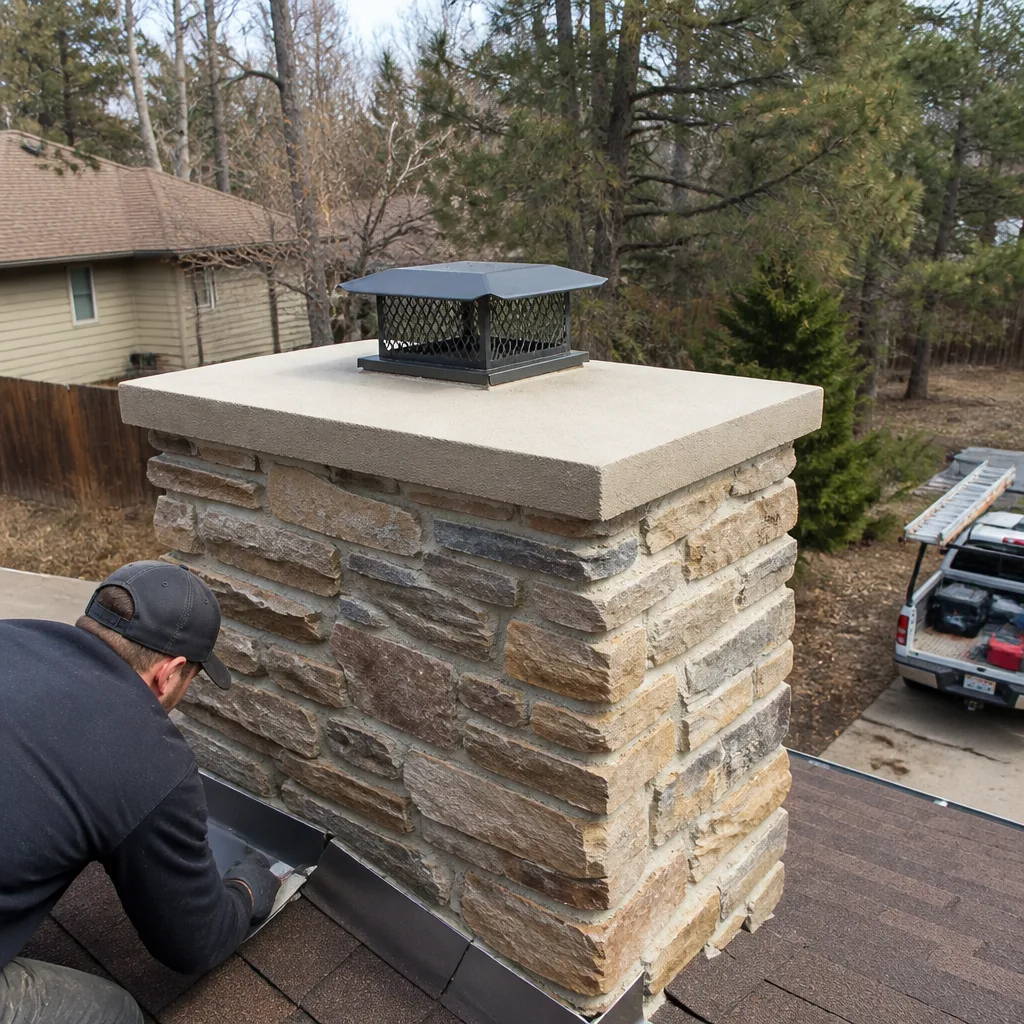 After
After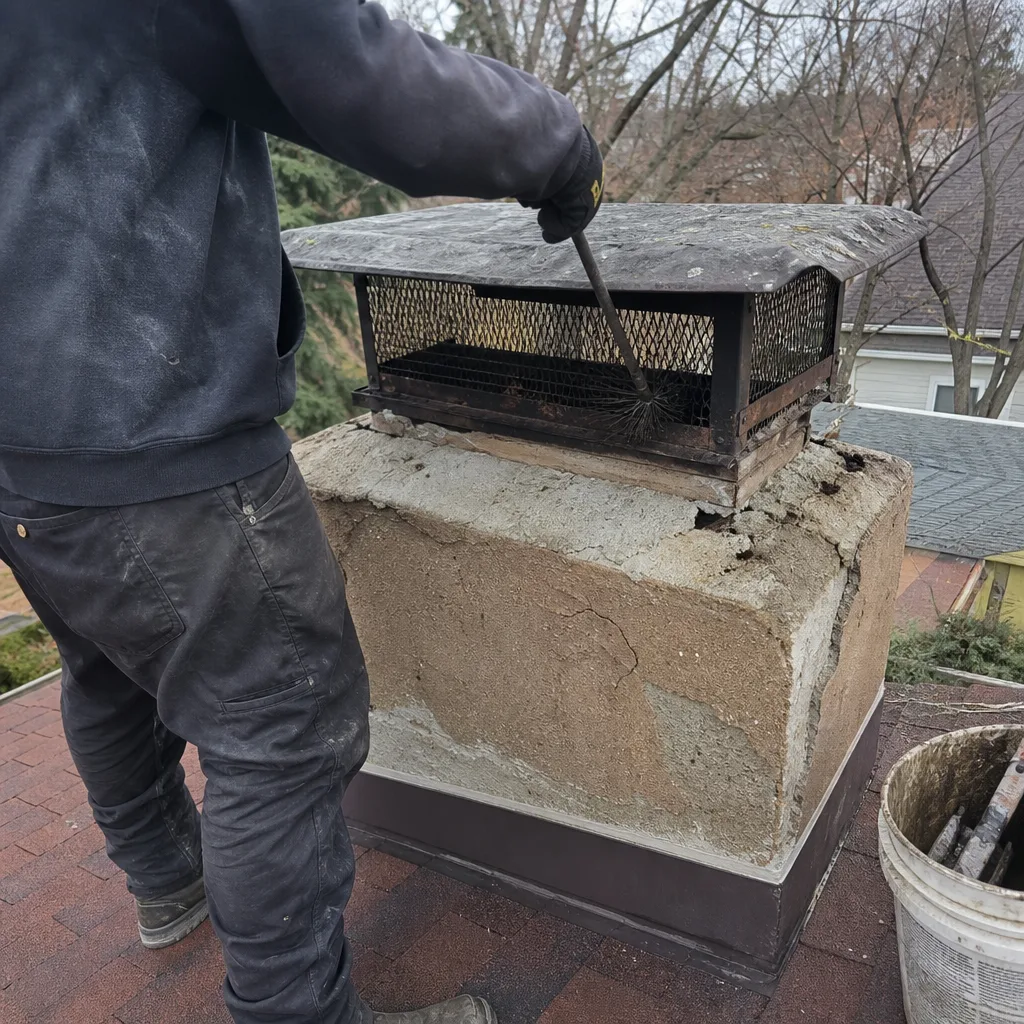 Before
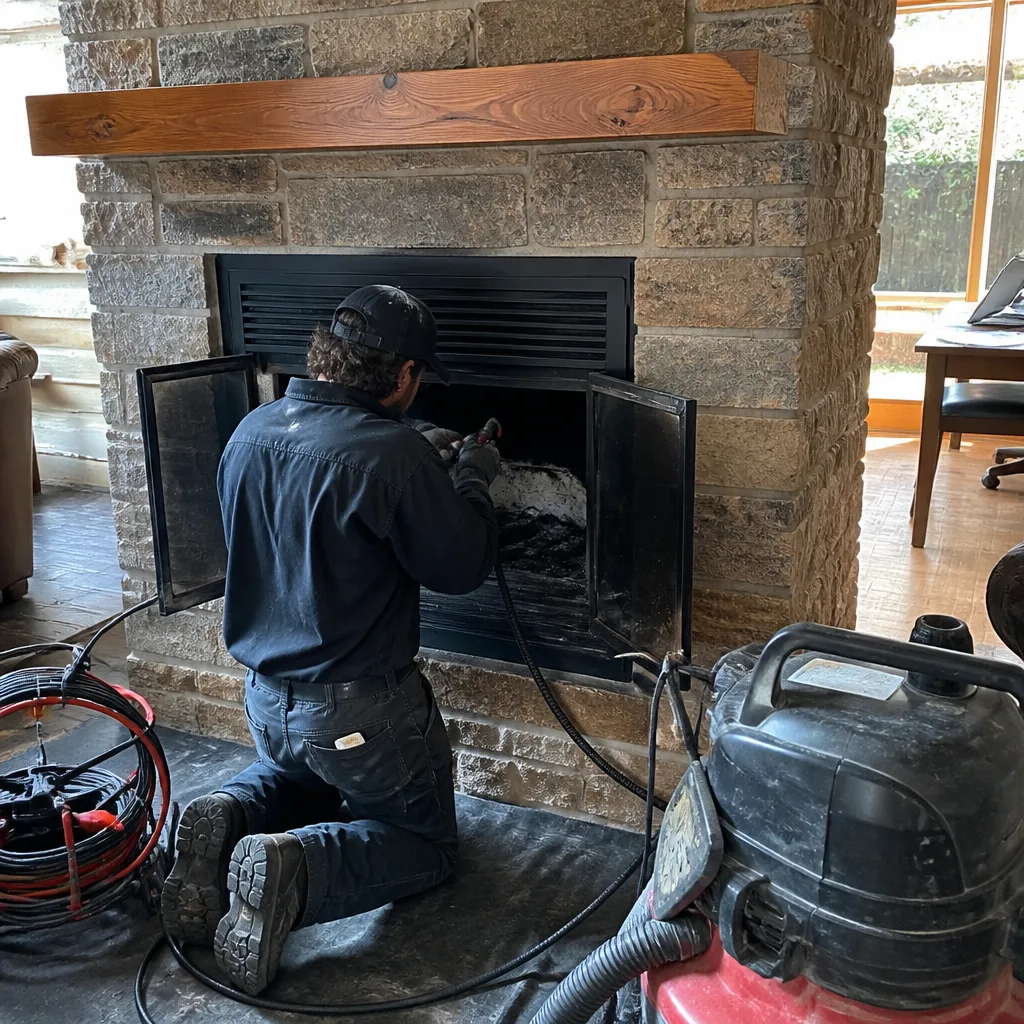 After
AfterDIY vs Professional Chimney Cleaning: The Boulder Homeowner’s Decision Guide
Here’s something most Boulder homeowners don’t realize until they’re staring at an insurance denial letter or a buyer’s inspection contingency: you can absolutely brush your own chimney. The hardware store on 28th Street sells brush kits that’ll knock loose soot off a flue wall just fine. What those kits cannot do is produce the documented, camera-verified record that Colorado insurers, real estate attorneys, and home inspectors now expect to see. Since 2009, we’ve completed more than 38,000 chimney inspections in the Boulder area, and the calls that sting the most aren’t from people who skipped maintenance - they’re from people who maintained diligently but can’t prove it. This guide draws the line at evidence, not effort.
Quick Answer
DIY chimney cleaning removes light, powdery soot (Stage 1 creosote) from accessible flue sections but cannot inspect hidden damage, document liner condition, or satisfy insurance and real estate disclosure requirements in Boulder. Professional cleaning with NFPA 211 Level 2 camera inspection costs $220-$380 in the Boulder market - see our Chimney Cleaning Cost Breakdown: The Boulder Homeowner’s Reference for 2026 for full details - and delivers a written, photo-documented record that protects your coverage and resale value.
Table of Contents
- What DIY Chimney Cleaning Actually Removes
- What Brush Kits Miss: The Hidden 60 Percent
- Colorado Insurance: What Documentation Actually Satisfies a Claim
- Boulder Real Estate Disclosure: What Sellers Must Prove
- The Equipment Gap: Consumer Kits vs. Professional Camera Inspection
- Decision Matrix: When DIY Helps and When It Creates Liability
- Cost Comparison: DIY Expenses vs. Professional Sweep in Boulder
- Common Mistakes to Avoid
- When to Call a Professional
- Frequently Asked Questions
- The Bottom Line
BeforeAfterWhat DIY Chimney Cleaning Actually Removes
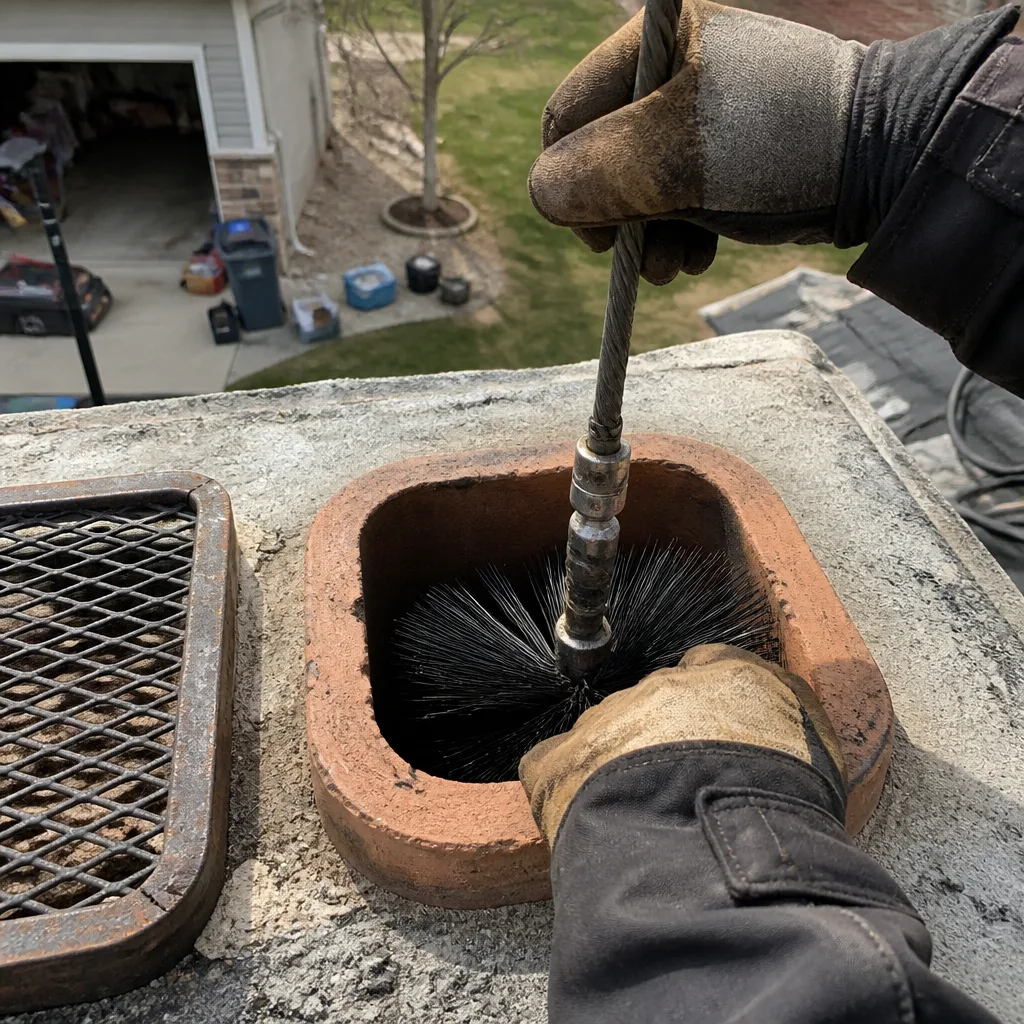
A standard consumer brush kit - poly or wire bristles on extension rods, roughly $40-$80 at Boulder-area hardware stores - handles one thing well: Stage 1 creosote. This is the light, fluffy, black deposit that forms when wood burns efficiently with adequate airflow. It brushes off readily. If you’re burning properly seasoned hardwood (20% moisture or less) and running hot fires weekly through Boulder’s heating season, Stage 1 is likely what you’ve got.
Here’s the process, honestly assessed:
- Visual inspection from below. You can spot obvious blockages, animal nests, or heavy buildup at the firebox opening and the first few feet of flue. Use a flashlight. Look for obstructions, but understand you’re seeing perhaps 15% of the total flue surface.
- Brushing from the top down or bottom up. Top-down is more effective - gravity helps debris fall - but requires roof access. In Boulder’s older Mapleton Hill or Chautauqua neighborhoods, roofs are often steep, high, and historically protected; ladder work carries real injury risk. Bottom-up avoids the roof but leaves the upper flue less thoroughly cleaned.
- Debris removal from the firebox and smoke shelf. Shop-vac the fallout. The smoke shelf, that flat area behind the damper, collects the most hazardous material. Consumer kits rarely reach it effectively.
What this accomplishes: reduced fire risk from surface deposits, improved draft if buildup was minor, and the satisfaction of visible progress. What it does not accomplish: any documentation of what was found, any view of the flue liner’s interior condition, any assessment of the smoke chamber’s structural integrity, or any record an insurer or court would accept.
In our experience across Boulder’s varied housing stock - from 1890s Victorians in Whittier to 1970s splits in Martin Acres to new builds in Gunbarrel - DIY brushing is a reasonable interim measure for homeowners who burn occasionally, use dry wood, and schedule professional inspection every 2-3 years. It is not a substitute for documented evaluation.
What Brush Kits Miss: The Hidden 60 Percent
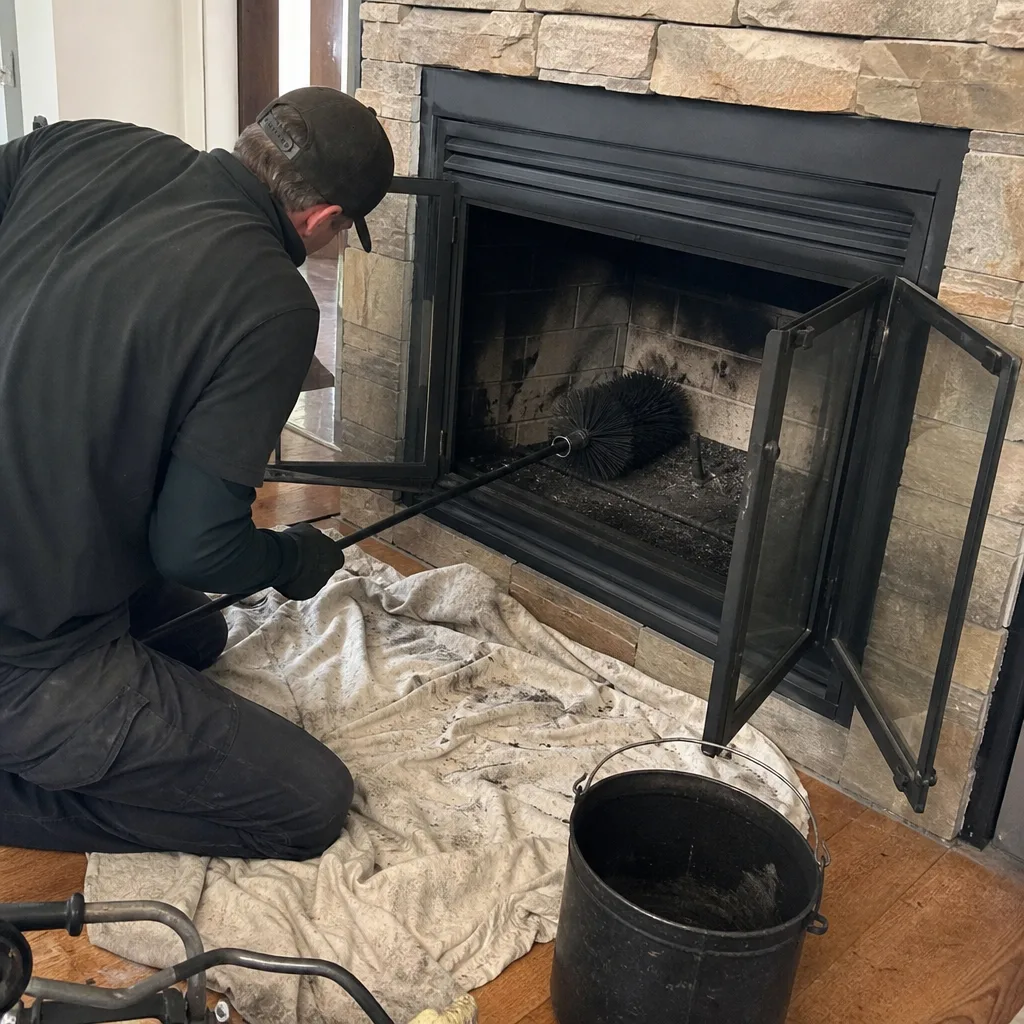
The flue liner in a typical Boulder masonry chimney runs 15-25 feet from firebox to crown. A brush kit contacts the central cylinder of that passage. It does not reach the corners of rectangular tile liners. It does not assess the joints between liner sections. It cannot detect the hairline cracks that open when Boulder’s freeze-thaw cycles stress aging terracotta. And it is entirely blind to what happens above the roofline.
Here’s what we find on camera scans that brushing alone never reveals:
- Stage 2 and Stage 3 creosote. Stage 2 is granular and tar-like, adhering to flue walls. Stage 3 is glazed, hardened, and nearly impossible to remove without rotary chains or chemical treatment. Both accelerate chimney fires. Neither yields to a hand brush. In Boulder, where many homeowners burn pine and fir from beetle-kill salvage - resinous, fast-burning wood - Stage 2 buildup is common by mid-season.
- Spalling tile and mortar loss. The interior surface of terracotta flue liners flakes under thermal stress. Loose material falls, exposing the chimney’s structural masonry to direct flame and creosote contact. A brush pushes past this. A camera reveals it.
- Shifting liner joints. Clay tile liners are stacked in sections. Seismic activity - minor, frequent in Colorado - or foundation settling in Boulder’s expansive soils can open gaps. Gaps allow heat and combustion gases into wall cavities. No brush detects this.
- Smoke chamber damage. The smoke chamber, the area above the damper that funnels smoke into the flue, is the most common site of hidden fire damage. It’s also the hardest to reach. NFPA 211 requires parging (smooth finishing) for safe airflow. Most Boulder chimneys built before 1980 have rough, corbeled brick in this zone. Brushing doesn’t inspect it; a camera and trained eye do.
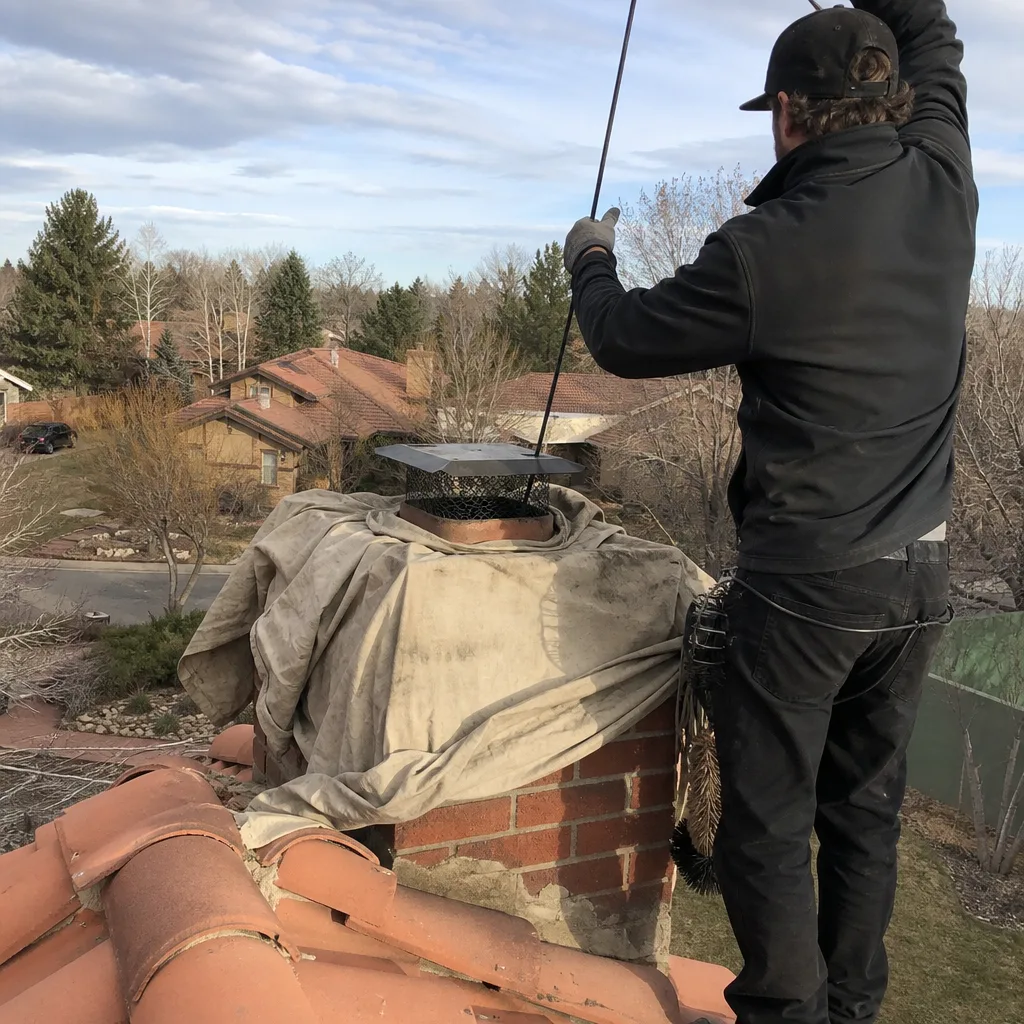
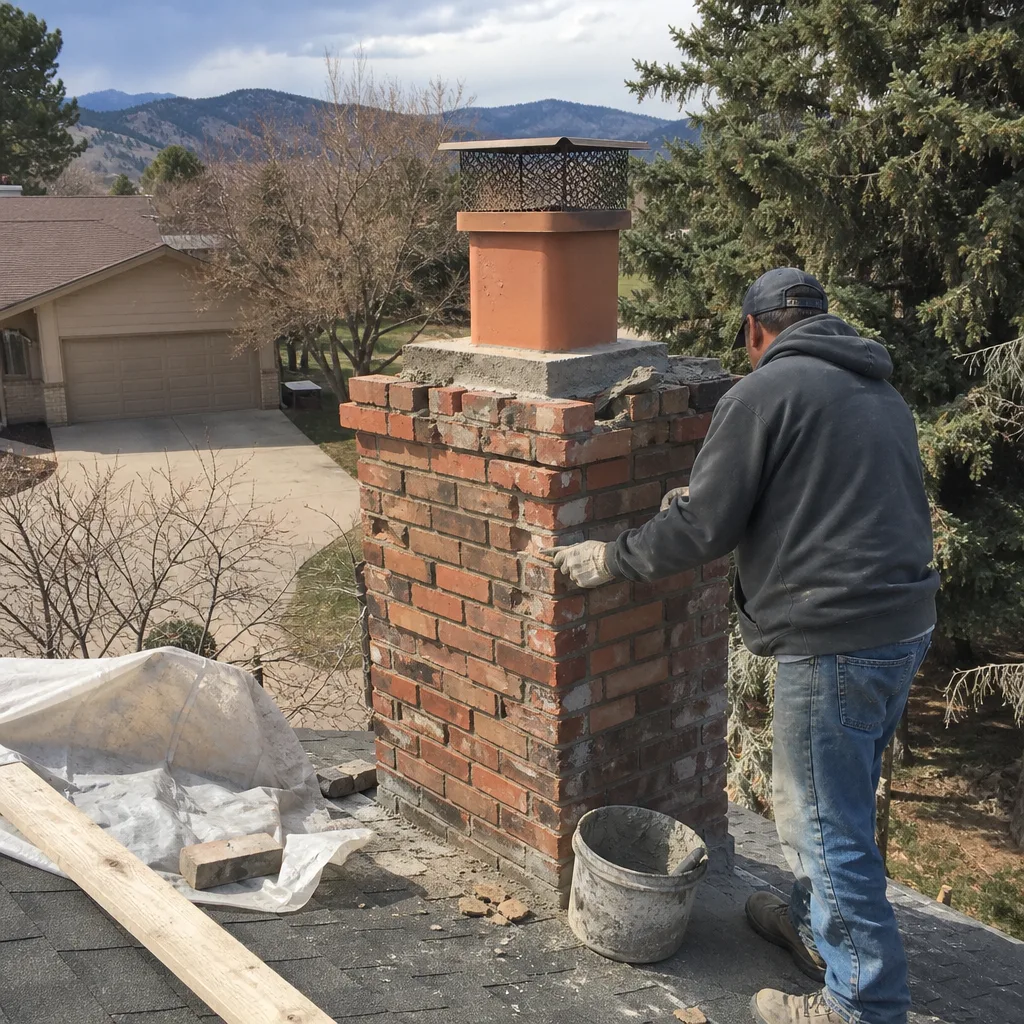
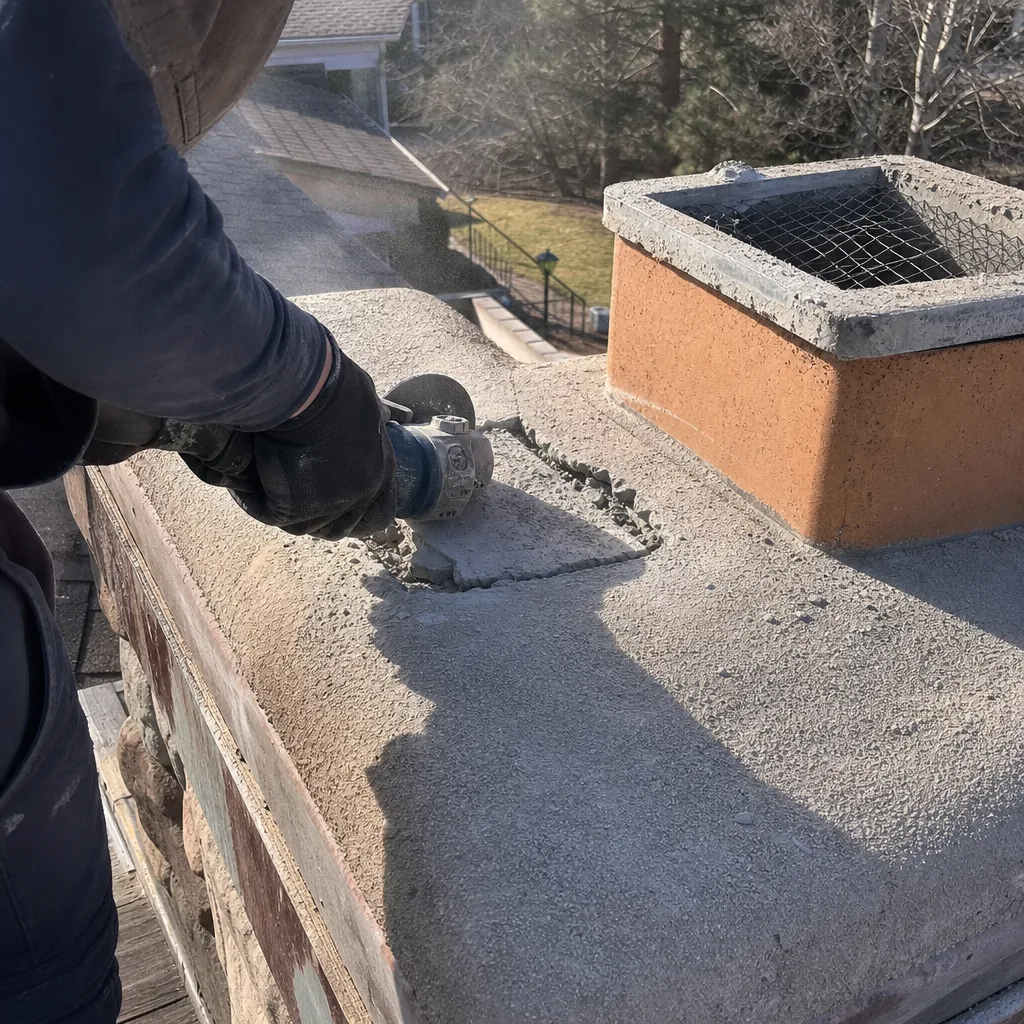
- Crown and cap issues above the roofline. Water intrusion kills more Boulder chimneys than fire. Cracked crowns, failed flashing, and missing caps allow moisture into the flue system. You cannot diagnose this from below. We document it with exterior photography and, when needed, drone or ladder-based close inspection.
The “hidden 60 percent” isn’t a marketing figure. It’s the portion of flue surface and adjacent structure that a brush kit physically cannot contact or evaluate. In 38,000 inspections, we’ve documented serious defects in chimneys that homeowners had brushed annually for years. They weren’t negligent. They were uninformed about what brushing omits.
Colorado Insurance: What Documentation Actually Satisfies a Claim
This is where the DIY vs. professional question becomes concrete. After a chimney fire, your homeowner’s insurer will request maintenance records. What you provide determines whether your claim proceeds or stalls.
Colorado follows a “reasonable care” standard for homeowner maintenance obligations. Insurers increasingly interpret this to mean documented, professional evaluation - not self-reported activity. Here’s what we’ve observed in claims involving Boulder-area homeowners:
| Documentation Provided | Typical Insurer Response |
|---|---|
| Self-performed brushing, no records | Claim delayed or denied; homeowner bears burden of proving adequate maintenance |
| Receipt for brush kit purchase | Insufficient; proves equipment ownership, not competent use or condition assessment |
| Professional sweep receipt without inspection | Partial; documents cleaning occurred, but not what was found or recommended |
| NFPA 211 Level 2 inspection with photo record | Strongest position; documented baseline, identified defects, recommended actions |
The critical distinction: a Level 2 inspection under NFPA 211 includes a camera scan of the flue interior, accessible portions of the smoke chamber, and written documentation of findings. This is the standard Emberly Chimney Cleaners has applied to every job since 2009 - what became Clause 4 of the Haven Standard.
After the 2021 Marshall Fire, Boulder-area insurers tightened scrutiny of all fire-related claims, including chimney fires. Underwriting departments now routinely request inspection records for homes with wood-burning appliances. A “we kept it clean” assertion, without dated, photo-documented evidence from a qualified technician, increasingly triggers additional investigation or coverage disputes.
We are not insurance agents, and policy language varies. What we can state from direct experience: the homeowners who navigate claims most smoothly are those who can produce a written inspection report with embedded camera images, a clear statement of flue condition, and dated service records. Those who brushed diligently but kept no such records face harder conversations.
Boulder Real Estate Disclosure: What Sellers Must Prove
Boulder County’s seller disclosure form asks specifically about “heating system condition, including fireplaces and chimneys.” This isn’t a generic catch-all. In Boulder’s active market, where median home prices exceed $800,000 and buyers routinely include inspection contingencies, chimney condition has become a negotiated point.
Here’s what actually happens in transactions:
- Buyer’s inspector recommends a Level 2 chimney inspection. General home inspectors visually examine accessible portions of chimneys but disclaim evaluation of flue interiors. Their reports almost always include a recommendation for “further evaluation by a qualified chimney professional” - standard language that protects their liability.
- Seller’s disclosure becomes scrutinized. If the seller checked “no known problems” but cannot produce inspection records, buyers and their attorneys question what due diligence was performed. “I brushed it myself” does not satisfy this inquiry.
- Transaction stalls or price adjusts. We’ve been called into pending sales where the buyer’s lender requires chimney documentation before closing, or where insurance binders are contingent on professional inspection. A $280 inspection resolves a $15,000 negotiation.
Boulder’s real estate market moves fast. Delays for additional inspections can cost sellers their backup buyers or put closing dates at risk. Having a current, documented inspection - with photos, written scope, and any recommended repairs priced - lets sellers disclose with confidence and respond to buyer concerns immediately.
In neighborhoods like Newlands or North Boulder, where many homes date to the 1950s-1970s and original clay liners are reaching end of service life, pre-listing chimney inspection has become standard practice among informed sellers. They understand that documentation is a market asset, not just maintenance.
The Equipment Gap: Consumer Kits vs. Professional Camera Inspection
The difference between a $60 brush kit and professional equipment isn’t incremental - it’s categorical. Understanding this helps homeowners make informed decisions about what they’re actually accomplishing.
Consumer-grade equipment:
- Poly or wire brush heads, 6″-8″ diameter
- 3-6 flexible extension rods
- Basic drop cloth and ash vacuum
- Flashlight for visual inspection
Professional equipment (Emberly Chimney Cleaners standard):
- Rotary cleaning systems with adjustable-speed drivers and chain/flail heads sized to liner diameter
- High-definition chimney inspection cameras with 360-degree pan capability and LED lighting
- Digital documentation system producing timestamped photo records
- Combustion analyzers and draft gauges for performance measurement
- Specialized smoke chamber and firebox inspection mirrors and lights
- Access equipment for roof-level crown, cap, and flashing evaluation
The camera is the decisive difference. A professional chimney camera - not a borescope or phone on a stick, but a purpose-built unit with articulating head and high-resolution sensor - reveals:
- Cracks as narrow as 1/32 inch in terracotta liners
- Mortar erosion between tile joints
- Creosote buildup patterns indicating combustion problems
- Obstructions from collapsed liner sections or animal activity
- Water staining patterns tracing leak sources
No consumer tool replicates this. GoPro-style cameras on poles lack lighting, articulation, and resolution. Phone cameras on extenders are worse. The inspection isn’t merely “seeing inside” - it’s interpreting what visible patterns mean for safety, performance, and remaining service life. That interpretation requires training, repetition, and reference to thousands of previous inspections.
We’ve used camera systems from multiple manufacturers over 15 years. Our current documentation standard - Clause 4 of the Haven Standard - produces a photo record that homeowners, insurers, and real estate professionals can review independently. The camera doesn’t just find problems; it creates the evidence trail that protects you later.
Decision Matrix: When DIY Helps and When It Creates Liability
DIY chimney brushing isn’t universally wrong. It’s situationally appropriate or inappropriate. Here’s our assessment based on Boulder’s housing stock, climate, and regulatory environment.
| Scenario | DII Appropriate? | Recommended Action |
|---|---|---|
| Occasional fireplace use (1-2x/month), dry hardwood, liner <10 years old | Yes, as interim measure | Annual DIY brushing; professional Level 2 inspection every 3 years |
| Primary heat source, daily use through winter | No | Annual professional sweep with Level 2 inspection |
| Unknown liner age or condition (most pre-1990 Boulder homes) | No | Professional inspection before any use; do not brush until liner condition is known |
| Recent home purchase, no inspection records from seller | No | Baseline Level 2 inspection to establish condition and documentation trail |
| Preparing home for sale in Boulder market | No | Professional inspection and cleaning; provide documentation to listing agent |
| Insurance renewal or new policy with wood-burning appliance | No | Professional inspection with written report and photo record |
| Noticeable draft problems, smoke spillage, or odor | No | Professional evaluation; symptoms indicate problems brushing cannot resolve |
| Beetle-kill pine or other softwood burning | Caution | More frequent professional service; resinous fuels accelerate Stage 2/3 creosote |
The liability question turns on documentation. DIY brushing that produces no record creates a gap: you performed maintenance, but you cannot prove what condition existed, what was found, or what was recommended. In a claim or transaction, that gap is treated as absence of evidence, not evidence of absence. Professional service closes the gap with dated, photo-documented, written findings.
Cost Comparison: DIY Expenses vs. Professional Sweep in Boulder
Honest accounting matters. Here’s what DIY actually costs, and what professional service includes at current Boulder market rates - guidance you can also find in our step-by-step guide on how to hire a chimney cleaning contractor in Boulder.
DIY chimney cleaning - typical expenses:
- Brush kit with rods: $45-$85
- Replacement brush heads (annual): $15-$25
- Drop cloth and protective gear: $20-$40
- Shop vacuum or ash vacuum: $80-$150 (if not owned)
- Ladder or roof access equipment: $100-$300 (if needed for top-down cleaning)
- First-year total: $260-$600
- Ongoing annual cost: $15-$40 (brush replacement only)
Professional chimney cleaning and Level 2 inspection in Boulder:
- Standard sweep with camera inspection: $220-$380
- Heavy creosote removal (Stage 2-3): additional $150-$300
- Includes: cleaning, camera scan, photo documentation, written condition report, written price for any recommended repairs
The DIY cost advantage exists only in ongoing years, and only if you already own equipment and accept the limitations. First-year DIY costs often exceed professional service. More importantly, the comparison omits value: documentation, liability protection, and defect detection that prevents costly repairs.
We’ve replaced flue liners in Boulder homes where early camera inspection would have identified cracked tiles at $2,800-$4,500 before water damage and structural deterioration pushed costs to $8,000-$15,000 for full rebuild. The “savings” of DIY brushing in those cases was illusory.
Emberly Chimney Cleaners provides written pricing before any work begins - Haven Standard Clause 1. No surprise charges, no upsell after arrival. Our Chimney Cleaning & Sweep in Boulder page lists current service tiers.
Common Mistakes to Avoid
- Brushing a damaged liner. We’ve seen homeowners force brushes through cracked terracotta, dislodging tile fragments that block the flue or fall into the firebox. If you don’t know liner condition, inspect before brushing. A stuck brush is an emergency call you could have avoided.
- Using the wrong brush material. Wire brushes on stainless steel liners scratch and corrode. Poly brushes on heavy creosote glaze uselessly. Match brush to liner type and deposit stage - or let a professional assess both.
- Neglecting the smoke shelf. This flat area behind the damper collects the most hazardous material. Consumer kits rarely reach it effectively. In Boulder’s older homes with deep, corbeled smoke chambers, this omission is significant.
- Assuming “no draft problems” means “no problems.” Many serious defects - cracked liners, open joints, exterior water intrusion - produce no immediate symptoms. By the time draft fails or smoke spills, damage is advanced.
- Documenting nothing. Photos on your phone of sooty brush heads prove you brushed; they don’t prove condition, findings, or competence. Insurers and attorneys need structured documentation from qualified sources.
- Ignoring Boulder’s altitude effects. At 5,400 feet, combustion chemistry differs from sea level. Wood burns differently; draft patterns vary. DIY maintenance routines developed at lower elevations may be inadequate here.
When to Call a Professional
Call when documentation matters: before burning season in a new home, before listing for sale, when insurance requires inspection, or when any symptom appears - draft issues, odors, visible damage, or uncertainty about liner condition. Call when the work exceeds brushing: Stage 2-3 creosote, suspected liner damage, smoke chamber parging needs, or crown and flashing repair.
Emberly Chimney Cleaners Boulder offers free estimates in Boulder - call (970) 598-0453. Every estimate includes a written price before work starts, a documented photo record on completion, and the 365-Day Done Right Promise. Our Chimney Repair in Boulder and Fireplace Services in Boulder pages detail additional services.
Frequently Asked Questions
A standard chimney cleaning with NFPA 211 Level 2 camera inspection in Boulder costs $220-$380. Heavy creosote removal or additional services are priced separately in writing before work begins. Call (970) 598-0453 for an exact quote - estimates are free.
You need a new liner when the existing one is cracked, spalled, or deteriorated to the point that combustion gases or heat can reach combustible building materials - a condition we verify with camera inspection, not guesswork. Many Boulder homes built before 1980 have original clay tile liners at or near end of service life. We show you the camera footage and explain exactly what we found before recommending replacement. Materials from DuraFlex, Olympia Chimney, and other certified manufacturers are priced in writing before any installation begins.
NFPA 211 recommends annual inspection for all chimneys; cleaning frequency depends on use and fuel. In Boulder, where many homeowners burn daily through heating season and beetle-kill softwoods are common, annual sweeping is prudent for primary heat sources. Occasional users may extend to every 2-3 years with professional inspection in between. The specific schedule depends on what the camera shows, not the calendar.
Skipped maintenance allows creosote accumulation, which increases chimney fire risk; permits hidden liner damage to progress; and allows water intrusion that degrades masonry and adjacent structure. In Boulder, where freeze-thaw cycles are severe and many chimneys serve as structural elements, deferred maintenance typically converts $300 annual service into $5,000-$15,000 rebuilds. Insurance may dispute claims if maintenance records are absent.
A shop vacuum removes fallen debris after brushing but cannot clean flue walls, inspect liner condition, or document findings. Standard shop vacuums also lack HEPA filtration for fine combustion particulates. Use one for cleanup if you choose, but understand it’s the final step of an incomplete process, not a substitute for professional evaluation.
Generally, no. Colorado insurers increasingly require documented, professional inspection - specifically NFPA 211 Level 2 with photo record - to satisfy maintenance obligations for wood-burning appliances. Self-performed brushing without professional documentation leaves you without evidence if a claim arises. We recommend confirming specific requirements with your insurer, then ensuring your service provider delivers documentation that meets them.
The Bottom Line
The question isn’t whether you can brush your own chimney. Most Boulder homeowners can, for light deposits in accessible sections. The question is what that brushing produces beyond cleaner flue walls - and what it omits that matters for insurance, real estate, and safety.
DIY chimney cleaning removes visible soot. It does not inspect liner condition, document findings, satisfy insurer requirements, or protect resale value. Professional service with NFPA 211 Level 2 camera inspection does all four, at a cost that often matches first-year DIY investment.
For homes with unknown liner history, daily winter use, insurance requirements, or sale preparation, professional inspection isn’t an alternative to DIY - it’s the baseline from which all other decisions should flow. Everything else is maintenance without evidence, and evidence is what protects you when it matters.
Call (970) 598-0453 for a free estimate. We’ll provide a written price before any work starts, a complete camera inspection with photo record under Haven Standard Clause 4, and the 365-Day Done Right Promise on everything we do.
Written by Corrine Halstead, Owner at Emberly Chimney Cleaners Boulder, serving Boulder since 2009. Explore more guides & resources on chimney care and home safety.