
Last updated September 22, 2026
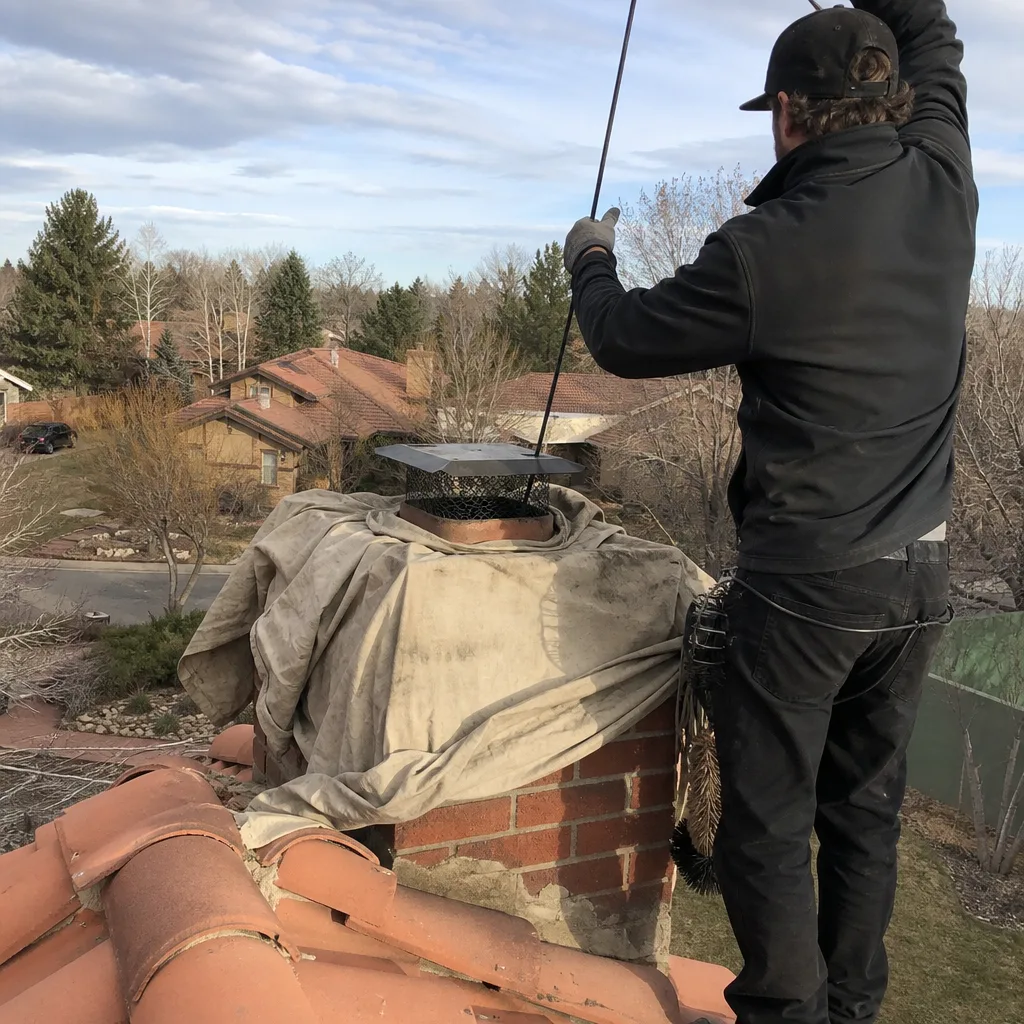
Level 1 sweep and inspection to the NFPA 211 annual standard - flue, crown, cap, and flashing checked and photographed
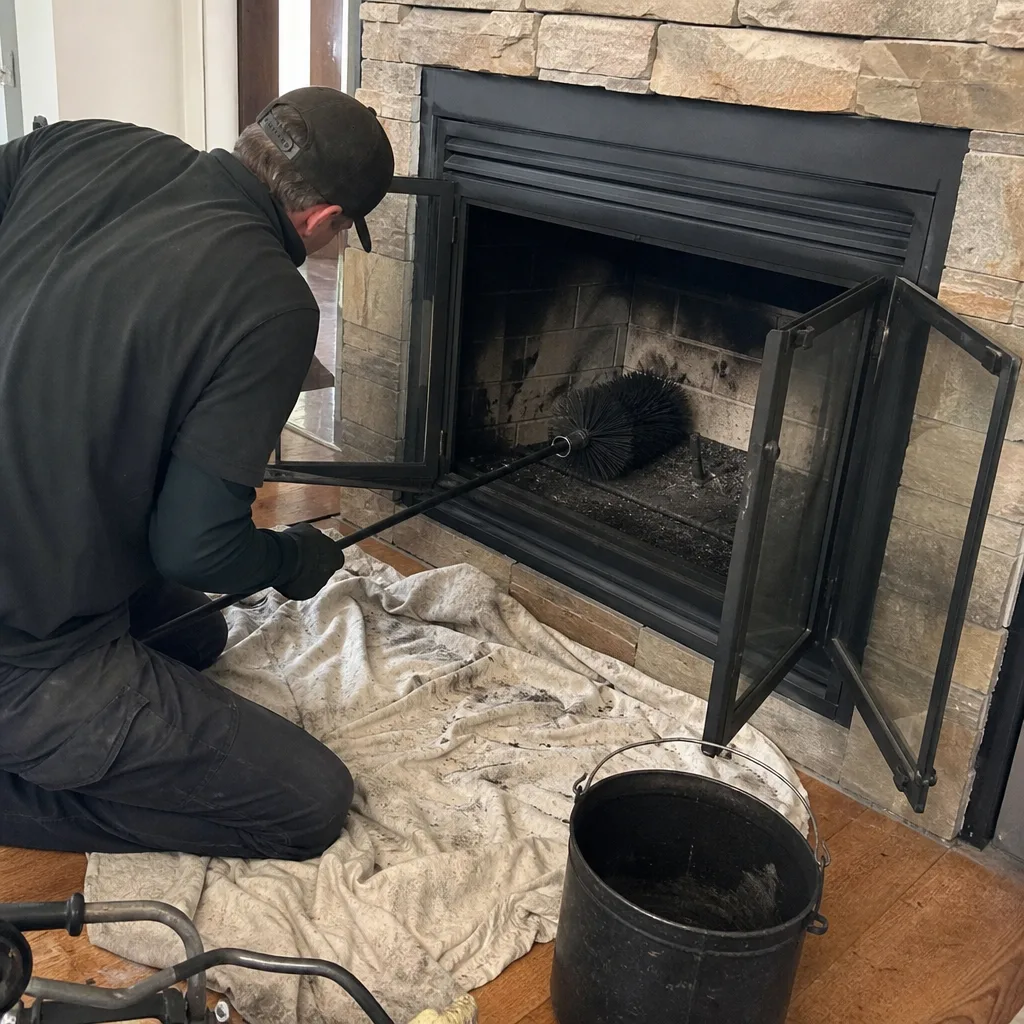
Chimney sweep logs do not sweep chimneys. They loosen some creosote - which then falls where a brush and vacuum still have to collect it.
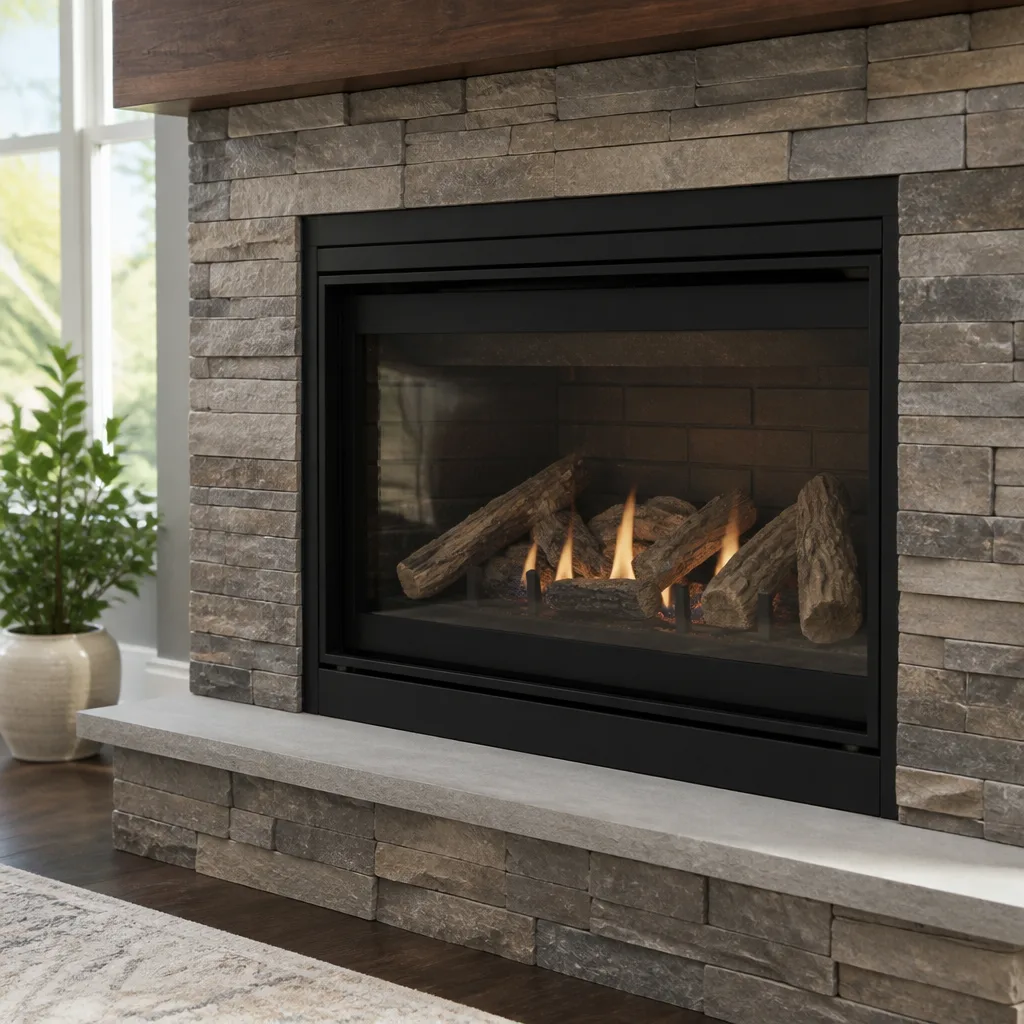
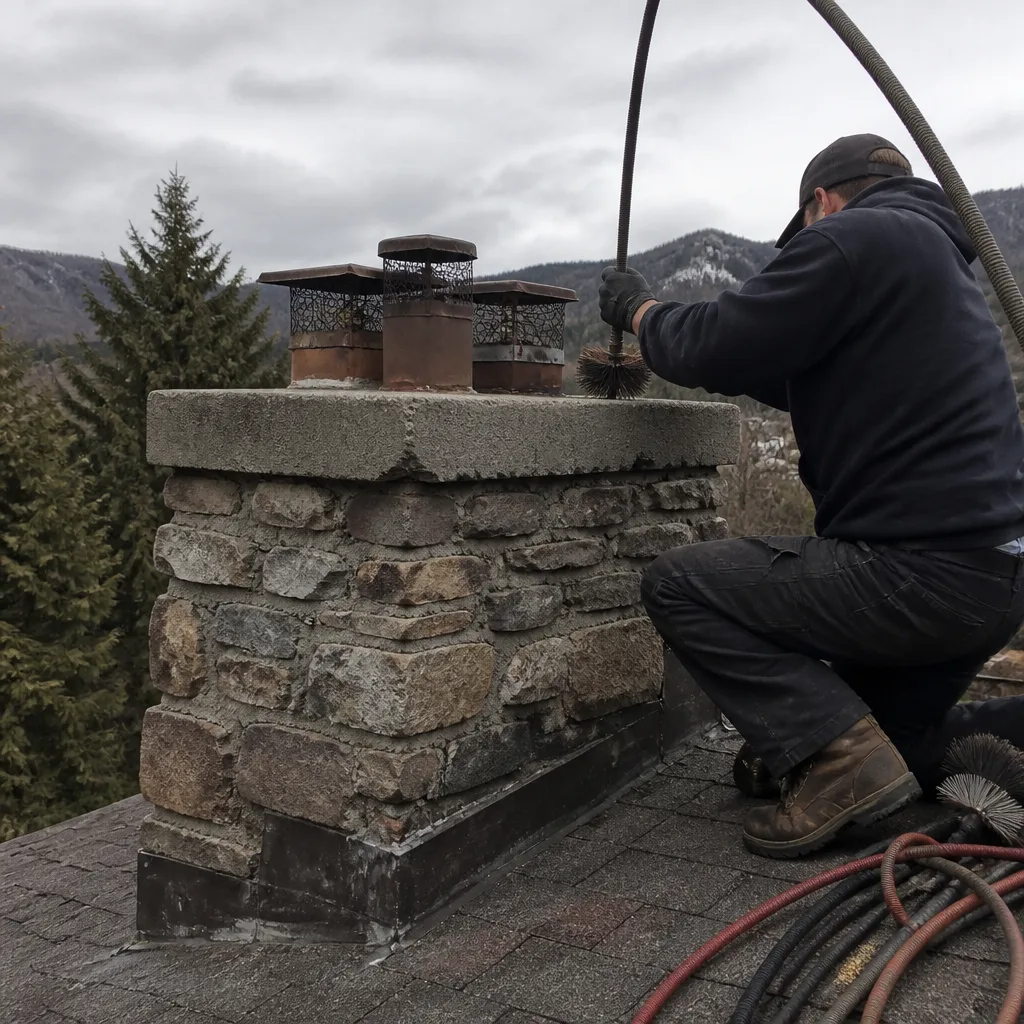 Before
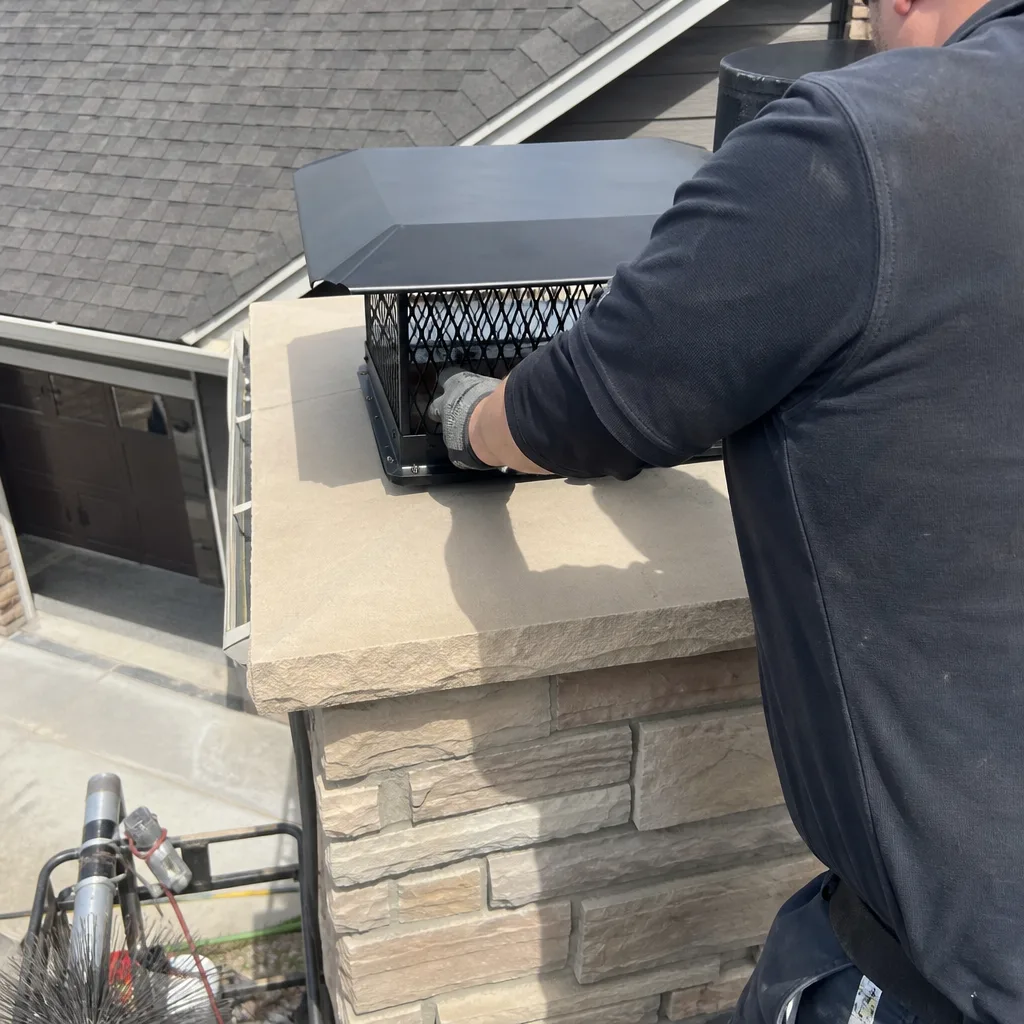 After
After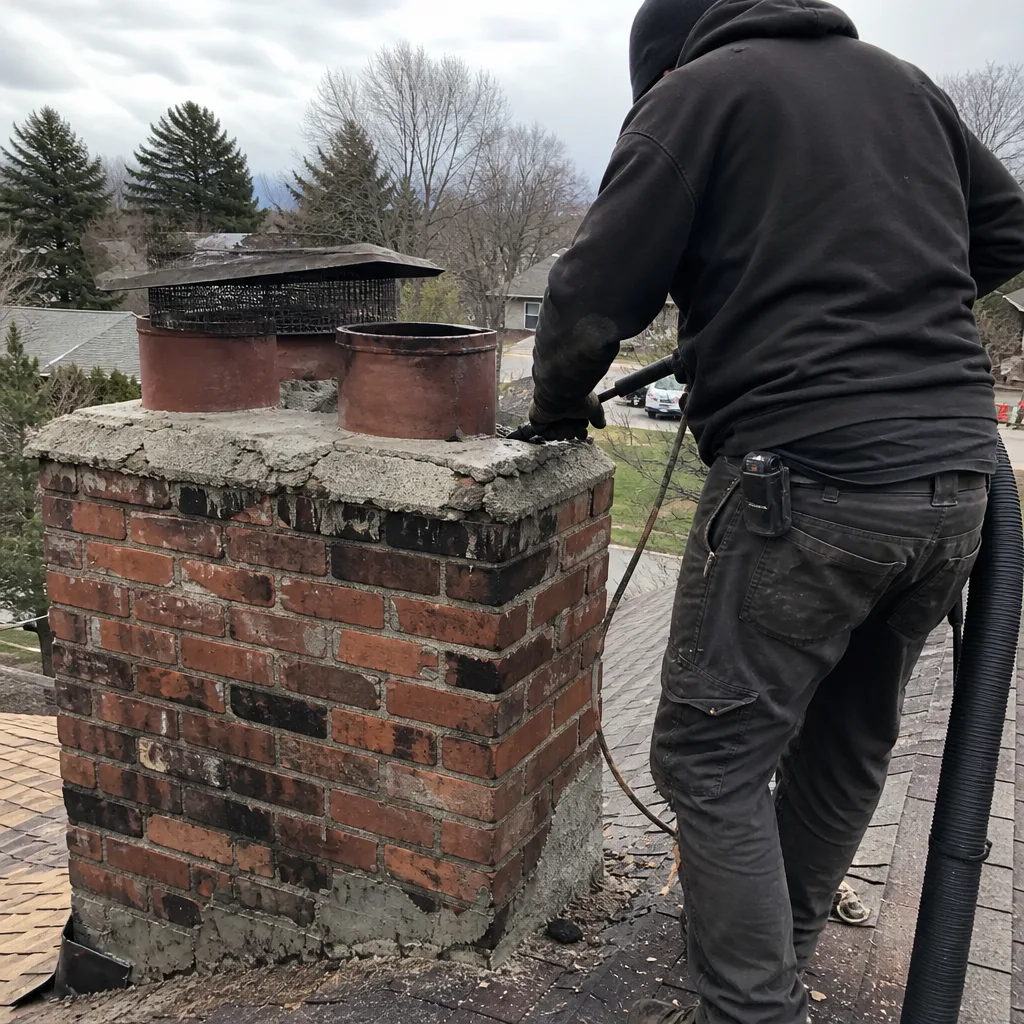 Before
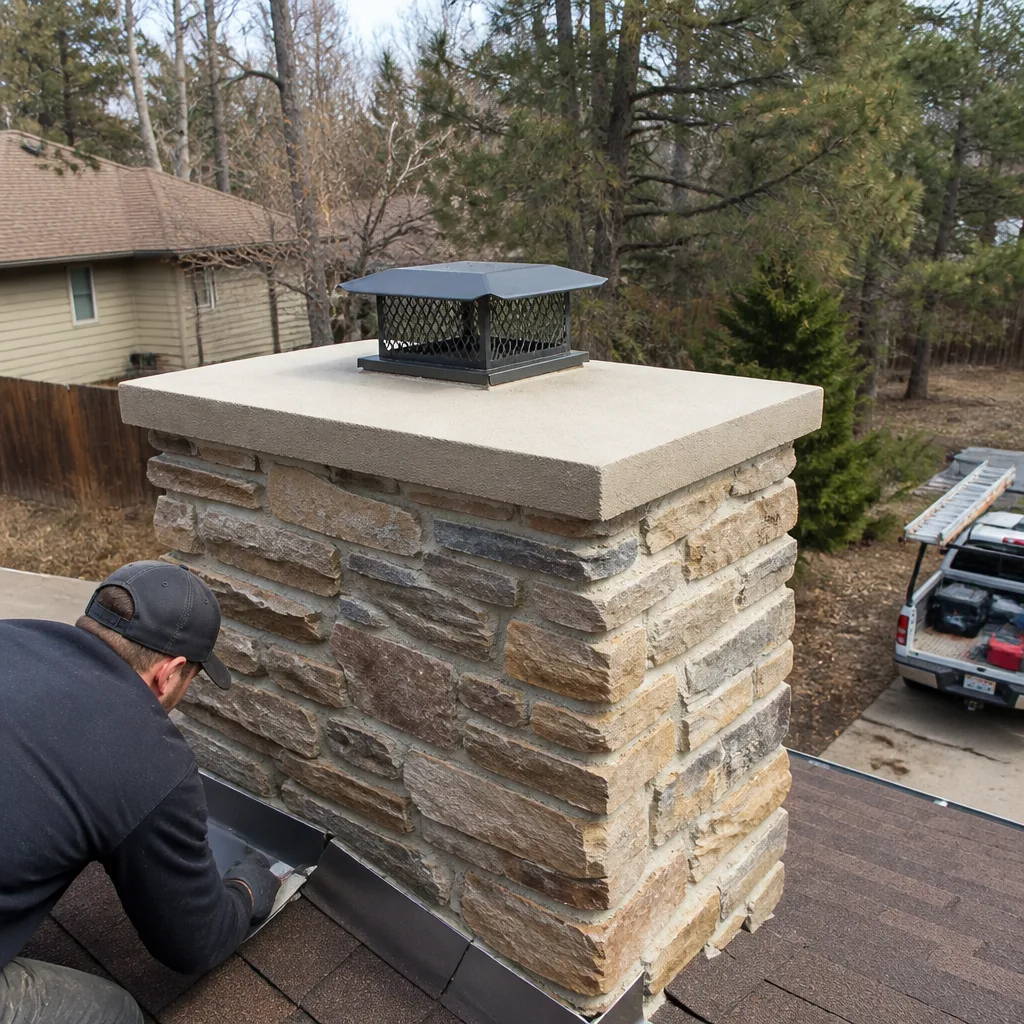 After
After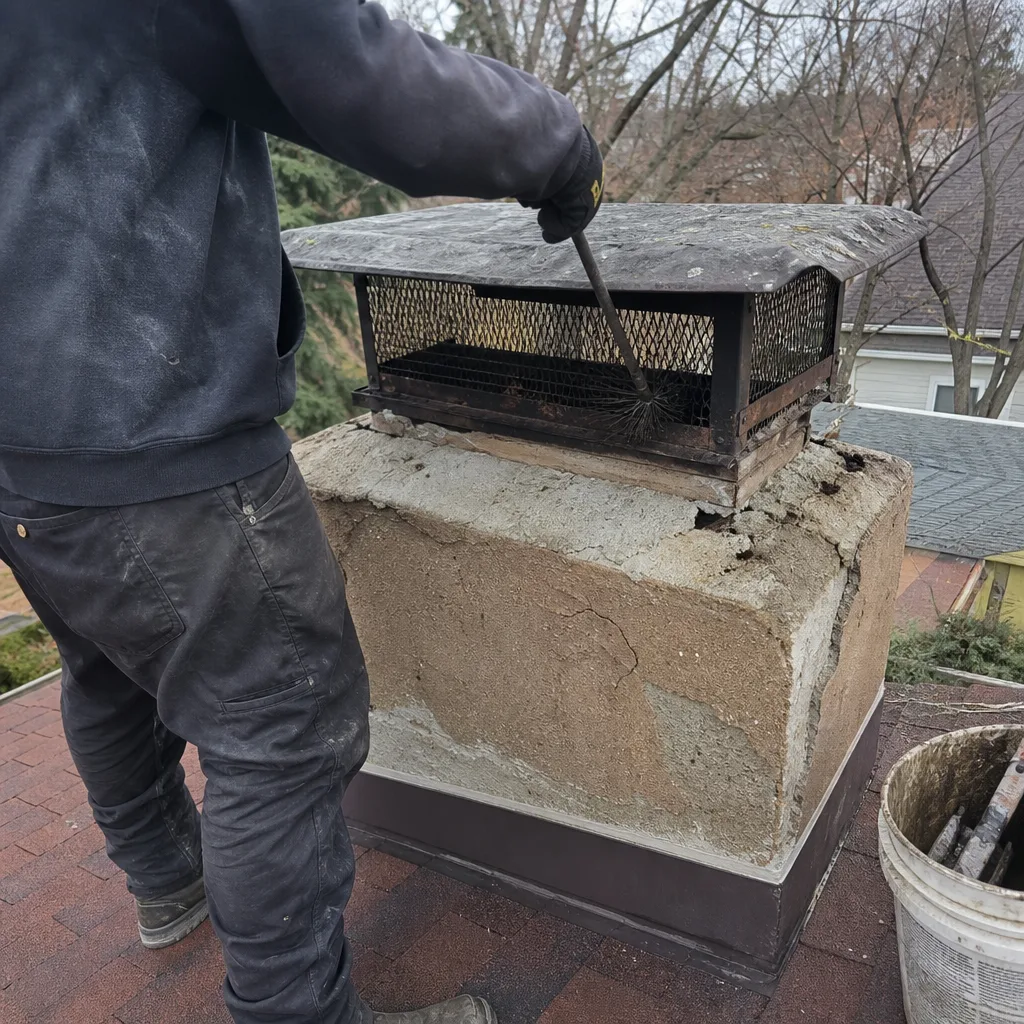 Before
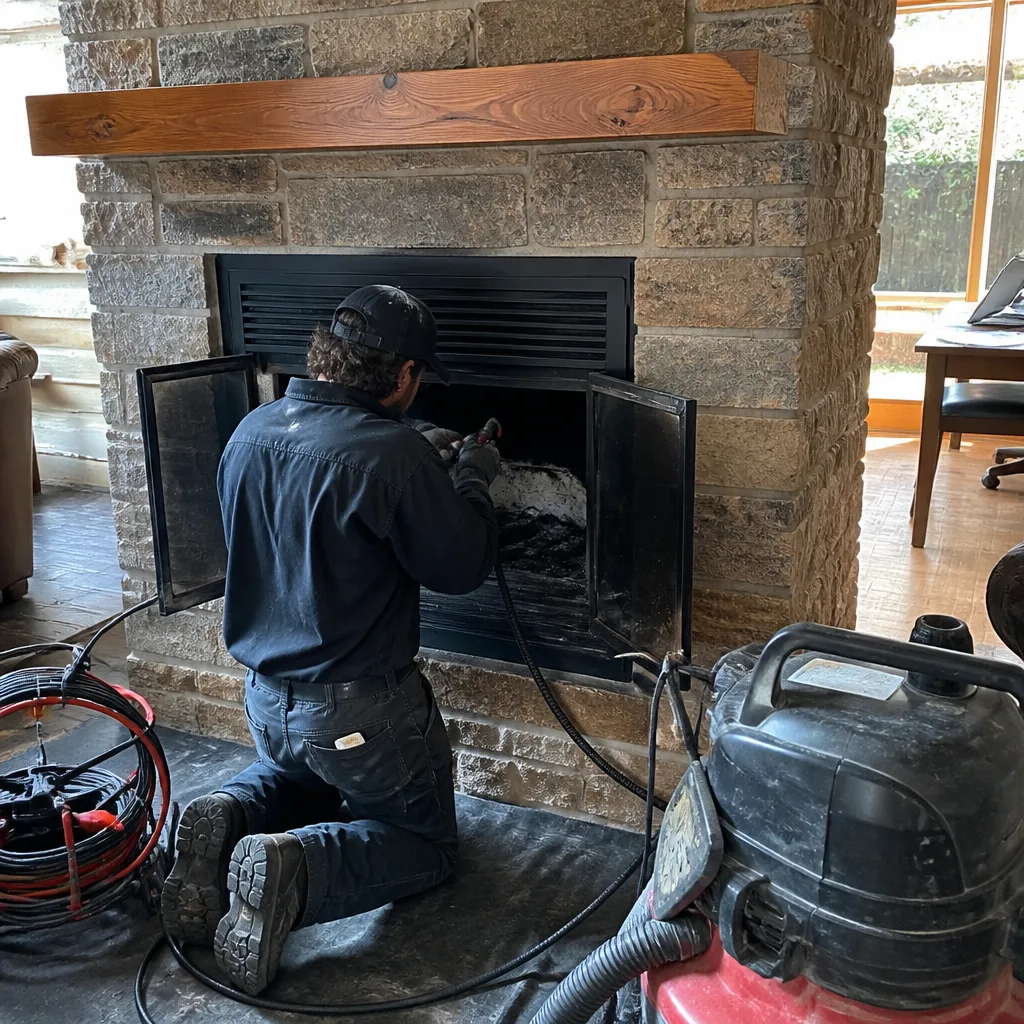 After
AfterChimney Cleaning Warning Signs: A Boulder Homeowner’s Reference Guide
The most dangerous chimney condition in Boulder - Stage 2 glazed creosote - produces almost no odor and no visible smoke problem until the flue temperature hits ignition point. By the time most homeowners notice a warning sign, the warning period has already passed. In our experience inspecting more than 38,000 chimneys since 2009, the homeowners who avoid emergencies aren’t the ones with sharper noses; they’re the ones who know what to look at, where to look, and what the texture and color actually mean. This guide shows you the specific visual, tactile, and seasonal indicators that signal trouble before it becomes urgent, with enough detail that you can locate the problem, describe it accurately, and photograph it usefully before calling. For The Complete Guide to Chimney Cleaning in Boulder and more guides & resources, see our blog.
Quick Answer
Chimney cleaning warning signs in Boulder fall into four categories: creosote buildup visible in the firebox (especially shiny, tar-like Stage 2 glaze), exterior masonry damage including white efflorescence or flaking spalling, draft symptoms that match damper or liner failure, and seasonal odors that shift from musty to sulfur to acrid as conditions worsen. Most of these signs appear before any emergency occurs, and all can be documented with a smartphone photo to improve estimate accuracy.
Table of Contents
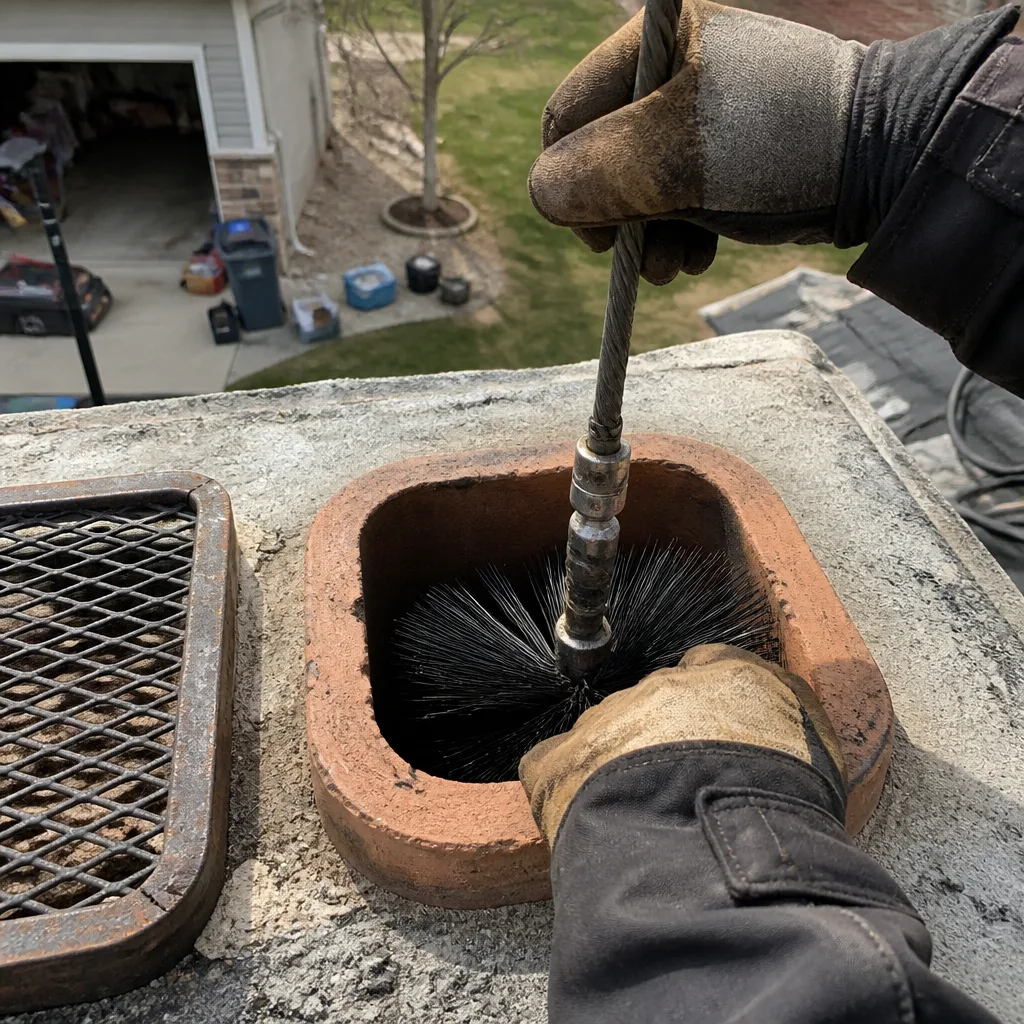
- Creosote Stages: What You’re Actually Looking At in the Firebox
- Exterior Water Damage: Reading the Masonry Like a Map
- Damper vs. Liner Failure: Two Problems, Identical Draft Symptoms
- Seasonal Odor Indicators: What July Sulfur Means vs. March Mustiness
- How to Photograph a Warning Sign Before Calling
- Boulder-Specific Risks: Elevation, Climate, and Code Context
- What Chimney Cleaning Costs in Boulder: A Price Breakdown
- Common Mistakes to Avoid
- When to Call a Professional
- Frequently Asked Questions
BeforeAfterCreosote Stages: What You’re Actually Looking At in the Firebox
Most warning sign guides tell you to “check for creosote buildup.” That’s not helpful unless you know what creosote looks like at each stage, because the action you take differs dramatically.
Stage 1: Soot - Fine, powdery, black or dark gray. Brushes off easily with a finger. This is normal after a season of use and is what a standard chimney cleaning removes. In Boulder, where many homeowners burn pine and fir from the Front Range, Stage 1 accumulates faster than with hardwood but cleans readily.
Stage 2: Glaze - Shiny, tar-like, brown to black, hard as enamel. This is the dangerous stage. It forms when smoke cools too quickly in the flue, condensing volatile compounds into a glassy layer. Stage 2 glaze is nearly impossible to remove with standard brushing; it requires rotary mechanical cleaning or chemical treatment. The critical detail: it produces almost no odor and doesn’t affect draft noticeably until it restricts airflow significantly. By the time you smell something wrong, you’ve likely got a serious restriction or active pyrolysis occurring.
Stage 3: Heavy Glaze or Carbonized Buildup - Thick, crusted, often alligator-skinned in texture. This is immediate fire hazard territory. The ignition temperature drops to approximately 450°F for heavy glazed deposits, versus 1,000°F+ for bare flue tile. A normal fire can ignite Stage 3 creosote.
Here’s what to do: shine a flashlight up the firebox opening and look at the flue walls. Stage 2 glaze reflects light with a subtle sheen, like wet asphalt in dim light. If you see that reflection, you need more than a standard sweep. You need a Chimney Cleaning & Sweep in Boulder that includes a Level 2 camera inspection to measure thickness and map the affected length.
We document creosote stage on every visit under Clause 4 of the Haven Standard, with photos showing the firebox view and the camera view from inside the flue. If you’re unsure what you’re seeing, text us a photo before booking. We’ll tell you whether you need standard cleaning, mechanical de-glazing, or something more involved.
Exterior Water Damage: Reading the Masonry Like a Map
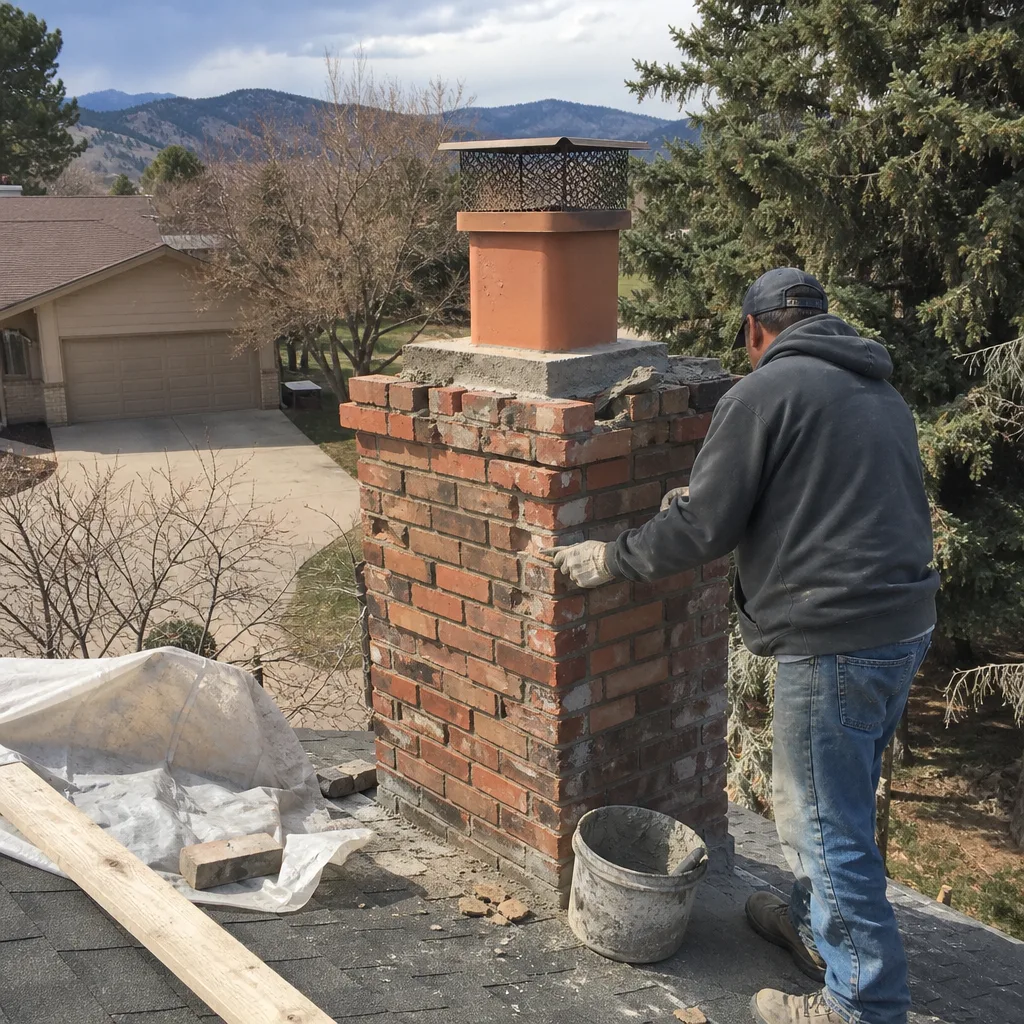
Water destroys chimneys from the outside in, and Boulder County’s freeze-thaw cycles - often 50+ degree swings in a single winter day - accelerate the damage dramatically. The location of visible damage tells you where water is entering and how long it’s been happening.
Efflorescence - White, powdery deposits on the exterior brick face, especially on the north and west sides where sun exposure is lowest. This is soluble salts leaching out as moisture moves through the masonry. Efflorescence itself isn’t structurally dangerous, but it proves water is moving through the brick. In Boulder’s older neighborhoods like Mapleton Hill and Newlands, we see this frequently on 1920s-era chimneys where the original lime mortar has degraded.
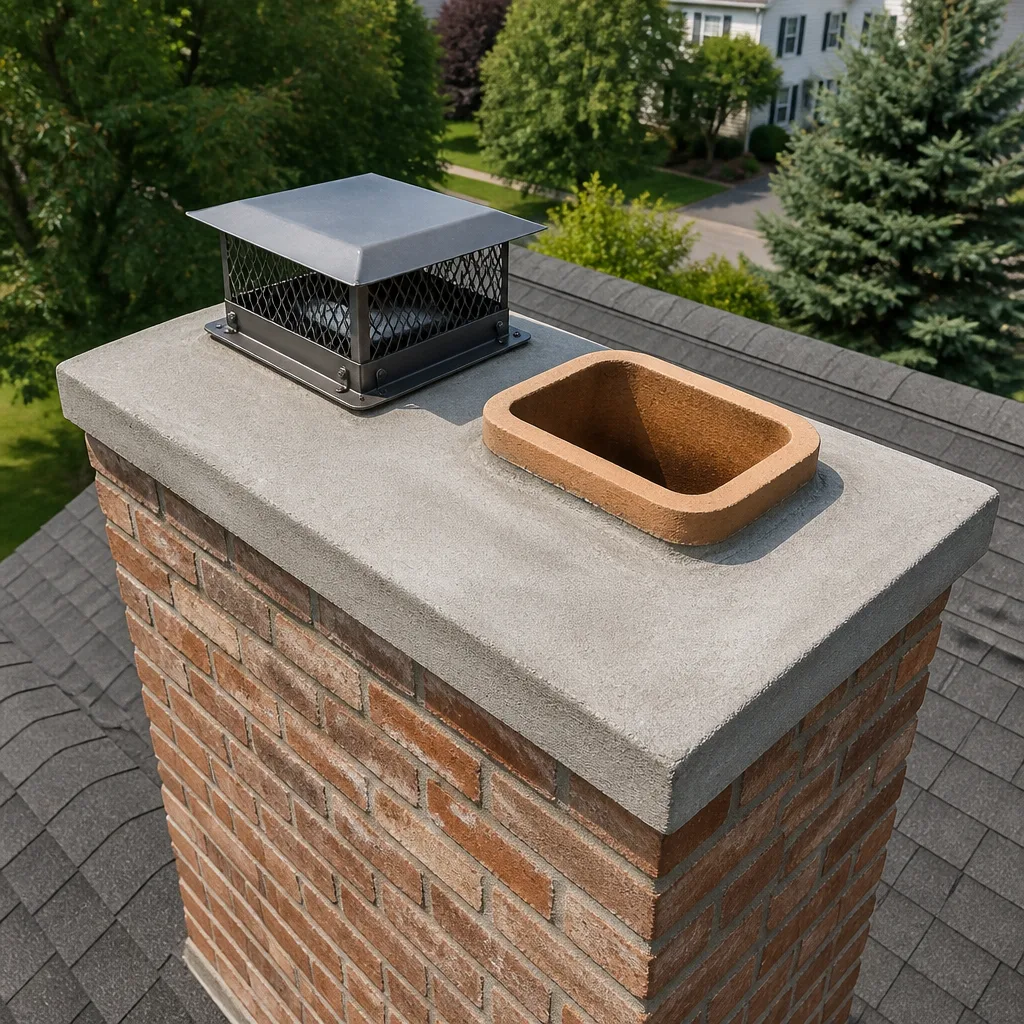
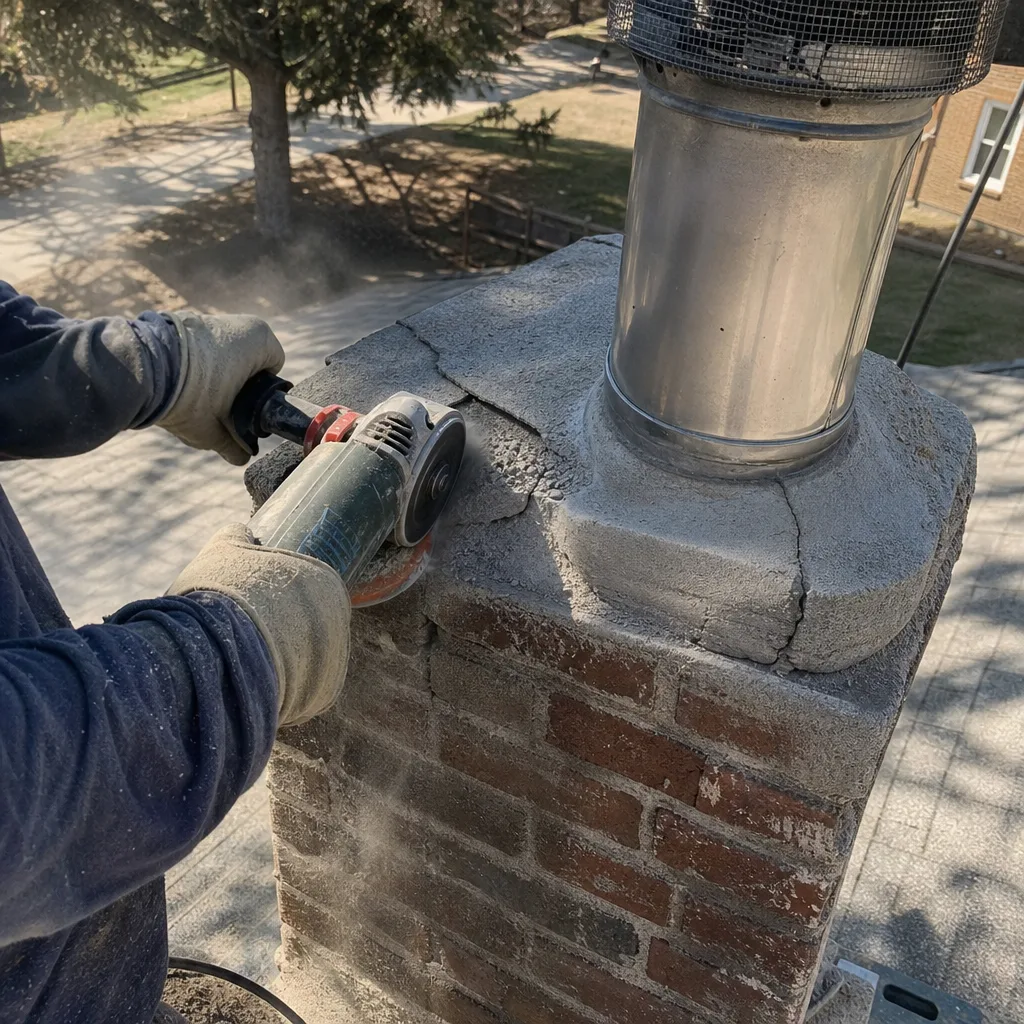
Spalling - Flaking, popping, or crumbling of the brick face. The pattern matters. Surface spalling in random patches usually indicates freeze-thaw damage to porous brick. Spalling concentrated at the crown (the concrete cap at the top) or in horizontal bands at the roofline suggests water pooling from a failed crown or missing cricket - the peaked diversion structure behind chimneys on sloped roofs.
Staining below the crown versus at the flue collar - Dark staining on the exterior masonry directly below the crown edge indicates crown cracking or poor crown-to-flue seal. Rust staining at the metal flue collar (the metal sleeve where the flue pipe exits) indicates condensation inside a metal liner or a failed liner connection. These two stains mean different repairs. Crown re-pouring or capping addresses the first; liner inspection and potential replacement addresses the second.
We source crown repair materials from Gelco and liner components from Olympia Chimney through our Haven buying network, specifically to keep material costs transparent and documented on your written estimate.
One Boulder-specific note: homes in the foothills above 6,000 feet experience more rapid crown deterioration due to increased UV exposure and wider temperature swings. If you’re in Martin Acres, Table Mesa, or any of the Pine Brook Hills properties, inspect your crown annually, not biennially.
Damper vs. Liner Failure: Two Problems, Identical Draft Symptoms
This is where most homeowners and even some sweeps get confused. A leaking damper and a cracked flue liner can produce the exact same symptoms: smoke spillage at fire start, difficulty establishing draft, cold air falling into the firebox when not in use, and the smell of fireplace smoke in upstairs rooms hours after the fire is out.
Here’s how to distinguish them before anyone brings a camera up the flue.
The Damper Test Sequence
- Visual inspection with flashlight - Look up from the firebox. A throat damper (the metal plate above the firebox) should seat flat and level when closed. Look for gaps of more than 1/8 inch at the edges, warping that creates a visible bow, or rust scaling that prevents full closure. Top-sealing dampers (mounted at the chimney cap) can’t be seen this way; skip to step 3.
- Operation feel - Open and close the damper fully. It should move smoothly through its range with consistent resistance. Grinding, catching, or a “loose” feeling where the handle wobbles without moving the plate indicates mechanism failure. In Boulder homes built 1960-1990, we commonly see damper frames rusted through at the pivot points from condensation cycling.
- The tissue test - With the damper closed and no fire, hold a tissue at the firebox opening. A leaking throat damper usually lets the tissue flutter or drift upward slightly. A properly sealed damper with a cracked liner above it won’t show this; the leak is too high.
- The cold downdraft test - On a cold, still morning, feel for air falling from the fireplace. A strong, steady cold flow usually indicates a liner breach or missing cap allowing direct outside air entry. Intermittent or weak cold flow suggests damper leakage.
The critical point: both conditions require different repairs. A damper replacement runs $400-$800 in the Boulder market. A liner repair or replacement starts around $2,500 and can exceed $5,000 for a full stainless steel liner with insulation. You don’t want to pay for the wrong one.
Our Chimney Repair in Boulder process starts with a Level 2 camera inspection - Clause 4 of the Haven Standard - so we show you exactly where the failure is before quoting either repair. We’ve had customers bring us competitor quotes for full liner replacement when the problem was a $450 damper assembly. That’s why we offer a Free Second Opinion on any written estimate.
Seasonal Odor Indicators: What July Sulfur Means vs. March Mustiness
Chimney odors change with temperature and humidity because the air pressure differential between your house and the flue changes seasonally. The specific smell tells you what’s happening chemically inside the system.
Sulfur or rotten-egg smell in July - This is almost always active moisture reacting with creosote deposits, producing hydrogen sulfide and sulfur dioxide compounds. The combination of Boulder’s summer monsoon moisture and 90°F+ attic temperatures creates ideal conditions for this reaction. It means you have significant creosote load plus water entry. The creosote is acting like a sponge, and the bacterial-chemical breakdown is producing acids that deteriorate the flue liner.
Musty, earthy smell in March - This is mold or mildew in the smoke chamber or on the firebrick, usually from a slow water leak that hasn’t dried over winter. The smell intensifies as outside temperatures rise and convection begins moving air upward again. In Boulder, where March can still bring heavy snow followed by rapid 60°F thaws, we see this pattern frequently in homes with cracked crowns or missing chimney caps.
Acrid, sharp smoke smell during burn season - This can be normal for the first fire if the damper was left open and dust settled in the flue. But if it persists past the second fire, or if you smell it in bedrooms above the fireplace, it indicates incomplete combustion gases entering the house. Possible causes: partial flue blockage, liner breach allowing spillage at a crack, or negative house pressure from exhaust fans competing with the chimney. This is the one to act on fastest. Carbon monoxide risk exists any time combustion gases enter living space.
Sweet, tarry smell anytime - Fresh creosote volatiles. Normal after a hot fire. Abnormal if persistent when no fire has burned for days. Indicates heavy buildup near the flue outlet where temperatures stay highest.
If you smell any of these and can’t locate the source, don’t air-freshener your way through it. The odor is information. Document when it occurs, which rooms detect it, and whether it correlates with weather changes. That history helps us diagnose faster when you call.
How to Photograph a Warning Sign Before Calling
Sending a useful photo before your appointment changes estimate accuracy significantly. We’ve given phone quotes within $50 of final price because the homeowner sent photos that showed exactly what we were walking into. Here’s how to take them.
Firebox and Creosote Photos
- Angle - Kneel at the hearth. Hold the camera at firebox floor level, angled upward at approximately 30 degrees. This shows the back wall, side walls, and the damper/throat area in one frame.
- Lighting - Use your phone’s flashlight, not room light. Aim it up the flue opening, not at the camera. The goal is to show texture and reflection on creosote deposits.
- Include in frame - The full firebox opening, the lintel (the metal or brick arch at the top of the opening), and at least 12 inches of hearth in the foreground. This gives scale. A close-up of “black stuff” is useless without scale.
- Second shot - Move closer and focus on the most concerning area, but keep some reference edge in frame (the firebrick corner, the damper frame).
Exterior Masonry Photos
- Angle - Stand far enough to show the chimney in context: roofline, adjacent wall, ground level. For spalling or staining, take one wide shot and one close-up.
- Lighting - Early morning or late afternoon, with sun hitting the damaged surface at an angle. Direct overhead sun washes out texture. North-facing chimneys may need flash even in daytime.
- Include in frame - The roof pitch behind the chimney (shows whether a cricket should exist), the crown edge, and any flashing visible at the base. For efflorescence, include the ground or foundation to show height.
Damper Operation Video (15 seconds)
Open and close the damper while filming from the firebox floor. The sound and motion tell us mechanism condition. Upload to text or email; we don’t need high resolution, just clear motion.
When you text photos to (970) 598-0453, we respond with what we’re seeing and whether you’ll need standard cleaning, Level 2 inspection, or repair evaluation. No charge for the look, and it means we arrive with the right equipment and the right materials from HeatShield or Famco if repair is likely.
Boulder-Specific Risks: Elevation, Climate, and Code Context
Boulder County’s building environment creates chimney conditions you won’t find in sea-level or humid-climate guides.
Elevation and draft - At 5,430 feet, air density is approximately 15% lower than at sea level. Chimneys draft less strongly by default. A flue that would perform adequately at 1,000 feet may spill smoke at Boulder’s elevation, especially with modern airtight construction. This means draft symptoms that would indicate blockage at sea level may simply indicate undersizing here. Our Level 2 inspections include draft measurement with a manometer, compared against NFPA 211 tables adjusted for elevation.
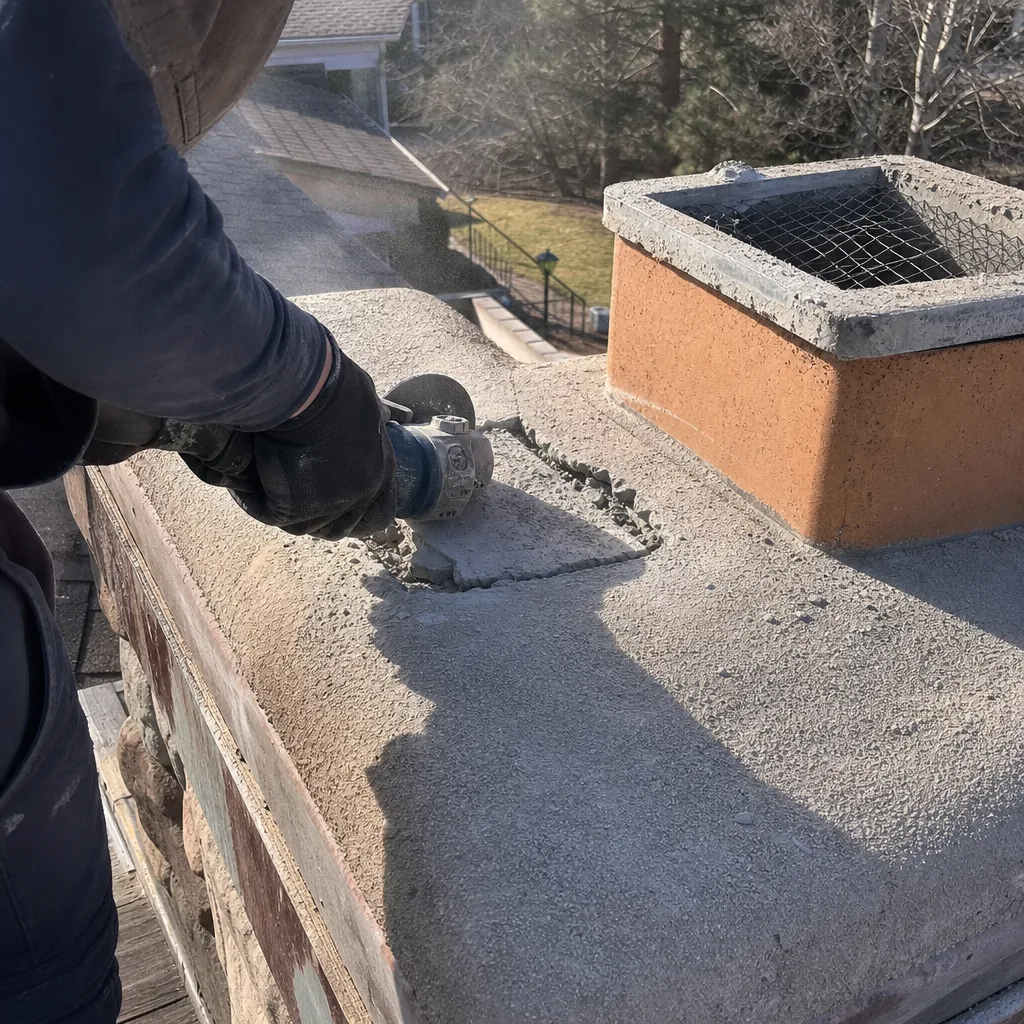
Freeze-thaw cycling - Boulder’s winter temperature swings regularly exceed 40°F in 24 hours. Water trapped in masonry expands and contracts aggressively. We’ve replaced crowns in North Boulder that failed after three years because the original pour used non-air-entrained concrete unsuitable for Front Range conditions. Our crown repairs specify air-entrained mix with proper slope and drip edge - details that matter here more than in stable climates.
Wildfire and insurance requirements - Several Boulder insurers now require documented chimney inspection before policy renewal in fire-prone zones, including parts of Sunshine Canyon and Fourmile Canyon. Our inspection reports meet these documentation requirements, with photo records stamped under Clause 4 of the Haven Standard.
Local fuel sourcing - Boulder homeowners often burn wood from beetle-kill pine salvage, which is abundant and inexpensive. It burns fast and hot with high resin content, producing more creosote per BTU than hardwood. If you’re burning salvage pine, you need more frequent cleaning - not because you’re doing anything wrong, but because the fuel chemistry differs from oak or maple.
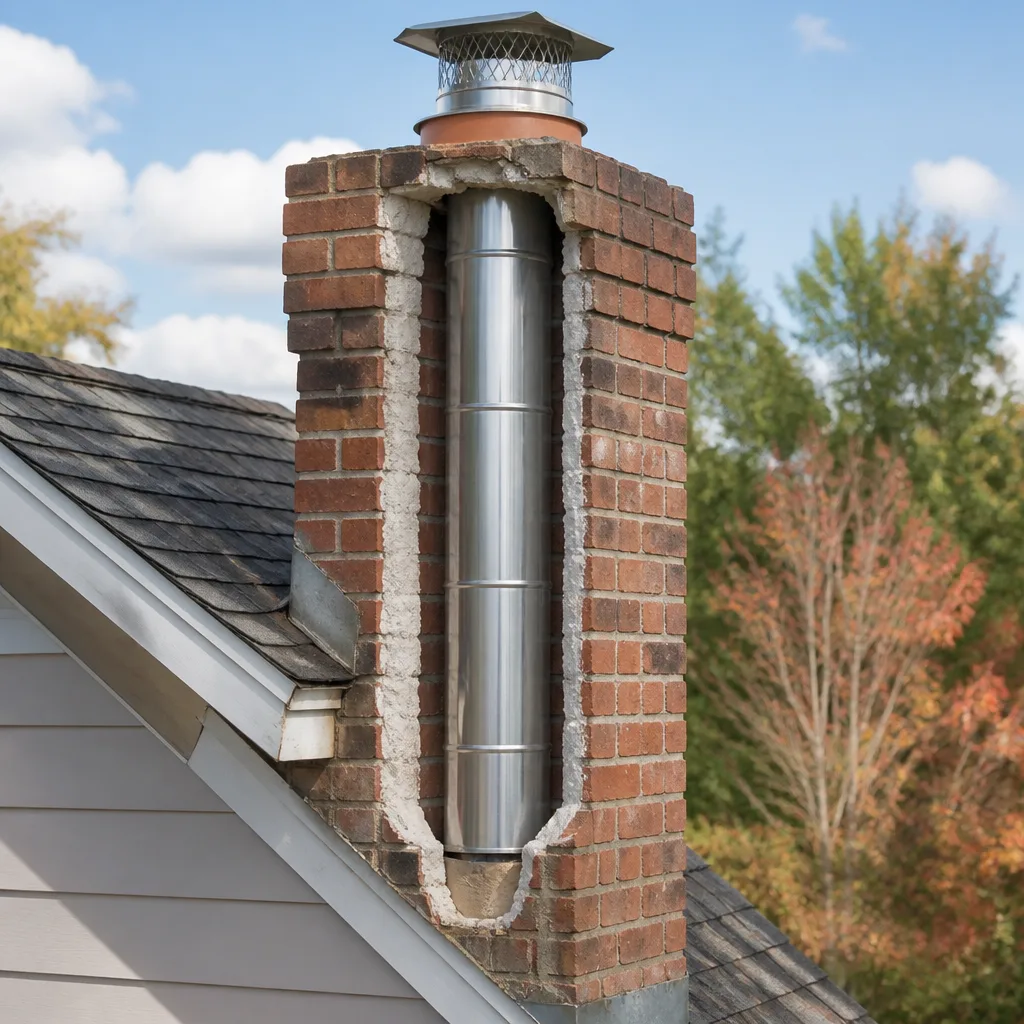
Neighborhood construction eras - In Gunbarrel and Heatherwood, 1970s-1980s construction often used zero-clearance fireplaces with factory-built metal chimneys. These systems have different failure modes than masonry: joint separation in the metal flue, deterioration of the chase cover, and internal water damage hidden by exterior siding. If your home dates to this era and you’ve never had the chase opened for inspection, that’s a priority.
What Chimney Cleaning Costs in Boulder: A Price Breakdown
We put prices on the page because “call for a quote” wastes your time and ours. Here’s what chimney cleaning and related services cost in the Boulder market as of 2024, based on our actual written estimates.
| Service | Typical Range | What Affects Price |
|---|---|---|
| Standard chimney sweep (Level 1, fireplace) | $199-$279 | Accessibility, roof pitch, amount of ash/debris |
| Chimney sweep with Level 2 camera inspection | $299-$389 | Flue height, number of flues, liner type |
| Mechanical de-glazing (Stage 2 creosote) | $450-$650 | Linear feet affected, flue diameter, access |
| Crown repair (minor crack sealing) | $350-$550 | Crown size, number of cracks, height/access |
| Crown rebuild (full pour) | $1,200-$2,100 | Dimensions, forming complexity, liner termination |
| Damper replacement (throat) | $450-$850 | Firebox dimensions, original vs. retrofit |
| Stainless steel liner installation | $2,800-$5,500 | Flue length, diameter, insulation requirements, number of appliances |
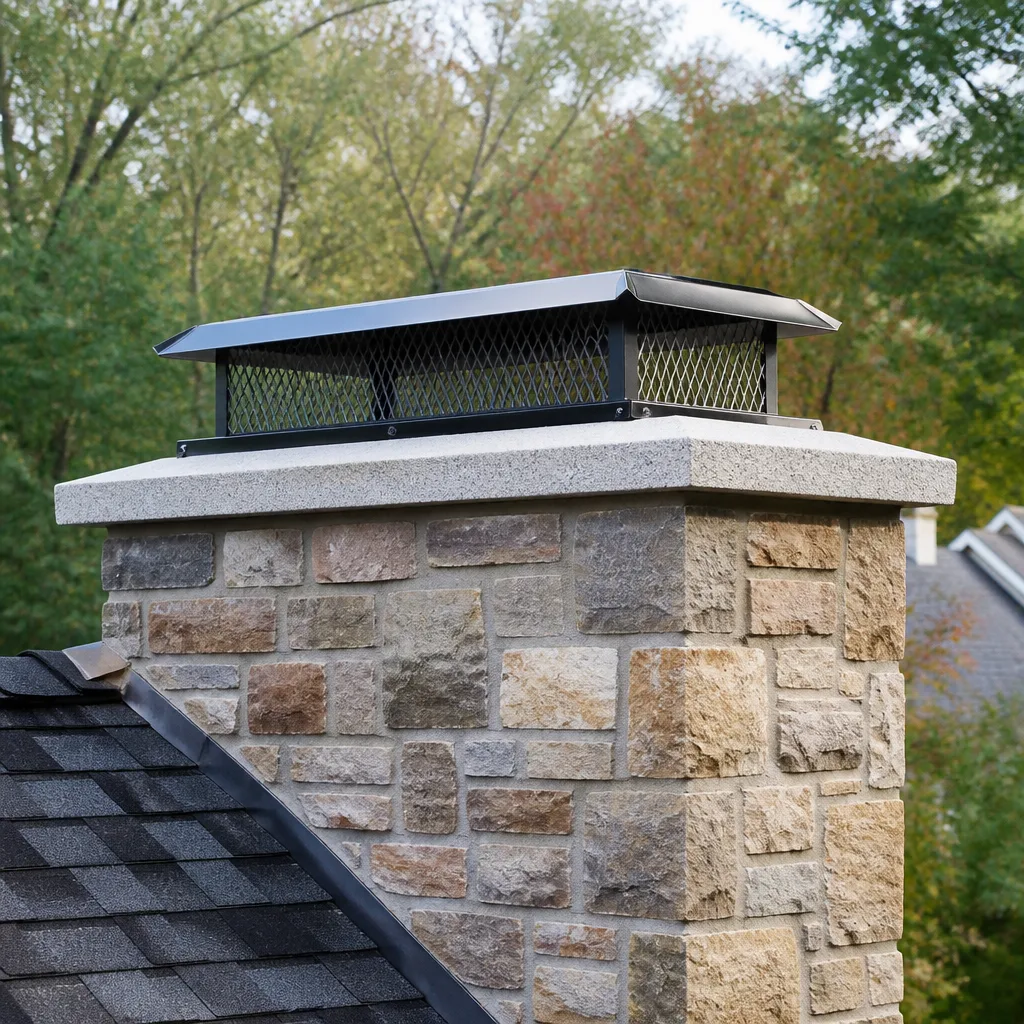
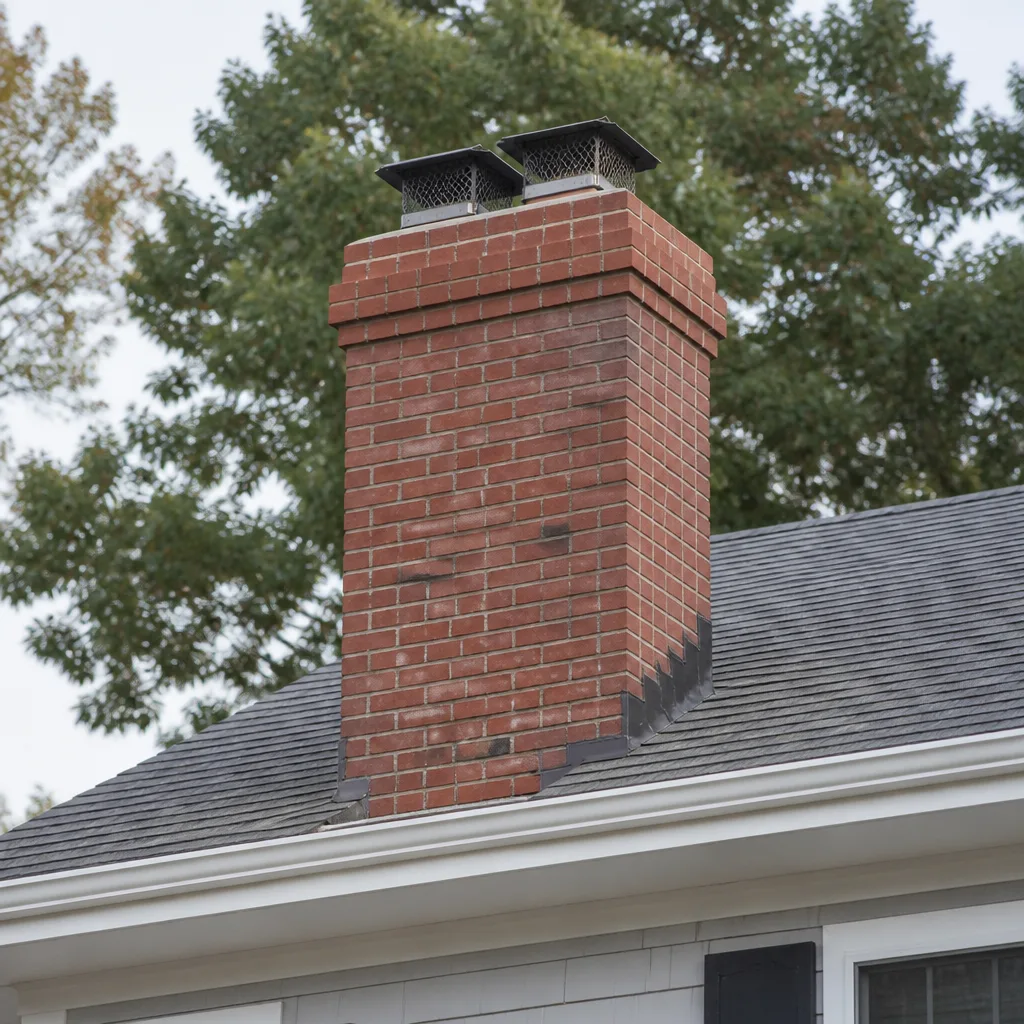
| Chimney cap installation | $275-$550 | Flue count, cap material (galvanized vs. stainless vs. copper), screen mesh |
Every estimate we deliver is written, itemized, and delivered before work starts - Haven Standard Clause 1. No exceptions. If a competitor gives you a lower number verbally, bring us their written estimate. Our Free Second Opinion compares scope line by line. We’ve found that “cheaper” quotes often omit the camera inspection, exclude debris removal, or specify galvanized caps with 5-year lifespans versus stainless with 20+.
For Fireplace Services in Boulder that include insert maintenance, gas conversion evaluation, or hearth modification, pricing varies with appliance type. We quote these after visual inspection, still in writing before any work.
Common Mistakes to Avoid
- Waiting for smoke in the room - Smoke spillage is a late-stage symptom, not an early warning. By the time smoke enters your living space, you likely have significant blockage, liner damage, or pressure imbalance. Schedule inspection at the first draft change, not the first smoke event.
- Assuming no odor means no problem - Stage 2 glazed creosote, the most common chimney fire precursor in Boulder, produces minimal odor. The absence of smell proves nothing. Visual inspection and camera documentation are the only reliable indicators.
- Using the firebox ash dump as a regular disposal - Ash dumps in older Boulder homes (common in Mapleton Hill and Whittier) often terminate in basement ash pits that are no longer maintained. Accumulated ash blocks airflow, retains moisture against the foundation, and can conceal smoldering material for days. Remove ash to a metal container; don’t use the dump.
- Hiring based on “sweeping” alone without inspection - A brush run without camera documentation is maintenance theater. You cannot verify creosote removal, liner condition, or proper clearance without visual evidence. Clause 4 of the Haven Standard exists because we stopped performing sweeps without documentation in 2009.
- Ignoring summer odors - That sulfur smell in July means active chemical breakdown is occurring. Waiting until October “when we’ll use it again” lets moisture and acid work for three more months. Summer is the optimal repair season; crews are available, materials cure properly in warm weather, and you’re not competing with emergency calls during first-fire season.
- Photographing without scale reference - A close-up of “cracked brick” tells us nothing. Include the roofline, adjacent bricks, or your hand in frame. We need to judge whether we’re looking at a hairline surface crack or a structural split through the wythe.
- Accepting verbal estimates - “About three hundred, maybe four if it’s bad” is not an estimate. It’s a guess that becomes “well, once we got in there” at invoice time. Written price, written scope, written warranty - Clause 1 - before anyone starts.
When to Call a Professional
Call when you can document any of the following: shiny glazed deposits in the firebox, exterior masonry changes from last year, damper operation that feels different, or odors that correlate with weather. Don’t wait for an emergency. In Boulder, first-fire season runs mid-September through October; our schedule fills by late August for routine work.
Emberly Chimney Cleaners Boulder offers free estimates in Boulder - call (970) 598-0453. A live person answers 24 hours a day. We’ll review any photos you’ve taken, schedule a Level 2 camera inspection if indicated, and deliver a written price before any work begins. If you have a competitor’s written estimate, we’ll provide a Free Second Opinion with scope comparison.
Frequently Asked Questions
A standard chimney sweep in Boulder costs $199-$279 for a single fireplace flue with Level 1 inspection, or $299-$389 when bundled with a Level 2 camera inspection and documented photo record. Mechanical de-glazing for Stage 2 creosote runs $450-$650. Call (970) 598-0453 for an exact quote - estimates are free.
You need a new liner if the existing one is cracked, separated, or deteriorated to the point that combustion gases can enter wall cavities or living space. Cleaning cannot repair structural liner failure. Our Level 2 camera inspection shows you the actual condition - we don’t recommend replacement without photo evidence you can see for yourself, and we’ll tell you plainly when cleaning alone is sufficient.
NFPA 211 recommends annual inspection for all chimney systems, with cleaning frequency determined by creosote accumulation. In Boulder, homes burning pine or fir typically need annual cleaning; hardwood burners may extend to every two years if inspection shows minimal buildup. Zero-clearance fireplaces and pellet stoves have manufacturer-specific intervals that may differ.
Skipped cleaning allows creosote to progress from manageable soot to glazed deposits that restrict airflow, accelerate corrosion, and ignite at lower temperatures. In Boulder, we’ve documented chimney fires in homes that skipped just two seasons of maintenance, particularly where beetle-kill pine was the primary fuel. The fire may be contained to the flue or may extend to framing through cracks; either outcome is avoidable with scheduled maintenance.
Summer heat and humidity activate chemical and biological processes that winter cold suppresses. Moisture in creosote produces sulfur compounds; moisture in masonry supports mold growth. The smell is information about what’s happening inside the system. A July odor that disappears in October hasn’t resolved - it’s merely dormant.
A flashlight and mirror show you the firebox and lower flue, which is useful for spotting obvious creosote buildup or damper damage. You cannot see the full flue length, smoke chamber, or liner condition without a camera system. We encourage homeowners to look - it helps you describe symptoms accurately - but we don’t rely on homeowner inspection for safety determinations. The camera documentation under Clause 4 of the Haven Standard exists because some failures are invisible from below.
Level 1 is visual examination of readily accessible portions - what you can see from the firebox and roof without tools. Level 2 includes video scanning of the full flue interior, smoke chamber, and accessible portions of the appliance and connection, plus inspection of attics, crawl spaces, and basements where chimney pass-throughs exist. Level 2 is required for real estate transactions, after chimney fire or lightning strike, and whenever changes to the system are planned. Emberly Chimney Cleaners made Level 2 the default standard in 2009, years before it became common practice.
The Bottom Line
Chimney warning signs are most useful when they’re specific enough to act on. Know what Stage 2 creosote looks like: shiny, tar-like, enamel-hard. Know that exterior stains map to specific failure points - crown, flashing, or liner. Know that damper and liner problems feel identical from the firebox but require very different repairs. Document what you see with useful photos, and understand that seasonal odors are chemical signals, not nuisances to mask.
In Boulder, our elevation, freeze-thaw cycles, and common fuel types create conditions that generic advice misses. The homeowners who avoid emergencies aren’t guessing - they’re looking at the right things, at the right time, with enough precision to communicate accurately.
If you’ve noticed something that doesn’t match last year’s condition, or if you’re approaching your first fire season in a new Boulder home, call (970) 598-0453. We’ll review your photos, schedule inspection if indicated, and give you a written price before any work starts. Every job carries the 365-Day Done Right Promise and the documented photo record required by Clause 4 of the Haven Standard.
Written by Corrine Halstead, Owner at Emberly Chimney Cleaners Boulder, serving Boulder since 2009.