
Last updated September 22, 2026
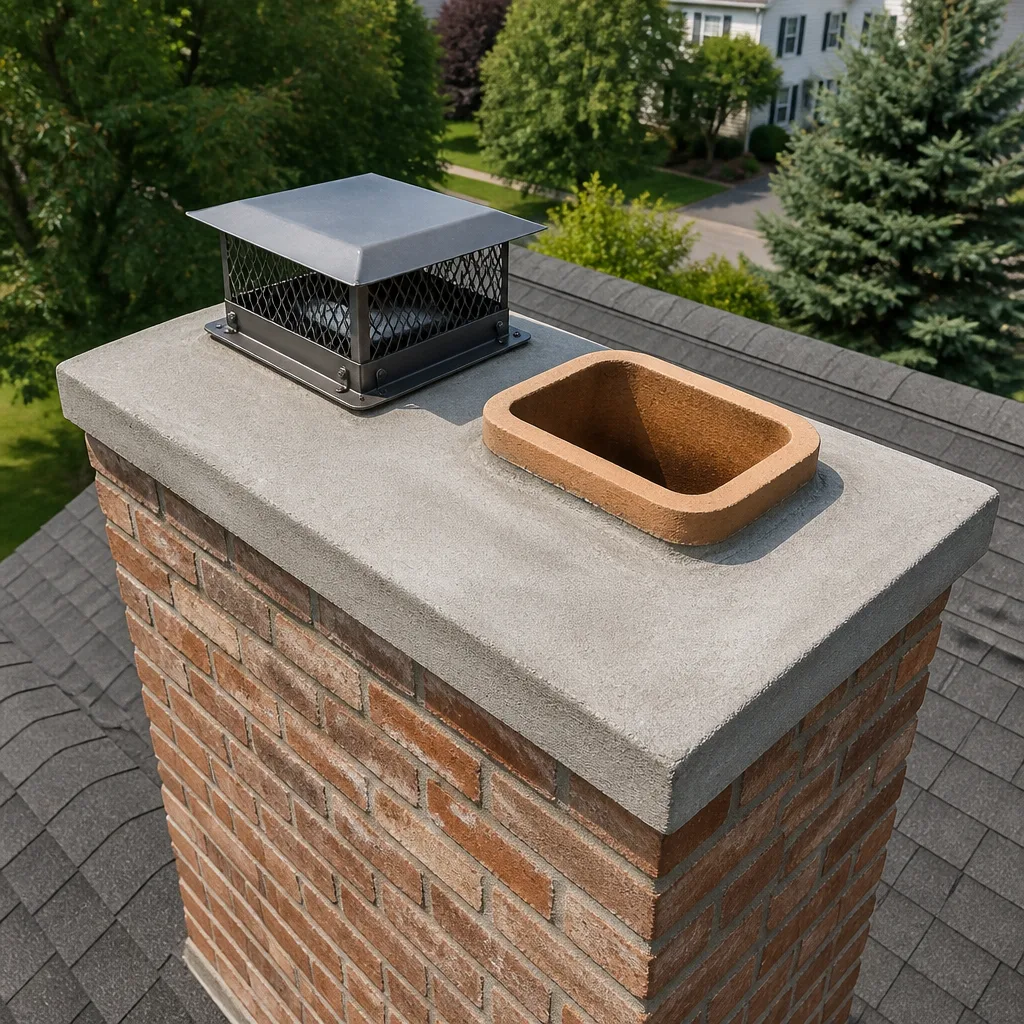
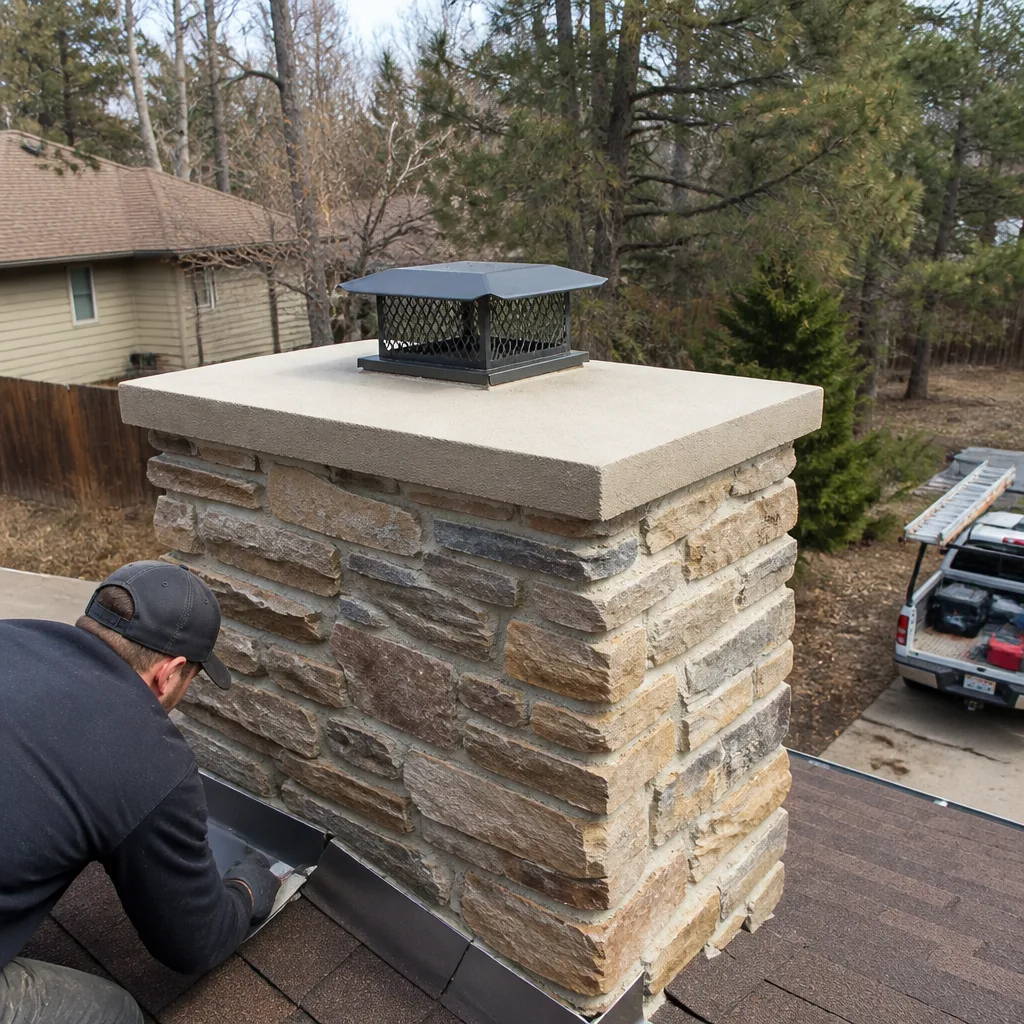
Level 1 sweep and inspection to the NFPA 211 annual standard - flue, crown, cap, and flashing checked and photographed
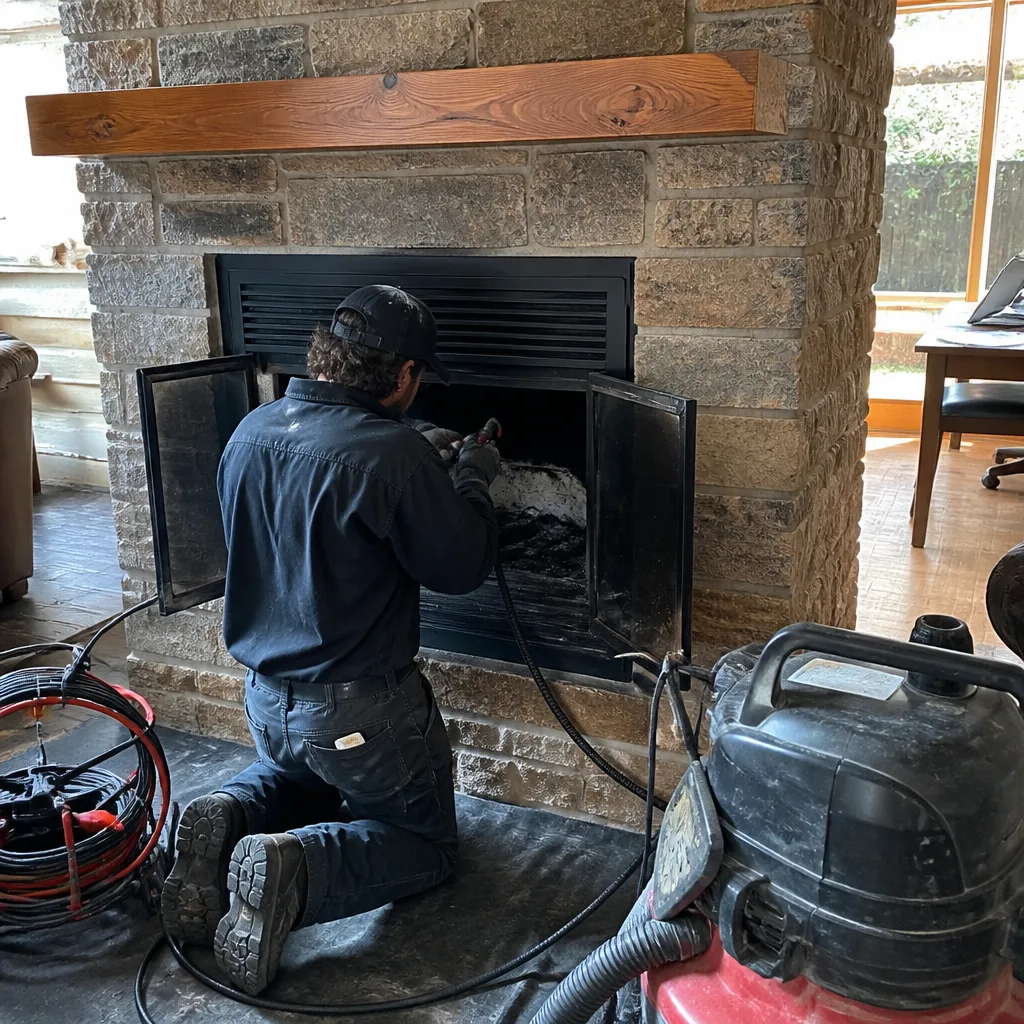
Chimney sweep logs do not sweep chimneys. They loosen some creosote - which then falls where a brush and vacuum still have to collect it.
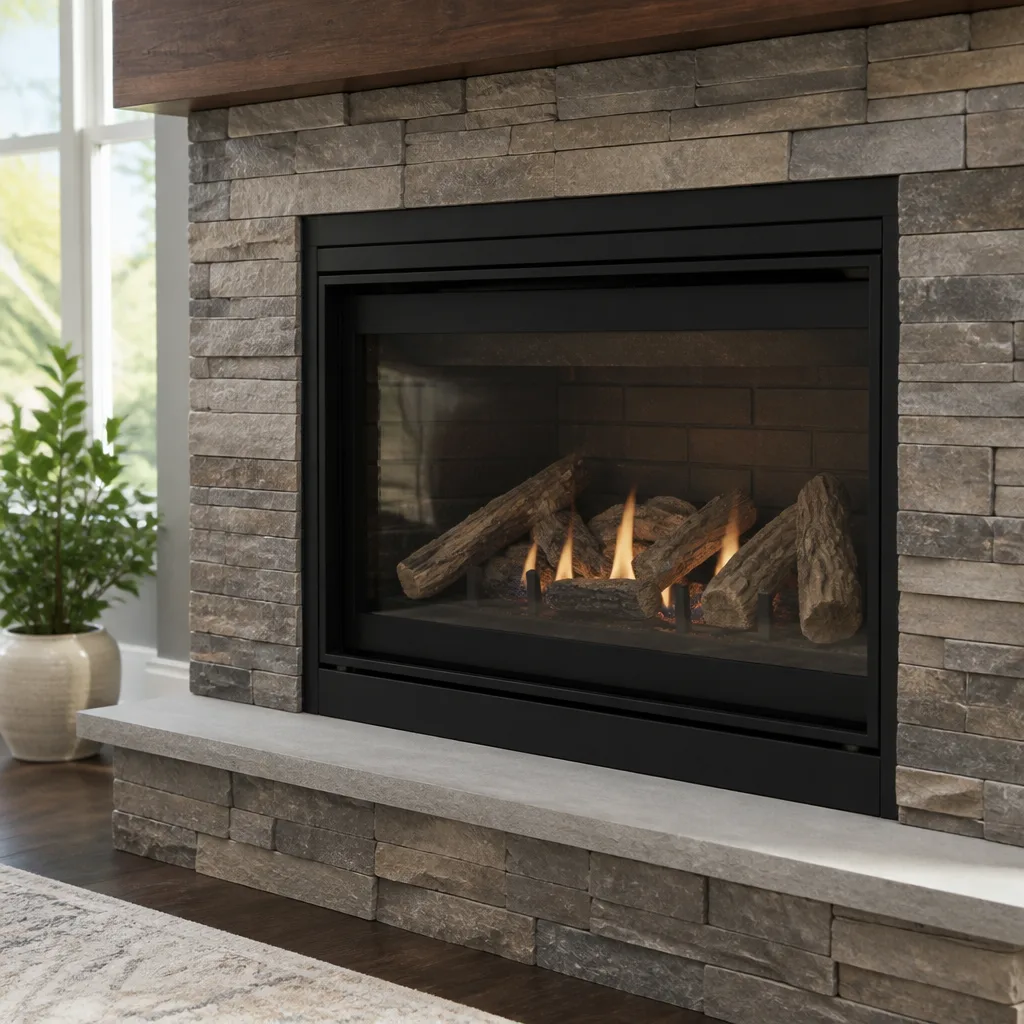
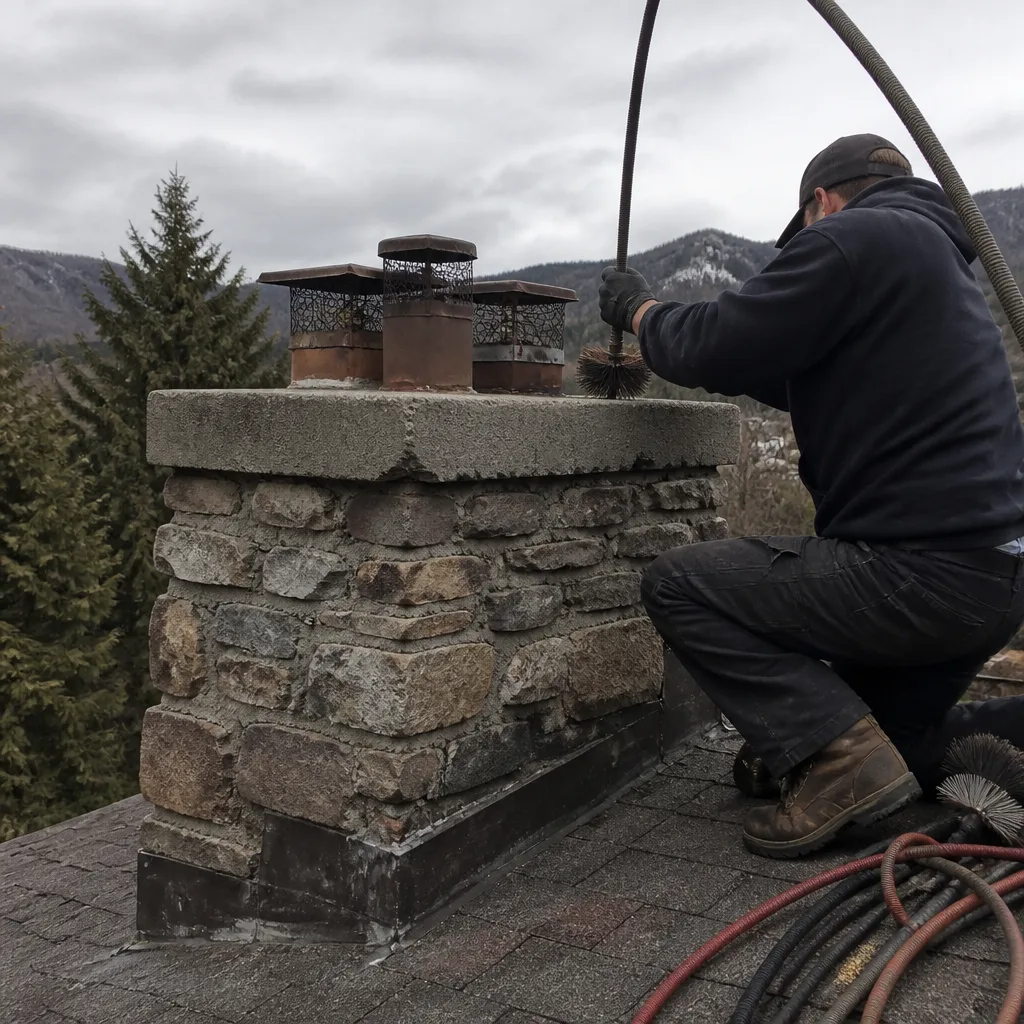 Before
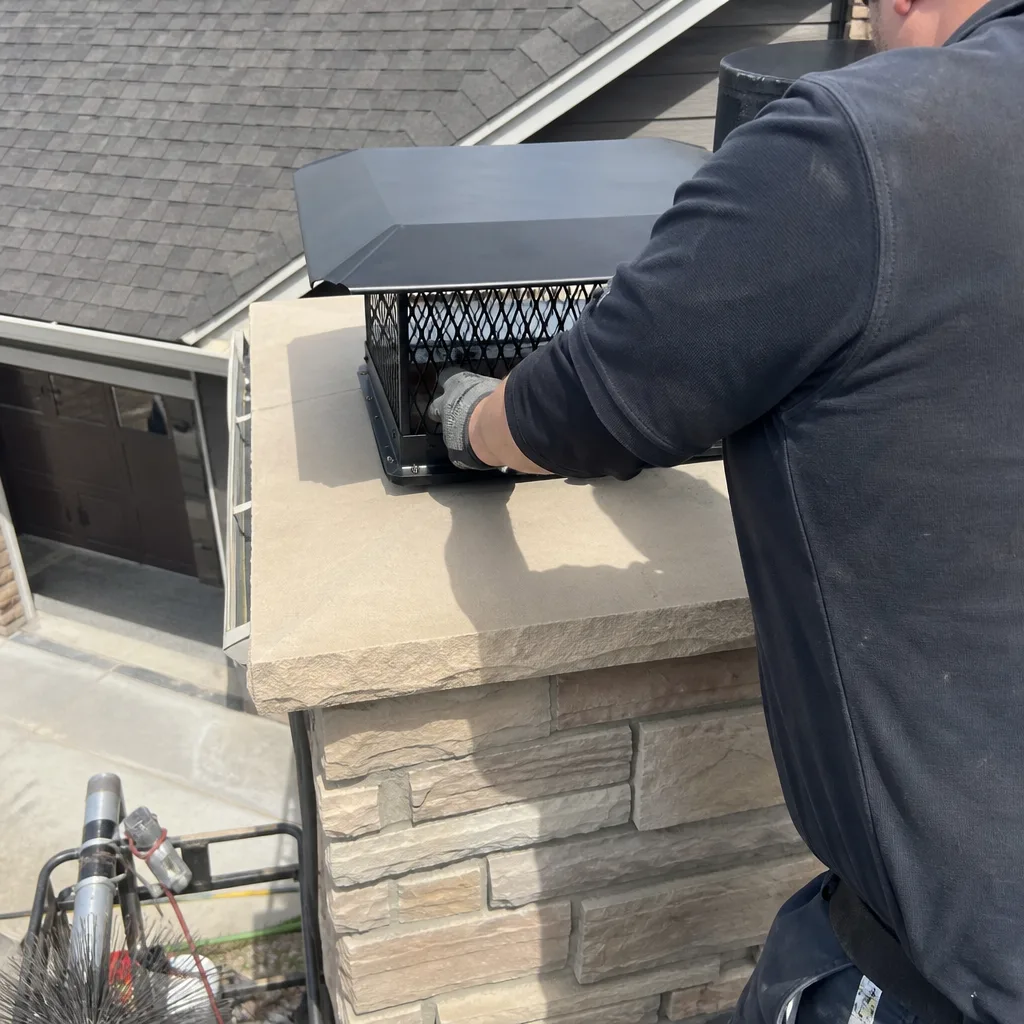 After
After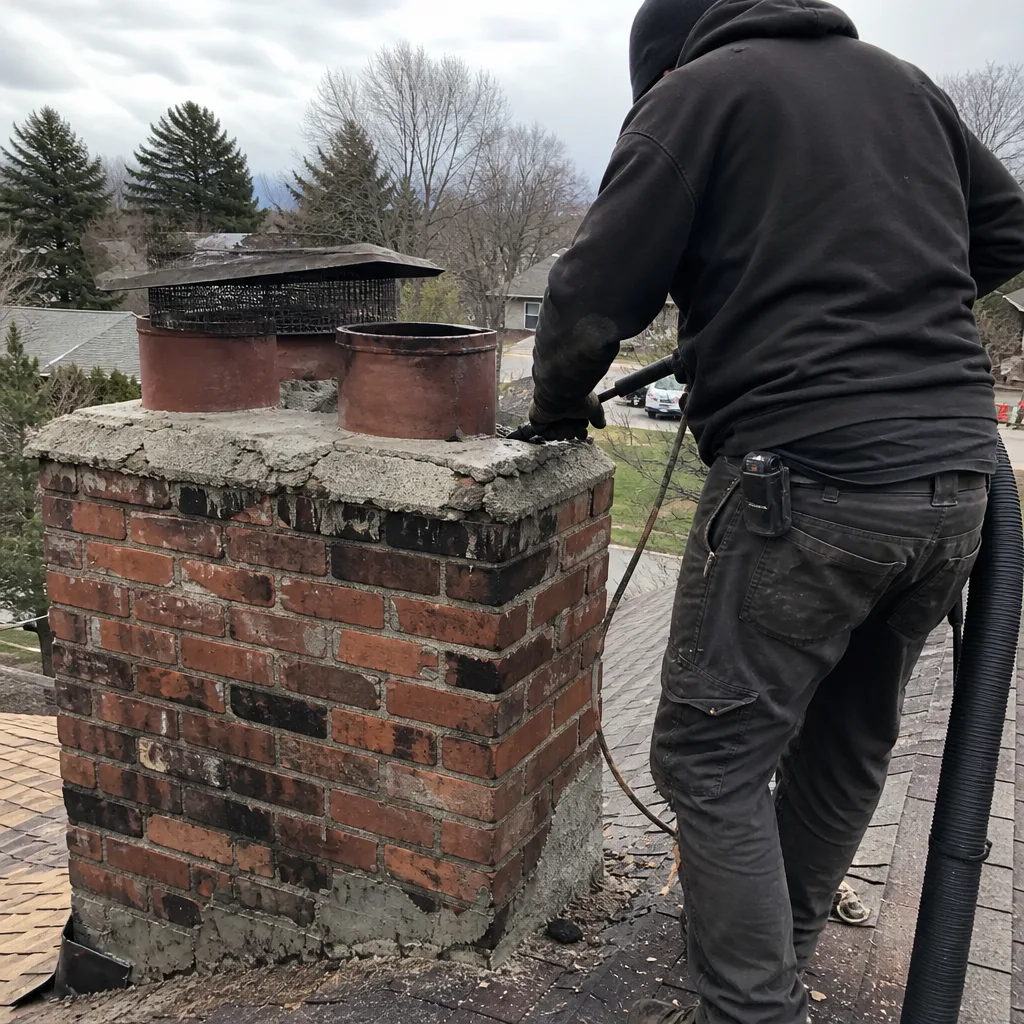 Before
 After
After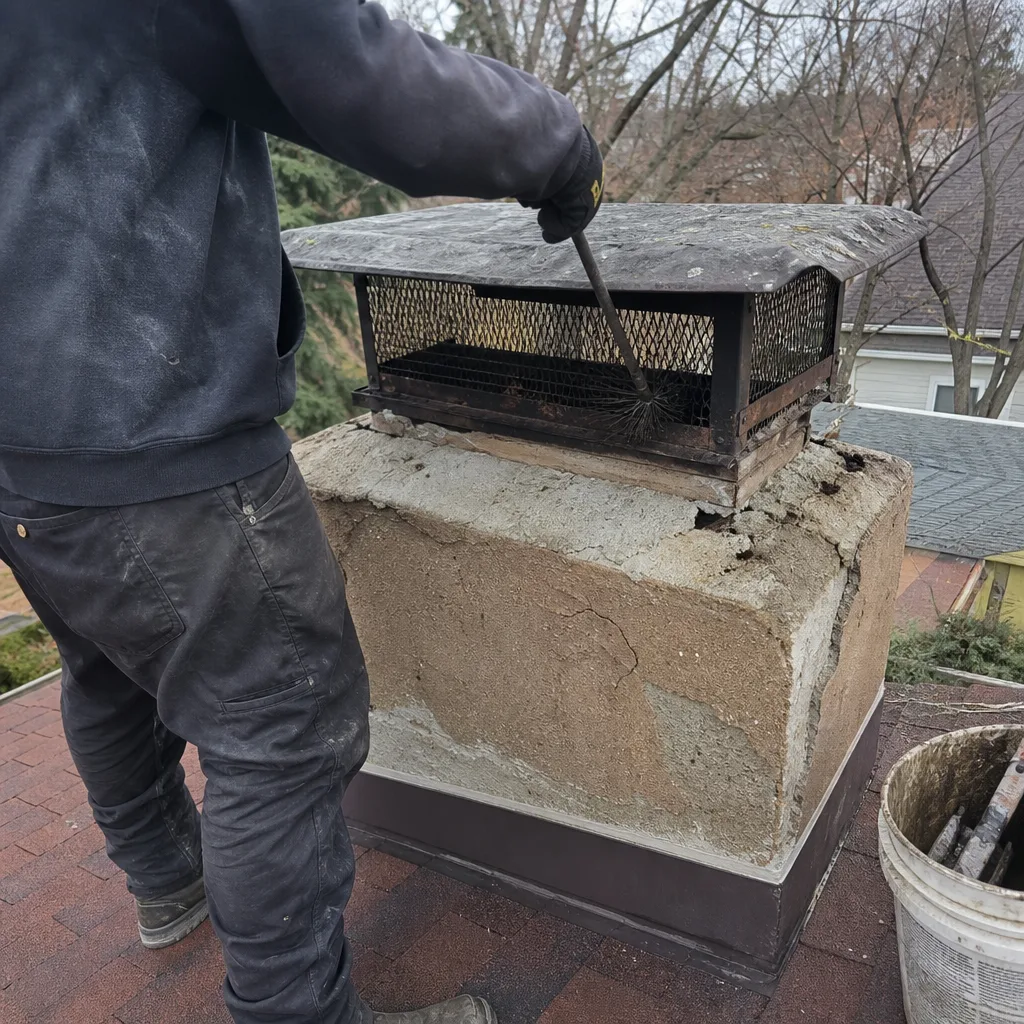 Before
 After
AfterChimney Cleaning & Sweep Maintenance Checklist for Boulder Homeowners
Here’s a number that stops homeowners cold during closing: 34% of Boulder County real estate transactions in 2023 hit a delay because the seller could not produce written documentation of their last chimney inspection. Not because the chimney failed, but because there was no record it had ever been checked. In a market where buyers arrive with inspection checklists and insurance underwriters ask for NFPA 211 compliance dates, a verbal “yeah, we get it swept” is worth nothing. This guide, alongside our The Complete Guide to Chimney Cleaning in Boulder, is built around what you should hold in your hand after every service visit, not just what gets done to your flue. We’re going to walk through the exact documentation, the Boulder-specific wear patterns our crews document in Table Mesa and North Boulder, and how to keep a chimney record that transfers cleanly at resale.
Quick Answer
A complete chimney maintenance checklist for Boulder homeowners produces three documents: a written price and scope before work starts, a written findings report with camera images after, and a dated service record with warranty terms. Maintenance tasks split between homeowner self-checks (cap, crown, damper) and professional camera-scan items (flue liner, smoke chamber, creosote classification). Frequency depends on fuel type and burn hours, not calendar alone.
Table of Contents
- The Documentation Checklist: What You Should Hold After Every Sweep
- Homeowner Self-Checks: What You Can Verify Without a Ladder
- What Requires a Professional Camera Scan
- Boulder-Specific Pre-Season Inspection Points
- How Often to Sweep: Fuel Type, Burn Hours, and NFPA 211 Guidance
- Building a Transferable Service Record for Resale
- Common Mistakes to Avoid
- When to Call a Professional
- Frequently Asked Questions
BeforeAfterThe Documentation Checklist: What You Should Hold After Every Sweep
Most chimney maintenance guides list tasks: check the cap, inspect the crown, schedule a sweep with our Chimney Cleaning & Sweep services. They rarely list the paperwork. That’s backward. The paperwork is what protects your property value, satisfies your insurer, and proves compliance when a buyer’s inspector asks.
After 38,000 chimney inspections and cleanings since 2009, we’ve learned that the homeowners who never have a problem at resale-often because they heeded Chimney Cleaning Warning Signs: A Boulder Homeowner’s Reference Guide-are the ones who treat each visit as a documentation event. Here’s what that looks like in practice.
Before Work Starts: The Written Price and Scope
Clause 1 of the Haven Standard requires a written price, written scope, and written warranty before any work begins. Not after the technician is in your living room. Not verbal with a handshake. Written. This document should specify:
- Exactly what will be cleaned (firebox, smoke chamber, flue liner, damper assembly)
- What inspection level applies (NFPA 211 Level 1 visual, or Level 2 camera scan)
- Whether a chimney cap, crown repair, or liner evaluation is included or separate
- The total price, with line-item breakdown if multiple services are bundled
- Warranty terms and duration
If a sweep company won’t put this in writing before scheduling, that’s not caution, it’s a business model built on add-ons. We’ve reviewed competitor quotes for Boulder homeowners who called for our Emberly Chimney Cleaners Boulder home Free Second Opinion and found scope omissions that would have cost $800-$2,400 in “discovered” repairs mid-job.
After Work Completes: The Findings Report
Clause 4 of the Haven Standard requires a documented photo record on every job. This became our default practice in 2009, before regulators or insurers asked for it, because a homeowner deserves to see what we saw.
A proper findings report includes:
- Date of service and technician name
- Creosote classification (Class I flaky, Class II tar-like, Class III glazed) with photo evidence
- Flue liner condition: intact, cracked, spalling, or missing sections
- Crown integrity: hairline cracks, active separation, or water intrusion points
- Smoke chamber condition: parged or unparged, corbelled dimensions
- Damper operation: full open, full close, seal integrity
- Cap and spark arrestor condition
- Any recommended repairs with priority ranking (safety vs. maintenance vs. cosmetic)
This report is your property record. Store it with your home inspection from purchase, your roof documentation, and your HVAC service history, and check more guides & resources for keeping complete home maintenance records.
The Service Log: Building the Chain of Custody
We recommend a simple spreadsheet or folder system:
- Date | Company | Technician | Service Type | Findings Summary | Next Recommended Date
- Attach written price, findings report, and photo files to each entry
- Note fuel changes (switching from pine to hardwood, adding gas insert, etc.)
A complete service log answers the buyer’s inspector before they ask. In Boulder’s competitive market, that speed matters.
Homeowner Self-Checks: What You Can Verify Without a Ladder
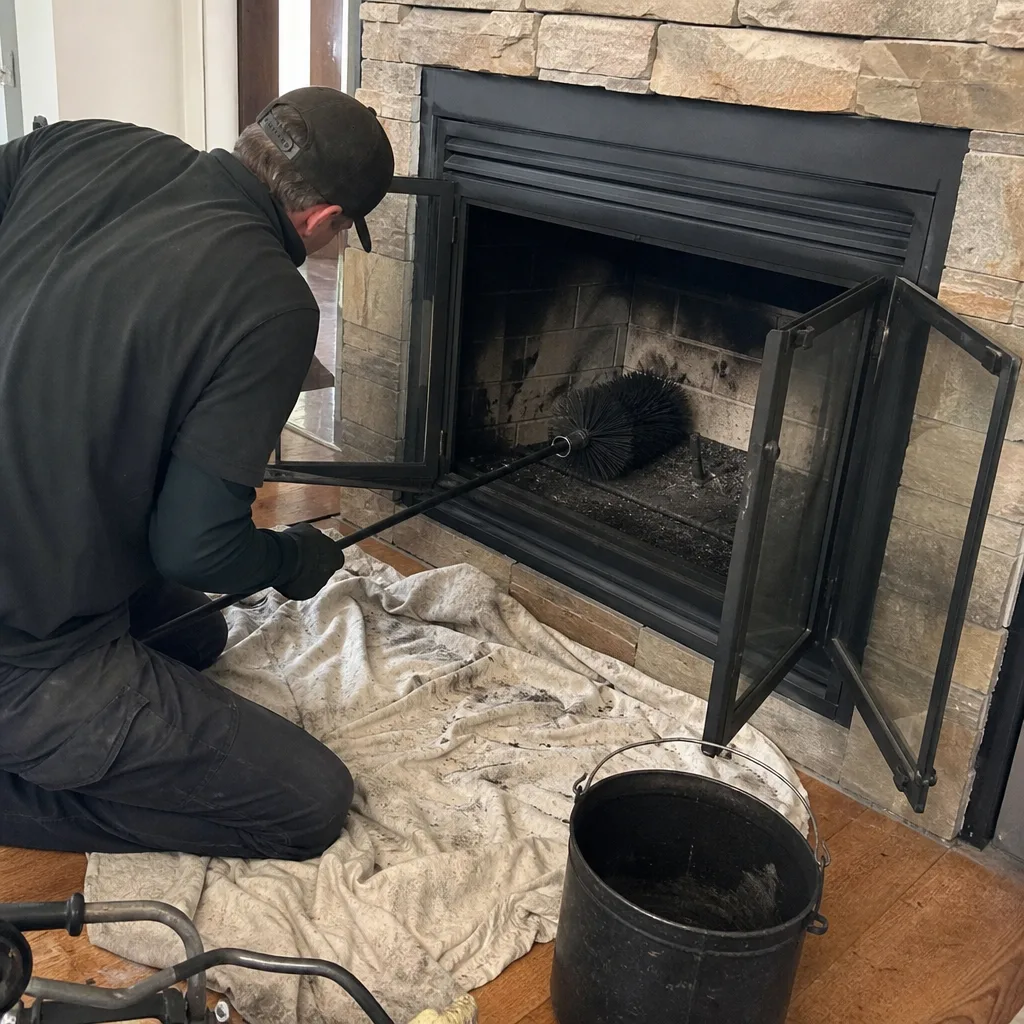
Some maintenance items don’t require a camera or a chimney professional. They require attention and a basic understanding of what normal looks like. These checks won’t replace an NFPA 211 Level 2 inspection, but they’ll catch developing problems early and give you specific language when you do call for service.
The Cap Check
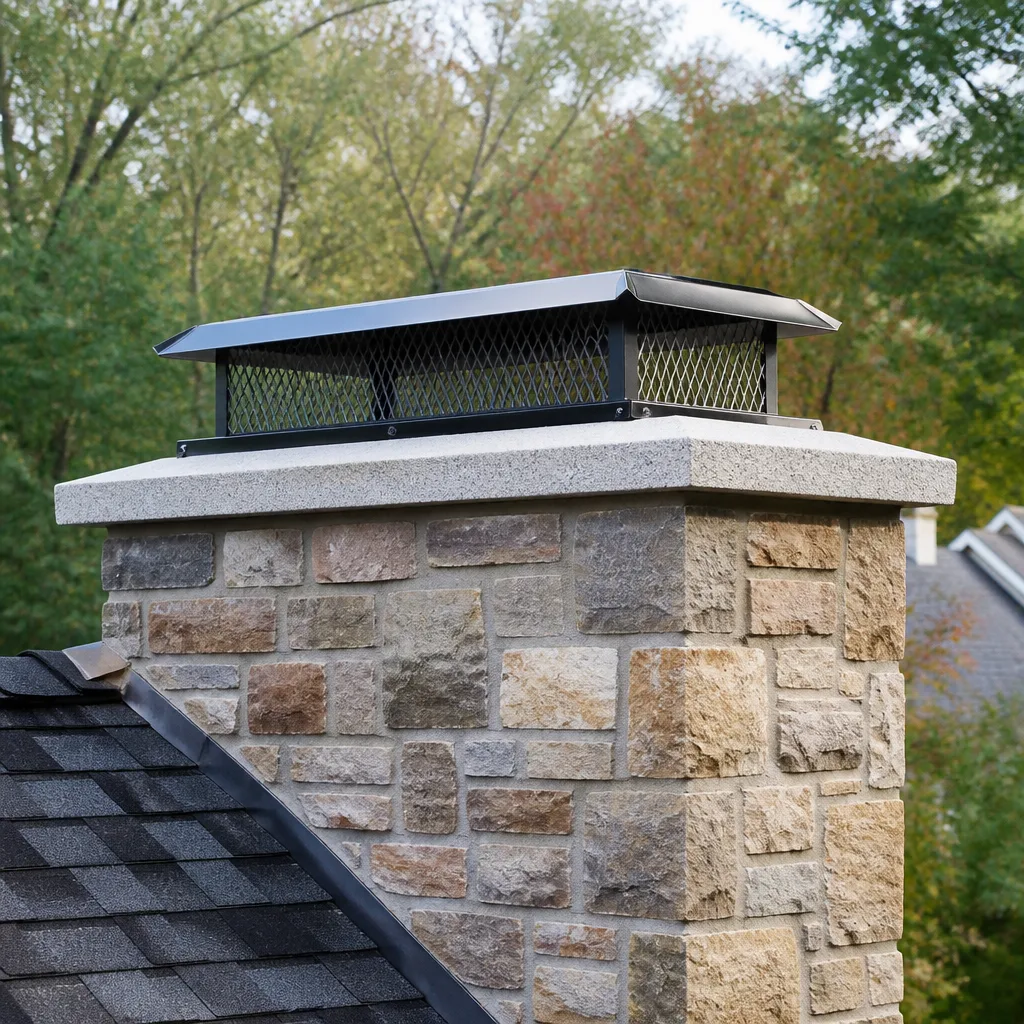
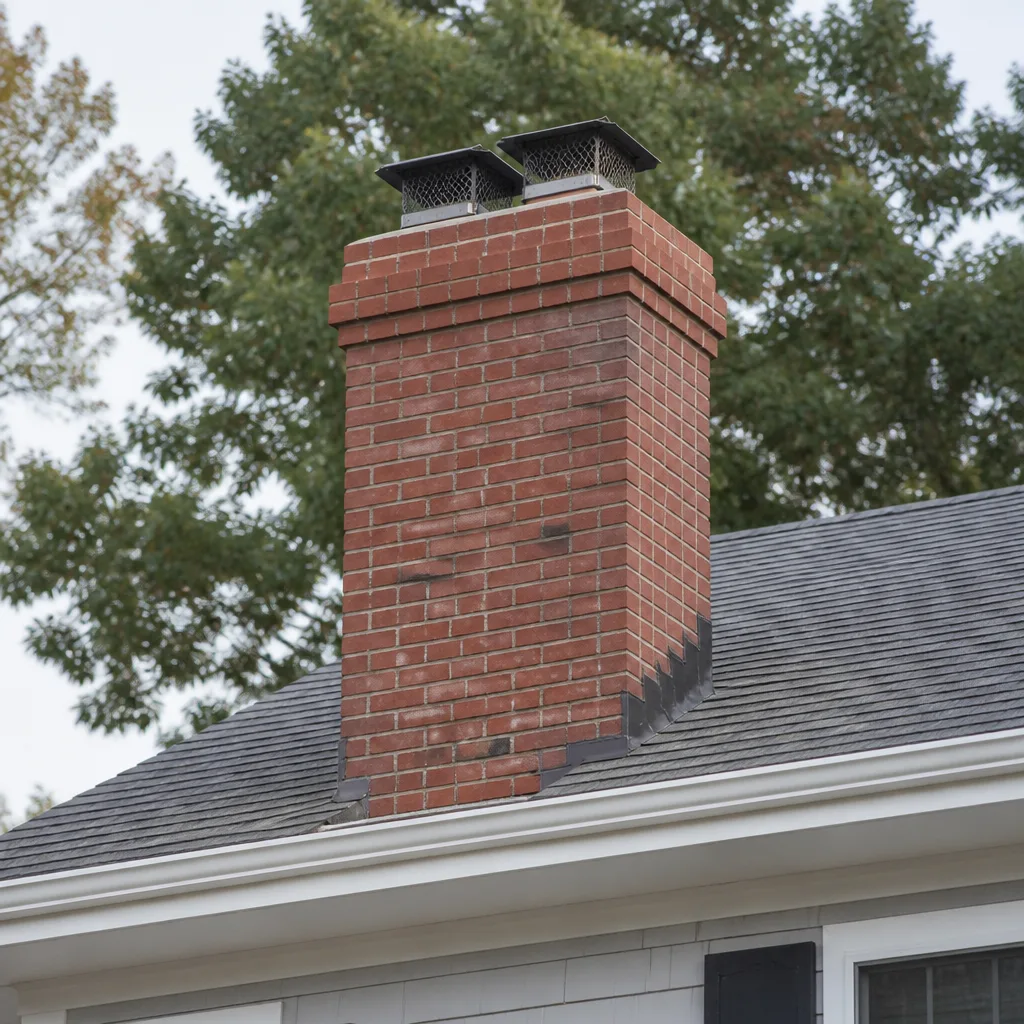
From ground level with binoculars, or from a second-story window, examine your chimney cap monthly during burn season. You’re looking for:
- Mesh sides intact, not rusted through or torn by wind
- Lid seated squarely, not tilted from hail impact or fastener failure
- No debris accumulation (nesting material, leaf buildup, ice dams)
In Boulder, hail season runs May through September, and we’ve replaced caps in Martin Acres and Wonderland Hill that took direct hits in July only to fail completely by October’s first freeze. A cap that looks “a little bent” in summer often becomes a water entry point after the first freeze-thaw cycle.
The Crown Visual
The concrete crown is your chimney’s umbrella. From a safe vantage point, look for:
- Hairline cracks that widen toward the flue tile
- Pooling after rain (indicates improper slope)
- Chipping or spalling at edges
Small crown cracks in Boulder’s climate rarely stay small. The combination of intense UV at 5,400 feet elevation and rapid temperature swings, especially in neighborhoods against the foothills like Chautauqua and Newlands, accelerates concrete deterioration. What reads as cosmetic in September becomes a water channel by January.
The Damper Test
Open and close your damper fully before lighting the first fire each season. It should move smoothly through its entire range and seat completely closed when shut. A damper that won’t fully close is an energy leak; one that won’t fully open is a smoke hazard.
Listen for grinding or scraping, which indicates creosote buildup on the throat or warping from over-firing. Note the position when you find it, some homeowners discover their damper has been half-open all summer, conditioning their chimney to indoor air and wasting cooling dollars.
The Firebox and Hearth Scan
With the damper open and a flashlight, look up from the firebox. You’re not diagnosing, you’re noticing change. Compare to your last service report’s photos. New staining patterns, shifted bricks, or mortar falling into the firebox are all reasons to schedule a Chimney Cleaning & Sweep in Boulder with camera inspection.
What Requires a Professional Camera Scan
NFPA 211 defines three inspection levels. Level 1 is visual, accessible surfaces only. Level 2 adds camera scanning of internal flue surfaces and accessible portions of attics and crawl spaces. Level 3 involves demolition of building materials and is reserved for suspected hazards that cannot be evaluated otherwise.
For Boulder homeowners, we recommend Level 2 as the baseline for any property purchase, any fuel change, any suspected chimney fire event, and any system that has not been inspected within 24 months. Here’s what the camera reveals that no flashlight can.
Flue Liner Integrity
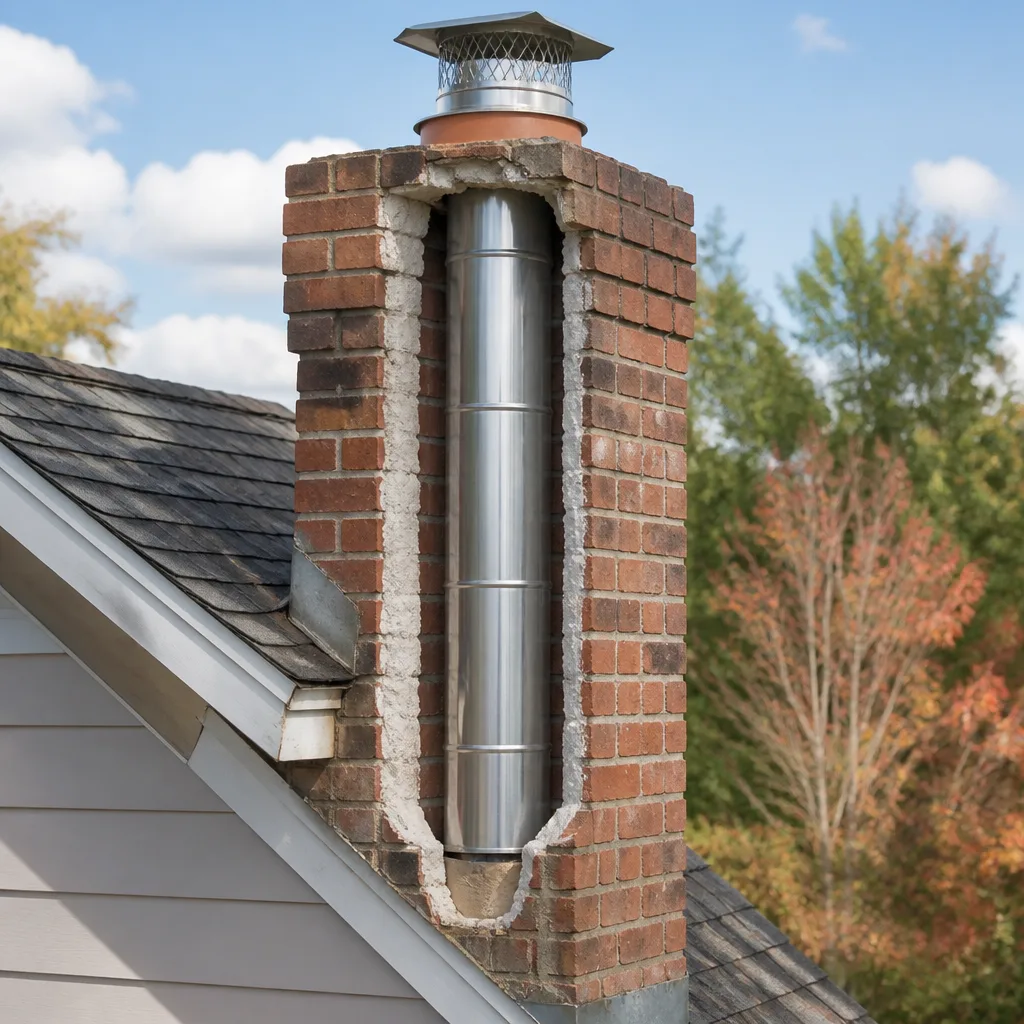
The flue liner is your chimney’s heat shield and exhaust pathway. In Boulder’s older housing stock, especially pre-1980 builds in Mapleton Hill and Goss Grove, we regularly find unlined chimneys, deteriorating terra cotta tile, or improperly sized liners from previous “updates.”
A camera scan documents:
- Tile cracks radial or longitudinal, which allow heat transfer to combustible framing
- Spalling (flaking) tile surfaces that narrow flue diameter and accelerate creosote accumulation
- Missing mortar joints between tile sections
- Shifting or settled tiles that create offset obstructions
When liner repair is needed, we specify materials by application: DuraFlex for relining existing flues, HeatShield for resurfacing intact but cracked terra cotta, and Olympia Chimney components for new construction or full rebuilds. The camera footage determines which applies, not a sales pitch.
Smoke Chamber Evaluation
The smoke chamber is the area above the damper and below the flue liner, where fireplace gases collect before entering the narrow flue. NFPA 211 requires it to be “parged smooth” to reduce turbulence and creosote accumulation. Most older Boulder homes have corbelled brick smoke chambers, stepped inward like a pyramid, with rough surfaces that trap residue.
Camera access to the smoke chamber requires specific technique and equipment. A sweep who doesn’t mention it may not be inspecting it.
Creosote Classification
Not all buildup is equal. Class I creosote is soot and ash, easily brushed. Class II is tar-like and requires rotary tools. Class III is glazed, hardened, and often requires chemical treatment before mechanical removal. Class III is also the most combustible form and the leading fuel in chimney fires.
Camera classification matters because:
- It determines cleaning method and time required
- It indicates burning habits (wet wood, restricted air, over-firing)
- It establishes baseline for future comparison
- It satisfies insurance documentation requirements post-fire
Hidden Construction Defects
We’ve found through-wall cracks in second-story flues, improper clearances to combustible framing, and abandoned stovepipe sections blocking flues, all invisible from below. These aren’t maintenance items, they’re safety hazards that only camera documentation can establish for repair planning and insurance records.
Boulder-Specific Pre-Season Inspection Points
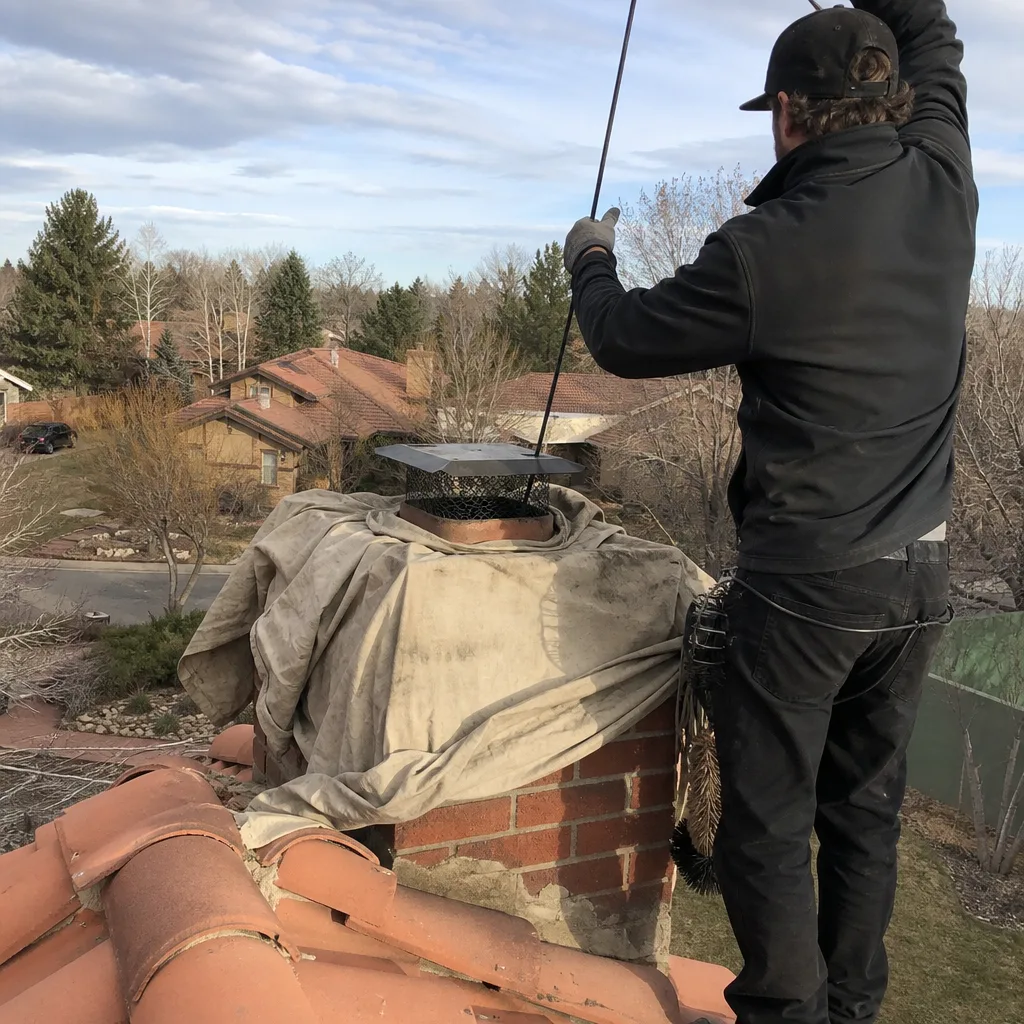
Boulder’s climate and geography create wear patterns that don’t appear in generic maintenance guides. Our crews document these consistently in foothill neighborhoods and valley-floor properties alike.
Post-Hail Season Cap and Crown Assessment
Boulder County averages 6-10 hail events annually, with peak severity in June and July. By October, every cap and crown in the city needs re-evaluation. We schedule dedicated cap inspections in September for homeowners who suspect hail damage, particularly in exposed locations like Dakota Ridge and above Arapahoe Avenue.
What we find: dented lids that no longer shed water properly, mesh sides torn open to bird entry, and crown cracks initiated by impact that propagate with freeze-thaw. The repair is usually straightforward, but the documentation matters for insurance if the same storm damaged your roof.
Freeze-Thaw Flue Liner Stress
Boulder’s temperature swings, 40°F in a day is common, stress masonry systems. Moisture that enters through crown cracks or deteriorated mortar joints expands when frozen, accelerating spalling and joint failure. In north-facing chimneys, especially those shaded by mature landscaping in neighborhoods like Pine Brook Hills and Devil’s Thumb, this cycle runs longer each winter.
We document liner condition with specific attention to moisture damage patterns: efflorescence (white mineral deposits), spalling progression from previous scans, and new cracking in previously intact tile.
Damper Seal Performance at Altitude
Boulder’s 5,400-foot elevation means lower air pressure and different draft behavior than sea-level chimney designs anticipate. A damper that seals adequately at sea level may leak significantly here, affecting both energy efficiency and spontaneous draft reversal on windy days. We test seal integrity with smoke pencil and document results, noting when replacement or adjustment is indicated.
Wildfire Season Spark Arrestor Compliance
Boulder County’s wildfire mitigation requirements include functional spark arrestors on all wood-burning chimneys. Our inspection verifies mesh condition and spacing (standard is ¾-inch, wildland-urban interface may require ½-inch). We document compliance for homeowners in High Fire Hazard Zones, including portions of Sunshine Canyon, Fourmile Canyon, and Betasso.
Mountain Snow Load and Chimney Structure
Heavy snow seasons stress chimney structures, especially prefabricated metal systems with exposed chase covers. We inspect for chase cover pooling, diverter damage, and water entry at chase-top joints. In 2023’s record snowpack, we documented chase cover failures in North Boulder and Martin Acres that had been minor leaks in previous years.
How Often to Sweep: Fuel Type, Burn Hours, and NFPA 211 Guidance
“Once a year” is the advice you see everywhere. It’s also incomplete. NFPA 211 specifies inspection annually and cleaning “as needed,” with frequency determined by fuel type, burn volume, and operating characteristics.
Wood-Burning Fireplaces and Stoves
For cordwood appliances, the critical metric is cord volume, not calendar months. A household burning two cords per season in a Boulder foothills home needs more frequent service than one burning half a cord in a downtown condo used occasionally.
| Annual Burn Volume | Recommended Service | What We Document |
|---|---|---|
| Less than 1 cord | Level 2 inspection every 24 months; sweep if Class II+ creosote | Baseline condition, slow-change tracking |
| 1-3 cords | Level 2 inspection and sweep annually | Creosote accumulation rate, liner wear progression |
| 3+ cords or primary heat source | Level 2 inspection and sweep mid-season and end-of-season | Heavy-use degradation patterns, component fatigue |
Wood species matters. Softwoods (pine, fir) common in Boulder’s local firewood market produce more creosote at lower temperatures. Hardwoods (oak, maple) burn cleaner but require adequate air supply. We note fuel type in every service record and advise when a change in wood source would reduce maintenance burden.
Gas Log and Insert Systems
Gas systems produce minimal residue but require inspection for debris obstruction, venting integrity, and burner condition. Annual Level 1 inspection is standard; Level 2 if the system is converted from wood, if venting is shared, or if any operational change occurs.
Pellet Stoves
Pellet systems require more frequent homeowner maintenance (ash removal, auger cleaning) but professional inspection of venting and combustion chamber annually. The exhaust path is narrow and unforgiving of obstruction.
Zero-Clearance Fireplaces
Factory-built metal systems have specific manufacturer maintenance intervals, often shorter than masonry equivalents. We reference manufacturer documentation and cross-check against actual condition, noting when field wear exceeds design expectation.
Building a Transferable Service Record for Resale
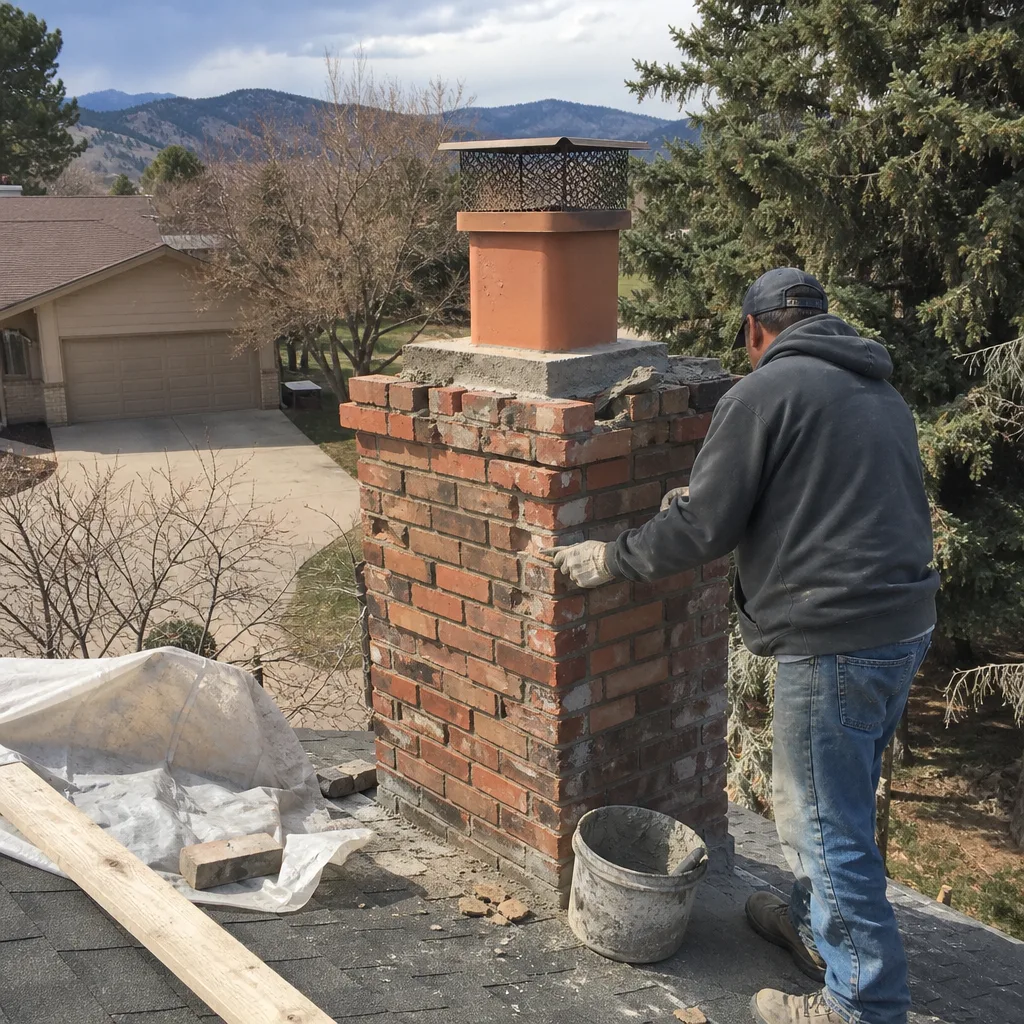
Boulder’s real estate market moves fast. A complete chimney record removes friction from buyer due diligence and supports your asking price. Here’s what transfers cleanly and what doesn’t.
What Buyers’ Inspectors Ask For
In our experience supporting Boulder home sales, buyer inspectors consistently request:
- Date of most recent NFPA 211 Level 2 inspection
- Name and credentials of inspecting company
- Written findings report with photo documentation
- Any repair invoices with scope description
- Current status of recommended but deferred maintenance
Verbal assurances, handwritten notes, or “we had it done” without documentation trigger inspection contingencies. In 2023, we provided rush documentation for four Boulder sellers who had used uncredentialed sweeps and faced re-inspection demands two weeks from closing.
Format That Satisfies
Digital records with dated PDFs and photo files are standard. We provide these through our client portal, with download links that remain active. Paper records should be scanned and backed up. The specific format matters less than completeness: price before, findings after, photos on file, warranty terms stated.
Disclosure Strategy
Colorado’s seller disclosure form asks about chimney condition. A documented maintenance history lets you answer accurately and confidently. “Chimney inspected and cleaned annually by Emberly Chimney Cleaners, Level 2 camera scan with photo record, most recent [date], findings attached” is a disclosure that protects you post-sale.
Deferred maintenance should be disclosed with documentation: “Cracked flue liner identified [date], repair recommended, estimate attached.” This transparency often converts to a negotiated repair credit rather than a collapsed deal.
Common Mistakes to Avoid
- Accepting verbal estimates. A sweep who won’t write a price before arriving is structuring for add-on sales. We’ve seen Boulder homeowners quoted $189 over the phone and invoiced $1,400 for “discovered” liner damage that camera inspection would have identified in the initial scope.
- Skipping camera inspection on “clean” chimneys. Creosote volume and liner condition are independent variables. A chimney that brushes clean can still have cracked tile, improper clearances, or hidden construction defects. The camera finds what brushing misses.
- Using the same sweep frequency regardless of fuel change. Switching from gas logs to wood, or from hardwood to softwood, resets your accumulation rate. We re-baseline with Level 2 inspection after any fuel change.
- Ignoring hail damage until leak symptoms appear. In Boulder’s climate, hail-compromised caps and crowns deteriorate through fall freeze-thaw. September inspection catches damage that January water stains reveal too late.
- Storing records with the sweep company only. Company records help, but you need your own file. We’ve absorbed clients from three Boulder-area sweep companies that closed or changed names since 2009. Homeowners with their own documentation had continuous records; others started over.
- Assuming new construction means no inspection needed. We’ve found construction debris, improper liner installation, and missing dampers in Boulder new builds. The builder’s walkthrough is not a chimney inspection.
- Deferring maintenance based on low use. Unused chimneys accumulate moisture, wildlife nesting, and structural damage from weather exposure. Annual inspection applies even to decorative systems.
When to Call a Professional
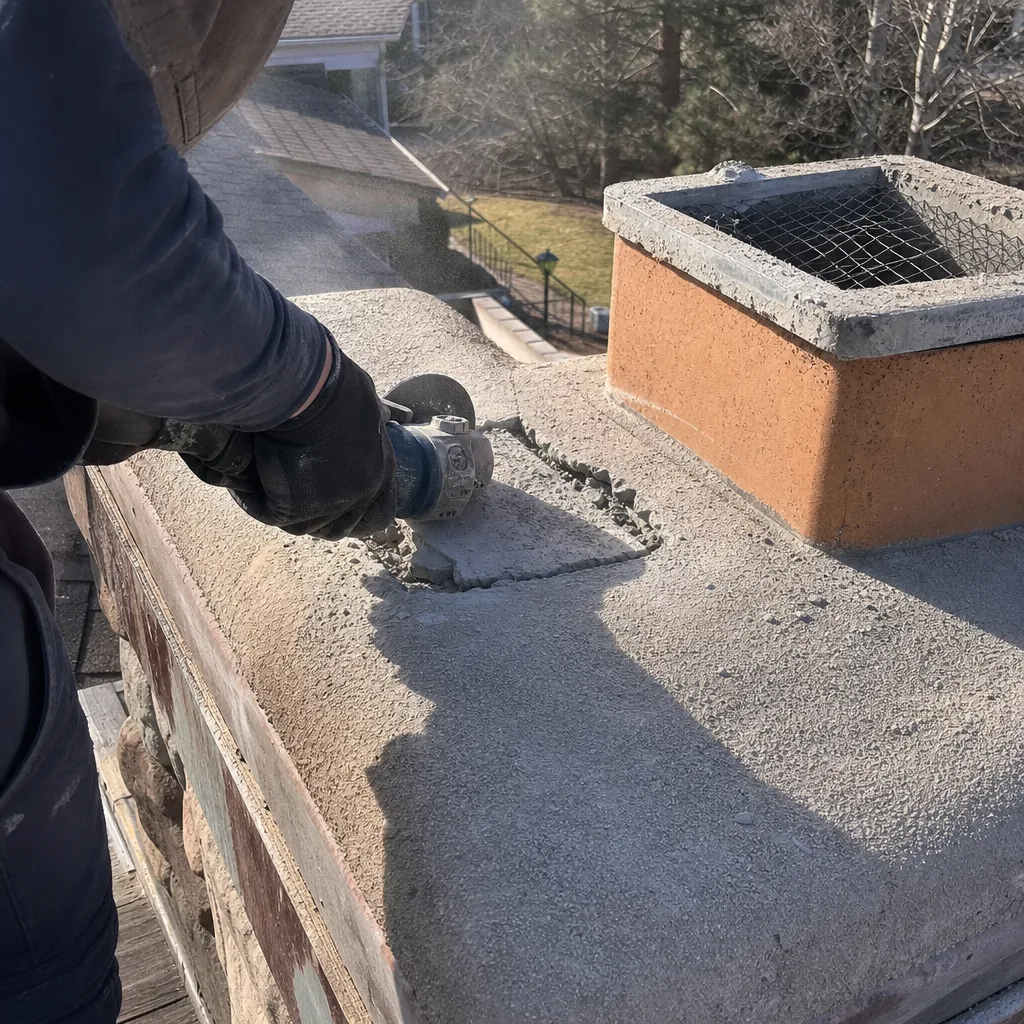
Schedule a Level 2 inspection with camera scan when you observe any of the following: smoke spillage into the room, visible cracks in firebox or exterior masonry, water staining on walls or ceiling near the chimney, a persistent odor of creosote or decay, or any operational change after a weather event. Also mandatory: before property purchase, after any chimney fire event, and before converting fuel type or appliance.
Emberly Chimney Cleaners Boulder offers free estimates in Boulder, with written price before work starts and documented photo record on every job under Haven Standard Clause 4. Call (970) 598-0453 to schedule or to request a Free Second Opinion on any competitor’s written estimate. Our background-checked, uniformed technicians serve all Boulder neighborhoods from downtown to the foothills, with live phone support 24 hours a day.
Frequently Asked Questions
A Level 2 chimney sweep with camera inspection in Boulder typically ranges from $280 to $450 for a standard masonry fireplace, depending on creosote class, accessibility, and whether the system is a straightforward single flue or a more complex configuration like a see-through or count Rumford design. We deliver a written price before scheduling, with line-item scope, so the number you approve is the number you pay. Call (970) 598-0453 for an exact quote, estimates are free.
You need a new or repaired flue liner only if camera inspection documents damage that compromises safety: cracked tile allowing heat transfer to combustibles, spalling that obstructs draft, or missing sections that expose building materials. We show you the footage, explain the hazard in plain terms, and specify repair method, DuraFlex relining, HeatShield resurfacing, or Olympia Chimney replacement components, based on what the camera found. No recommendation without evidence you can see. Call (970) 598-0453 to schedule camera inspection.
For wood-burning systems, NFPA 211 recommends annual inspection and cleaning as needed, with actual frequency determined by burn volume and fuel type, not calendar alone. In Boulder, most homeowners burning 1-3 cords of mixed hardwood and softwood annually do well with annual Level 2 service. Heavy users or those burning primarily softwood may need mid-season attention. Gas systems require annual inspection but less frequent cleaning. Call (970) 598-0453 and we’ll recommend an interval based on your specific system and usage.
Skipped maintenance leads to three predictable outcomes: creosote accumulation increases chimney fire risk, moisture entry degrades liner and masonry, and minor defects become major repairs. In Boulder’s climate, freeze-thaw damage accelerates quickly. We’ve documented chimney fires in well-maintained systems and catastrophic liner failure in neglected ones. The documentation gap also hurts at resale, 34% of local transactions face delays when sellers can’t produce inspection records. The cost of maintenance is always lower than the cost of repair or deal friction. Call (970) 598-0453 to get current.
Homeowner self-checks, cap condition, crown visual, damper operation, are valuable early warning systems. But flue liner integrity, smoke chamber condition, and proper clearances to combustibles require NFPA 211 Level 2 camera inspection by a trained professional. The camera equipment, access techniques, and hazard recognition are not DIY-appropriate. In our experience, homeowner inspections that miss hidden defects are the norm, not the exception. Call (970) 598-0453 for documented professional inspection.
Every visit includes NFPA 211 Level 2 camera-scan inspection of the flue liner and smoke chamber, professional cleaning appropriate to creosote class, written price before work starts under Haven Standard Clause 1, documented photo record under Clause 4, and written findings report with priority-ranked recommendations. Our background-checked, uniformed technicians arrive on schedule with license information provided, and every job is backed by our 365-Day Done Right Promise. Schedule through our Chimney Cleaning & Sweep in Boulder page or call (970) 598-0453.
The Bottom Line
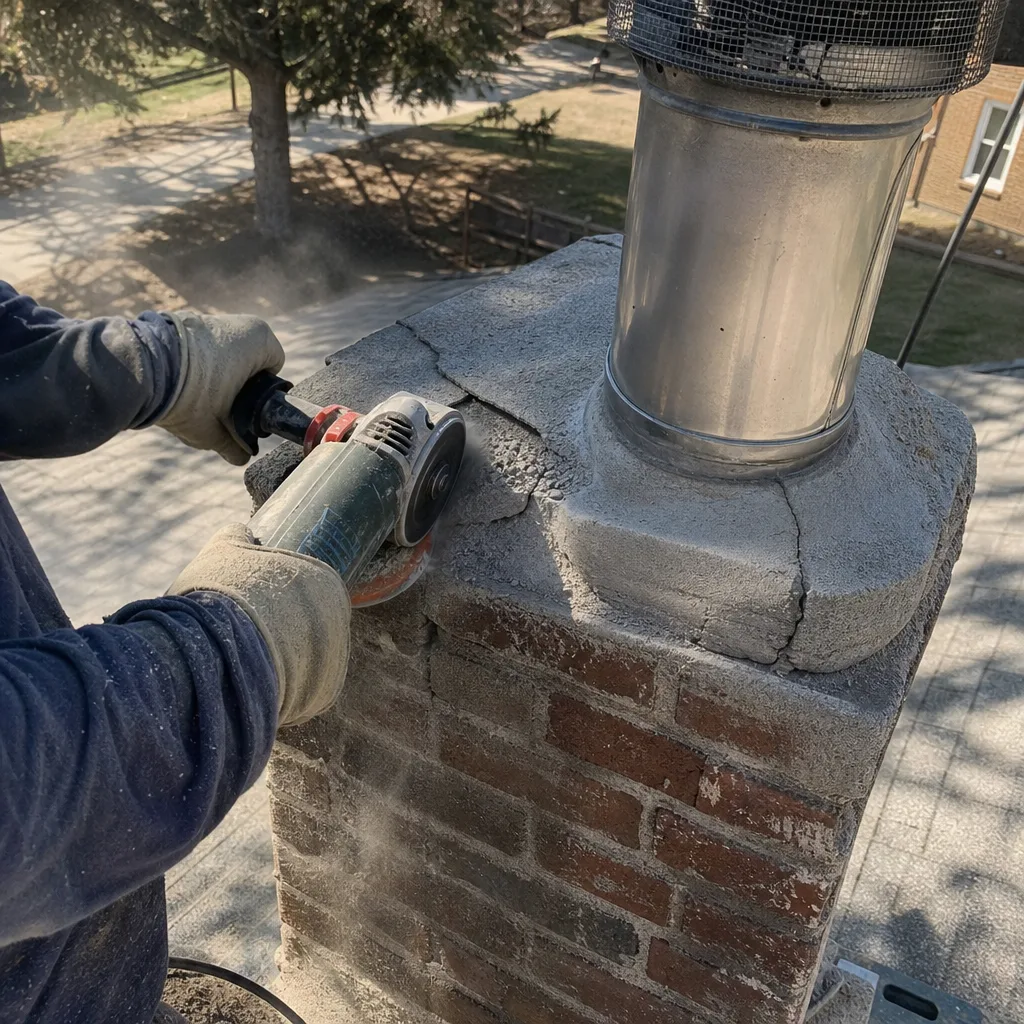
Chimney maintenance is not a seasonal to-do list, it’s a documentation practice that protects your safety, your property value, and your transaction velocity when you sell. The checklist that matters produces three documents: written price and scope before work, written findings with camera photos after, and a continuous service log that transfers to the next owner. In Boulder’s climate, with its hail exposure, freeze-thaw stress, and active real estate market, that documentation gap is the risk most homeowners underestimate. Start or complete your record with a Level 2 inspection that meets the standard its name implies.
Call (970) 598-0453 for a free estimate. Written price before work starts. Documented photo record on every job. 365-Day Done Right Promise. Free Second Opinion on any competitor’s written quote.
Written by Corrine Halstead, Owner at Emberly Chimney Cleaners Boulder, serving Boulder since 2009.