
Last updated September 22, 2026
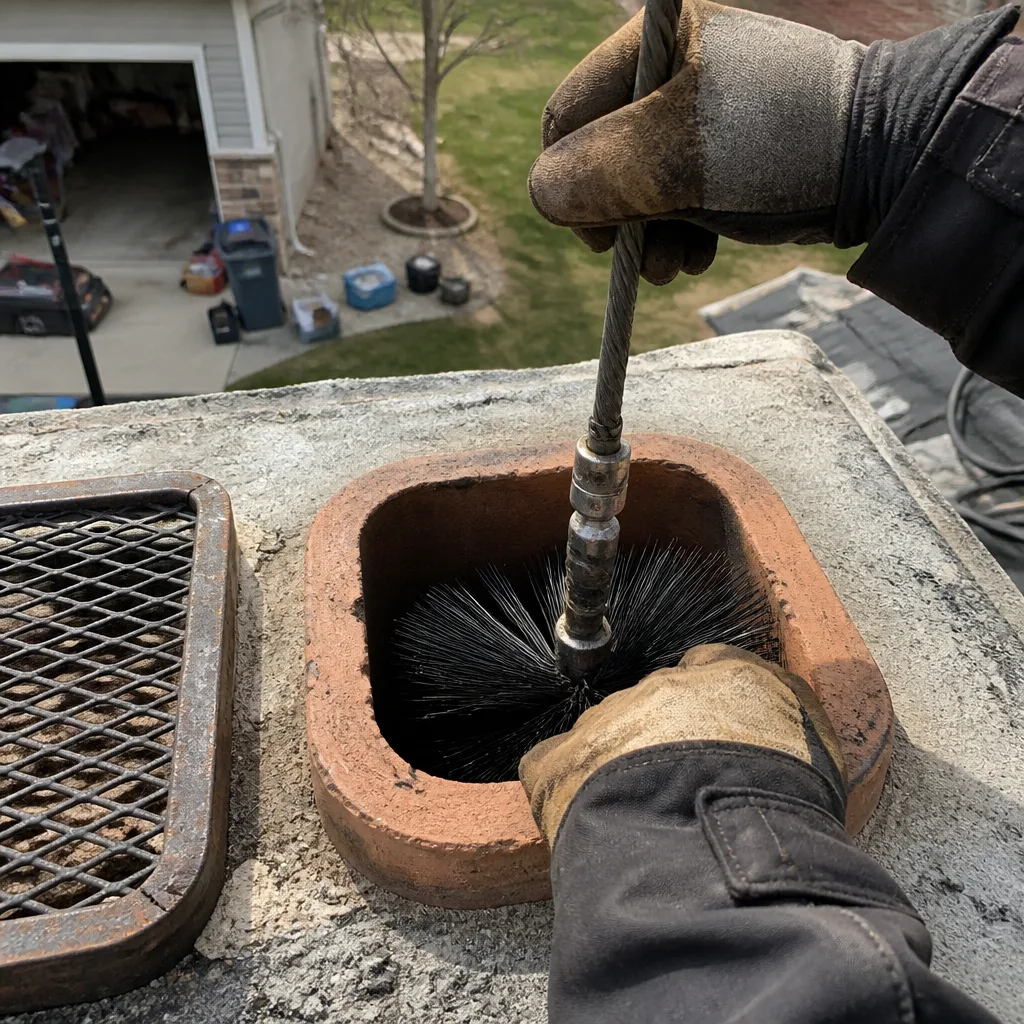
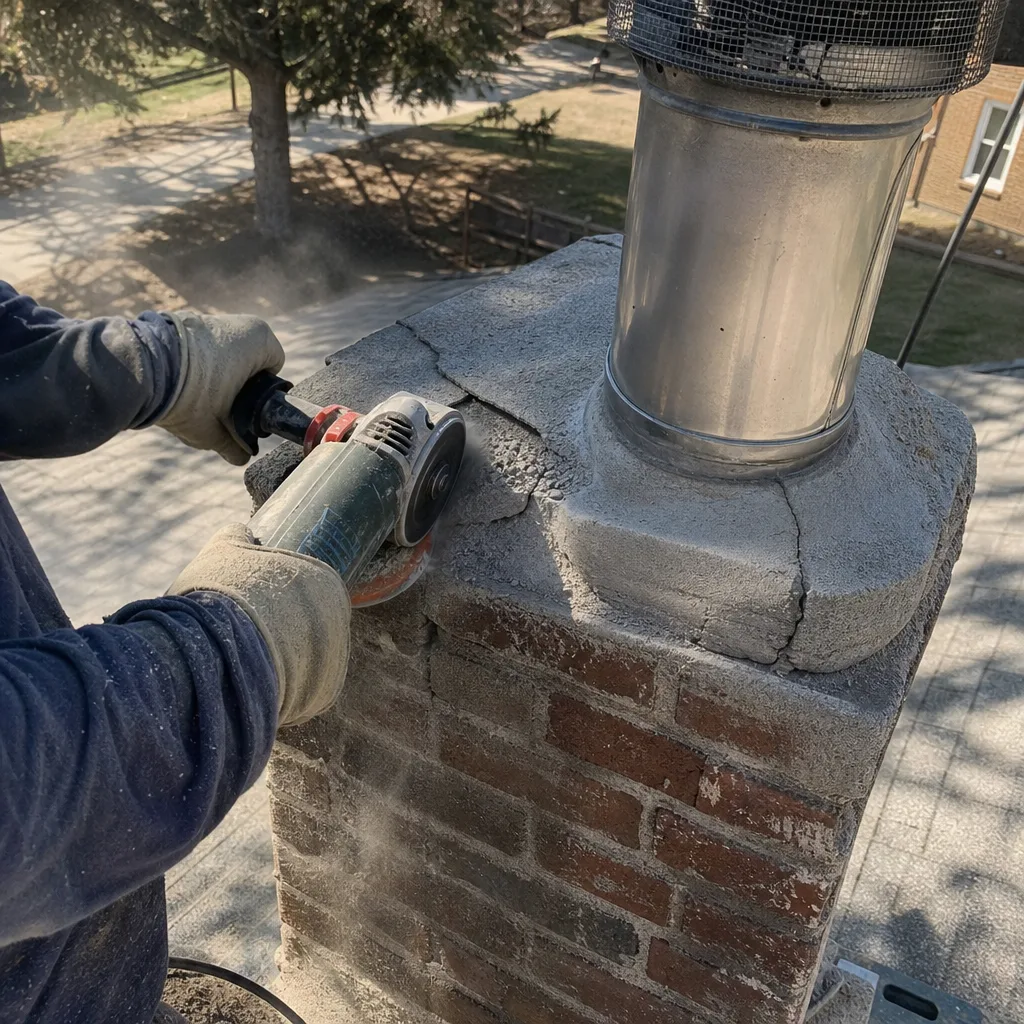
Level 1 sweep and inspection to the NFPA 211 annual standard - flue, crown, cap, and flashing checked and photographed
Chimney sweep logs do not sweep chimneys. They loosen some creosote - which then falls where a brush and vacuum still have to collect it.
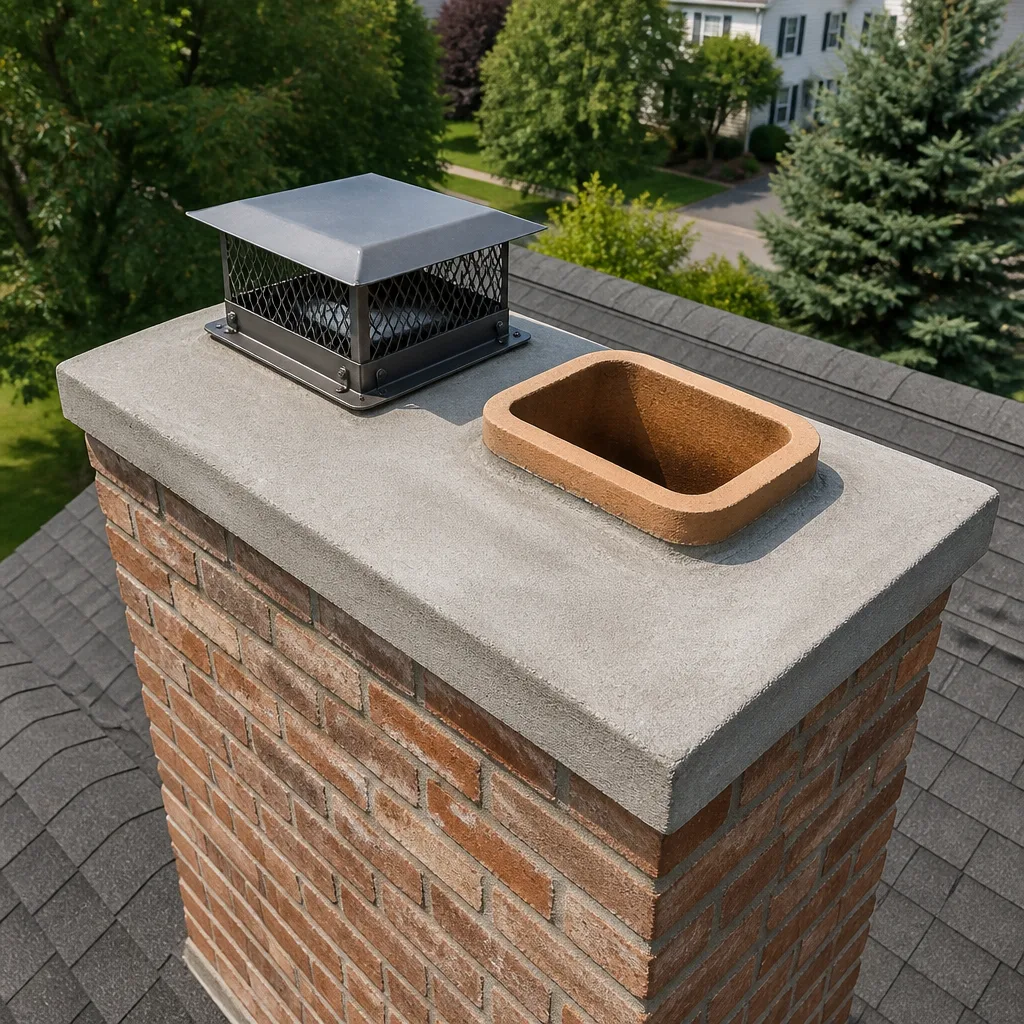
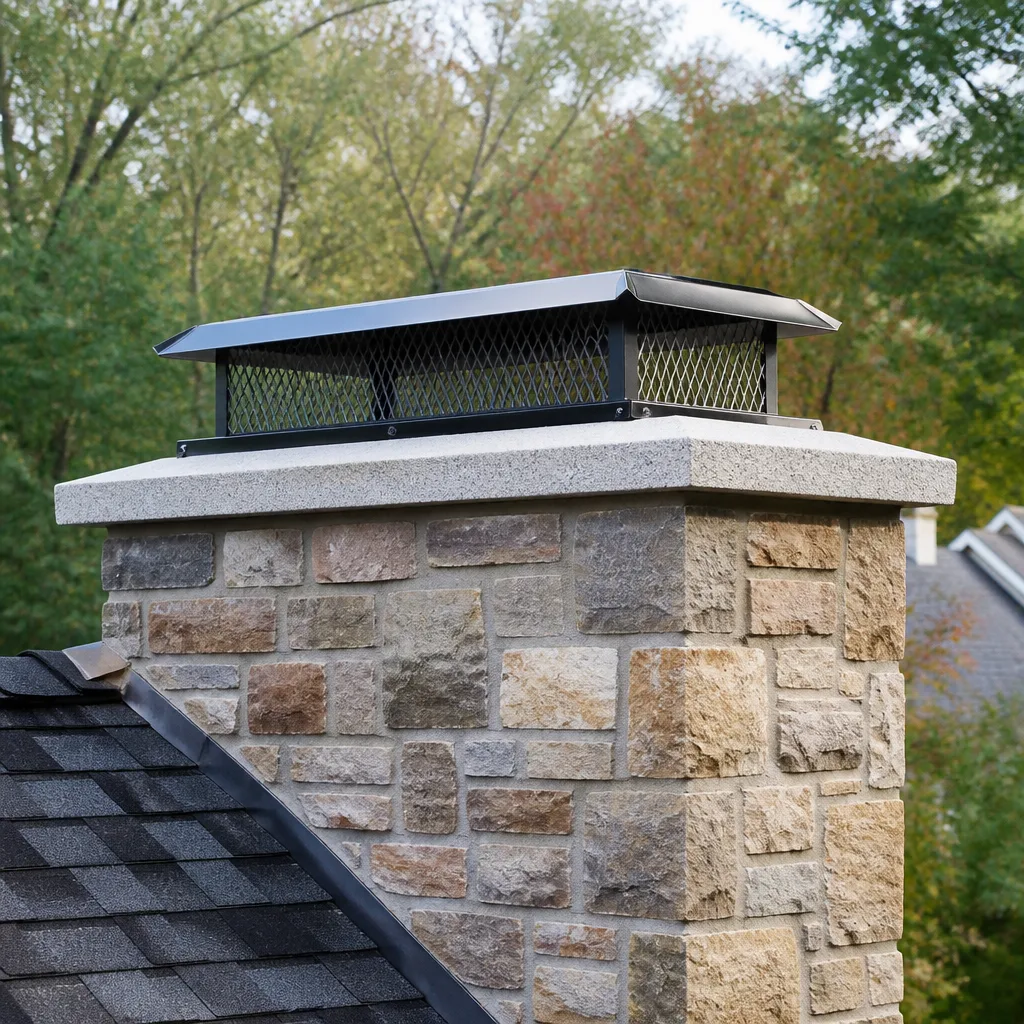
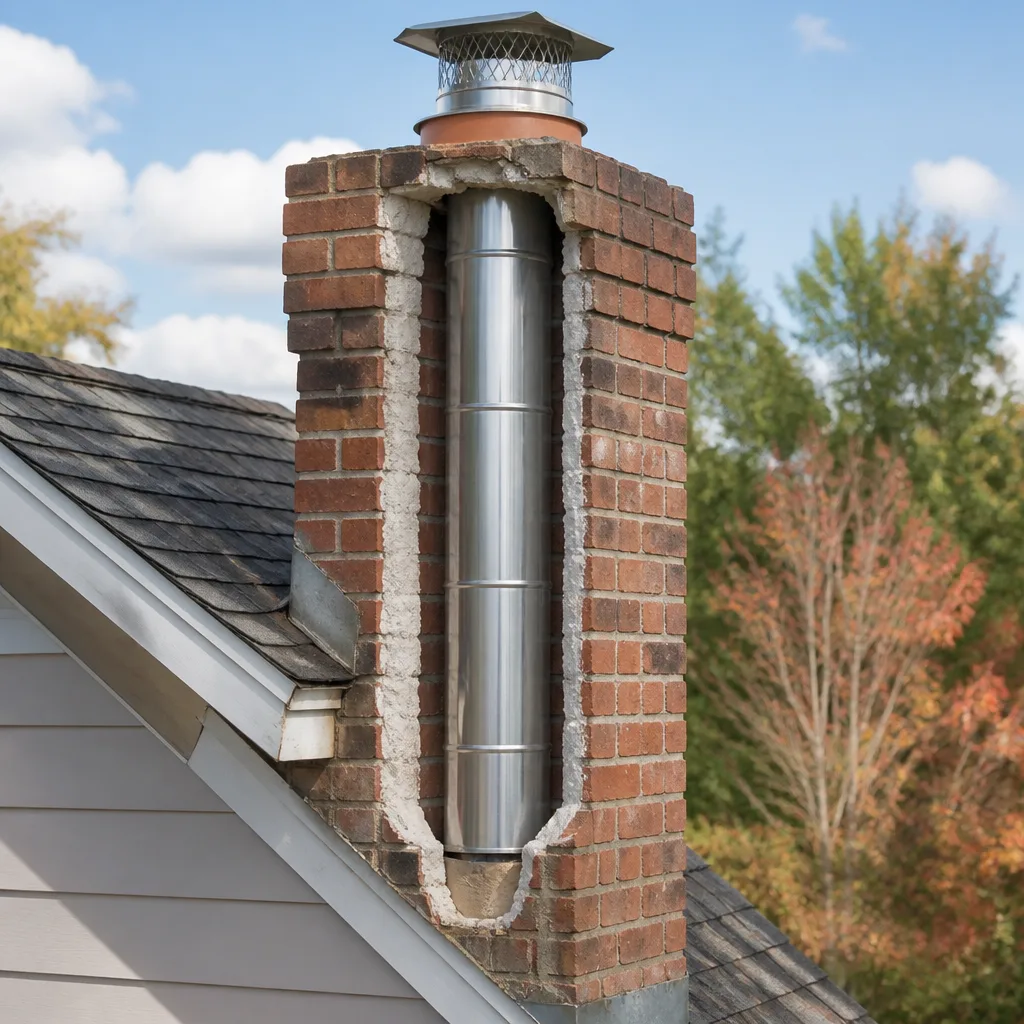
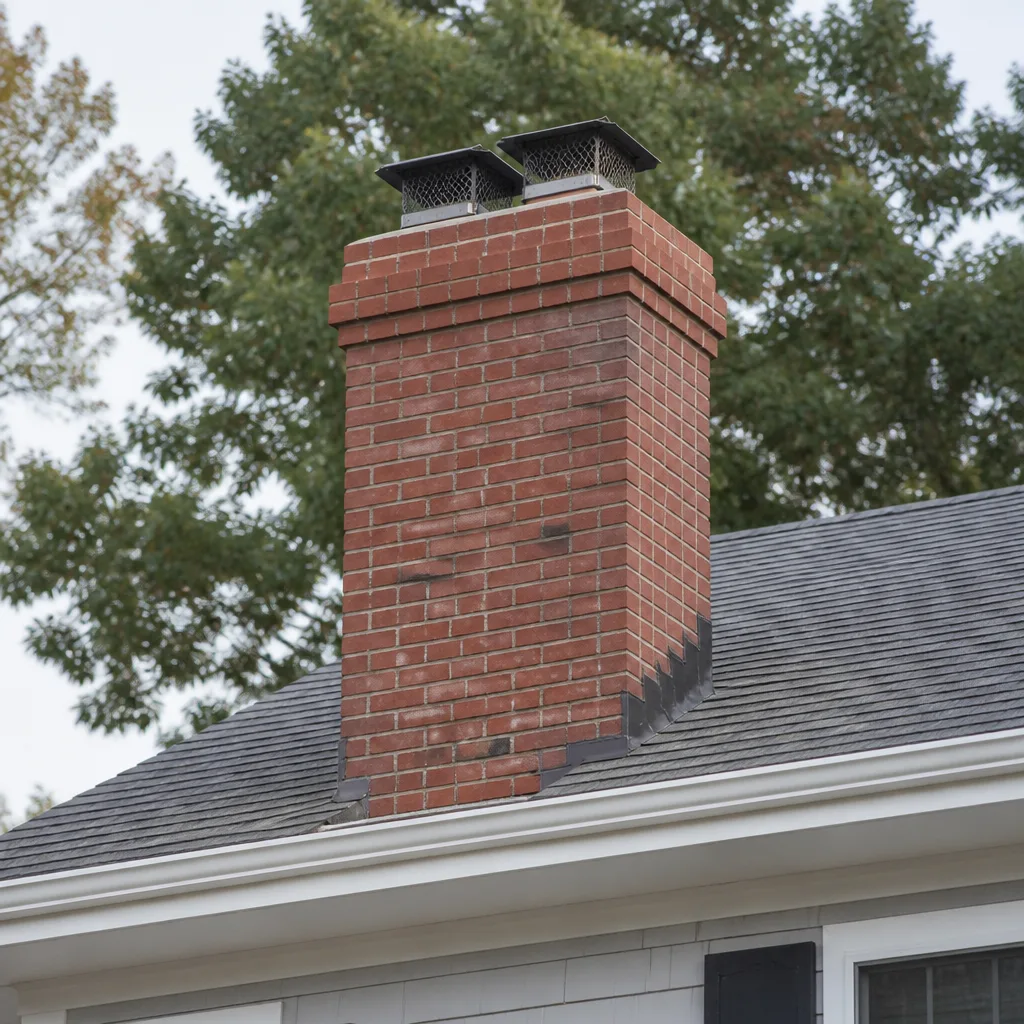
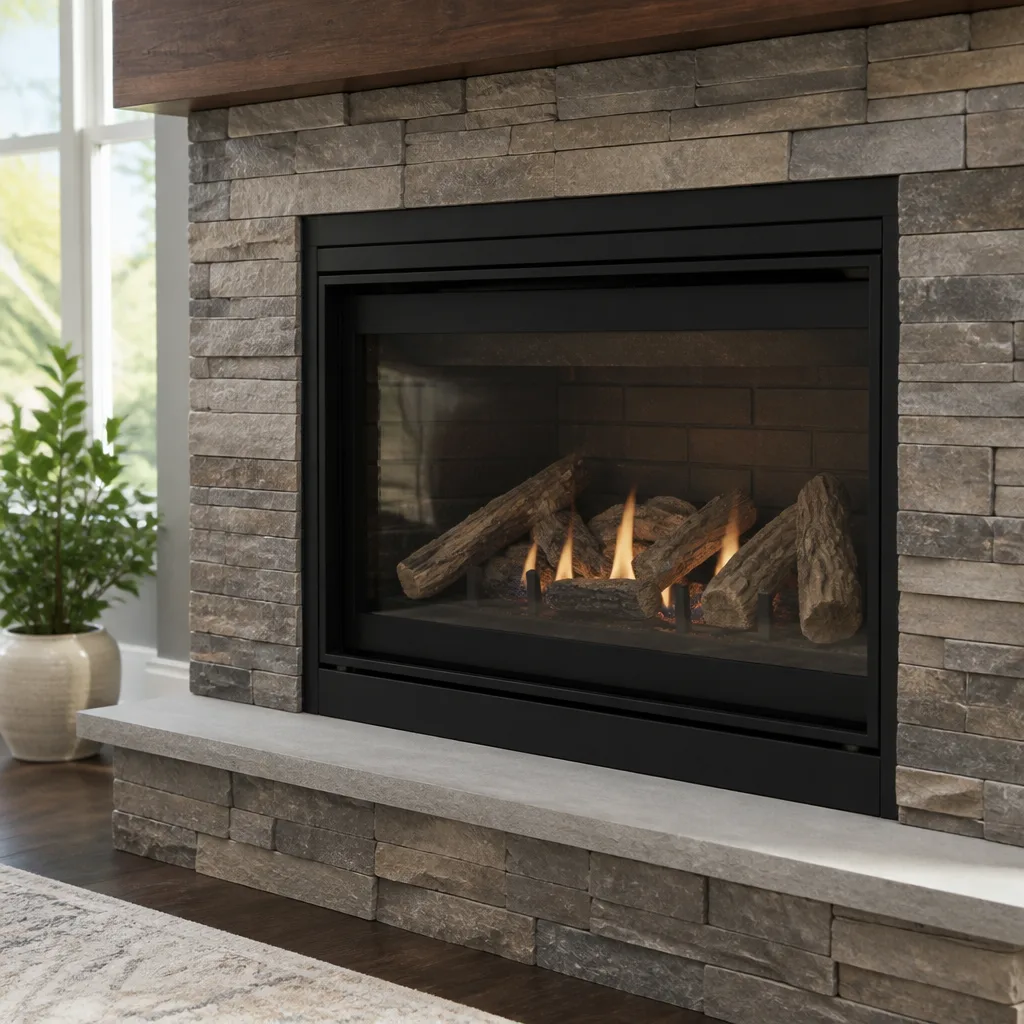
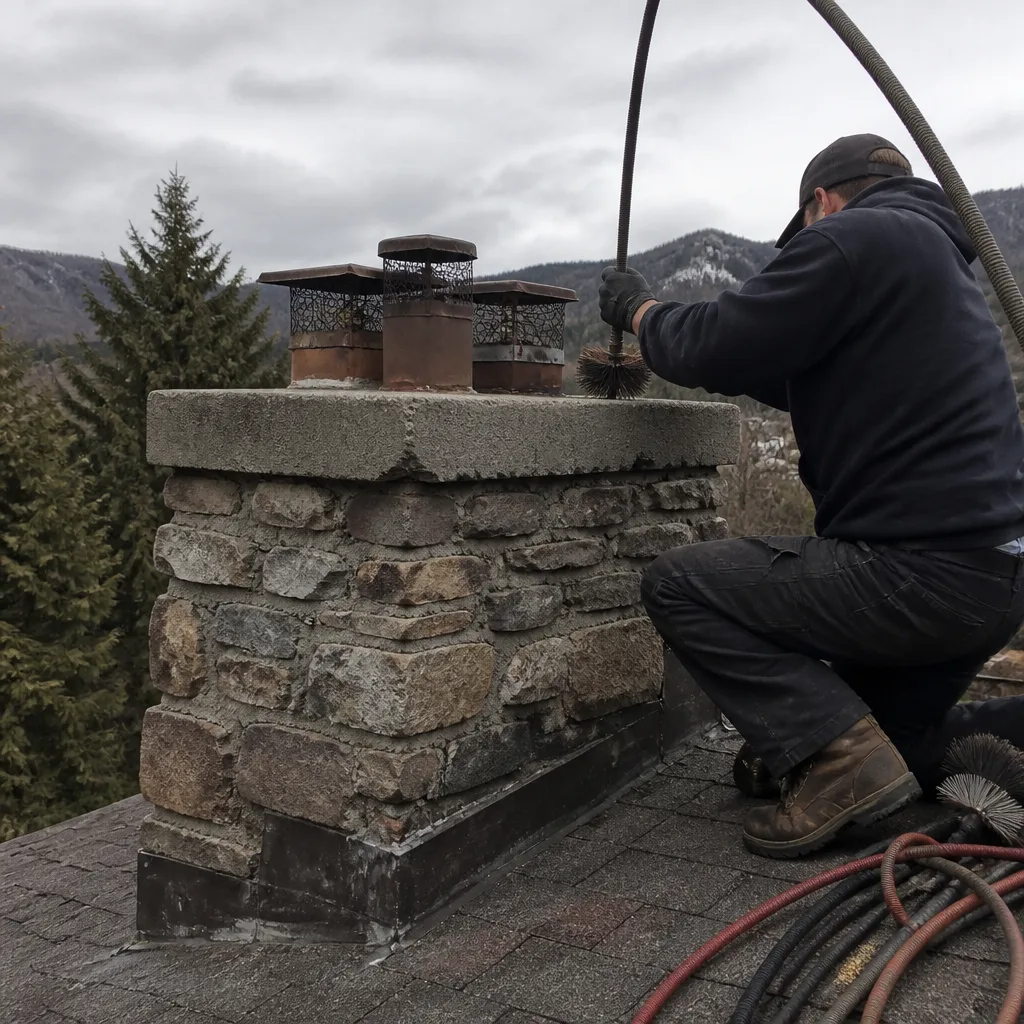 Before
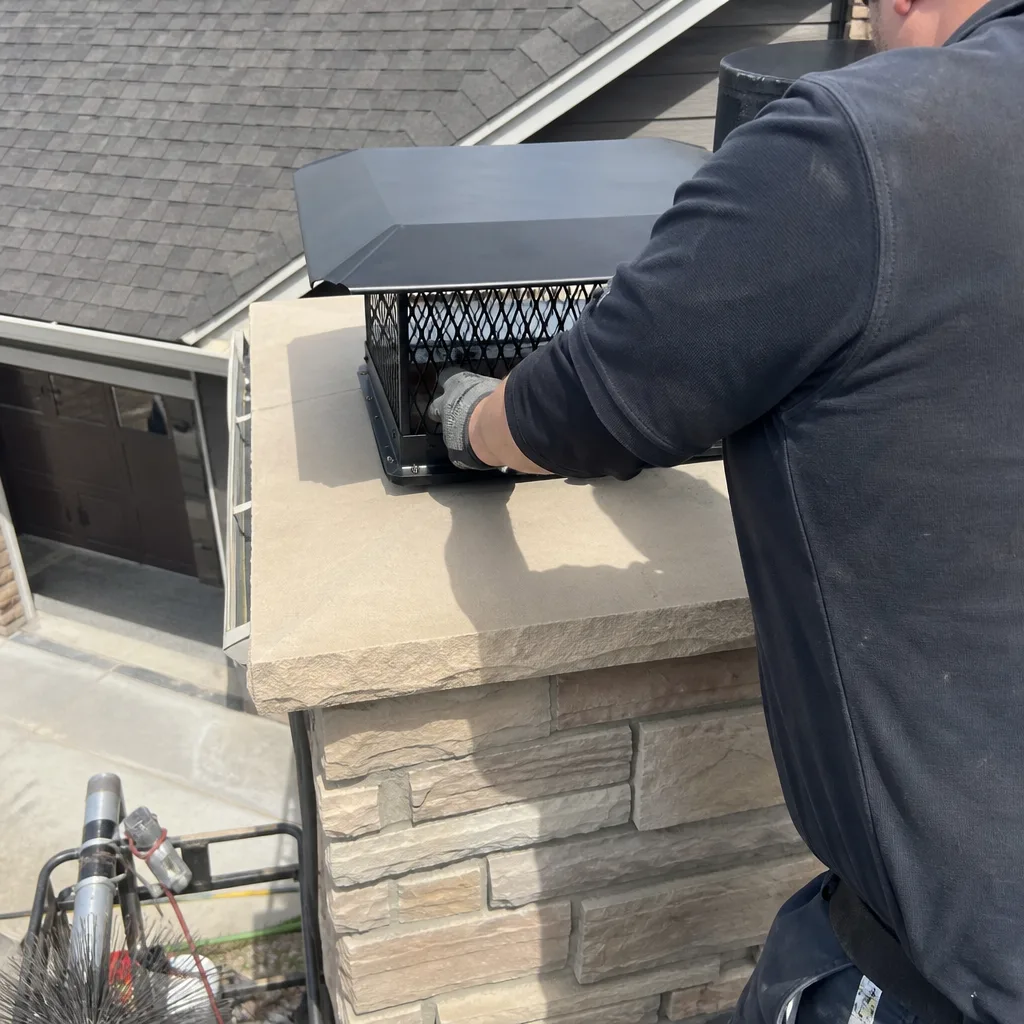 After
After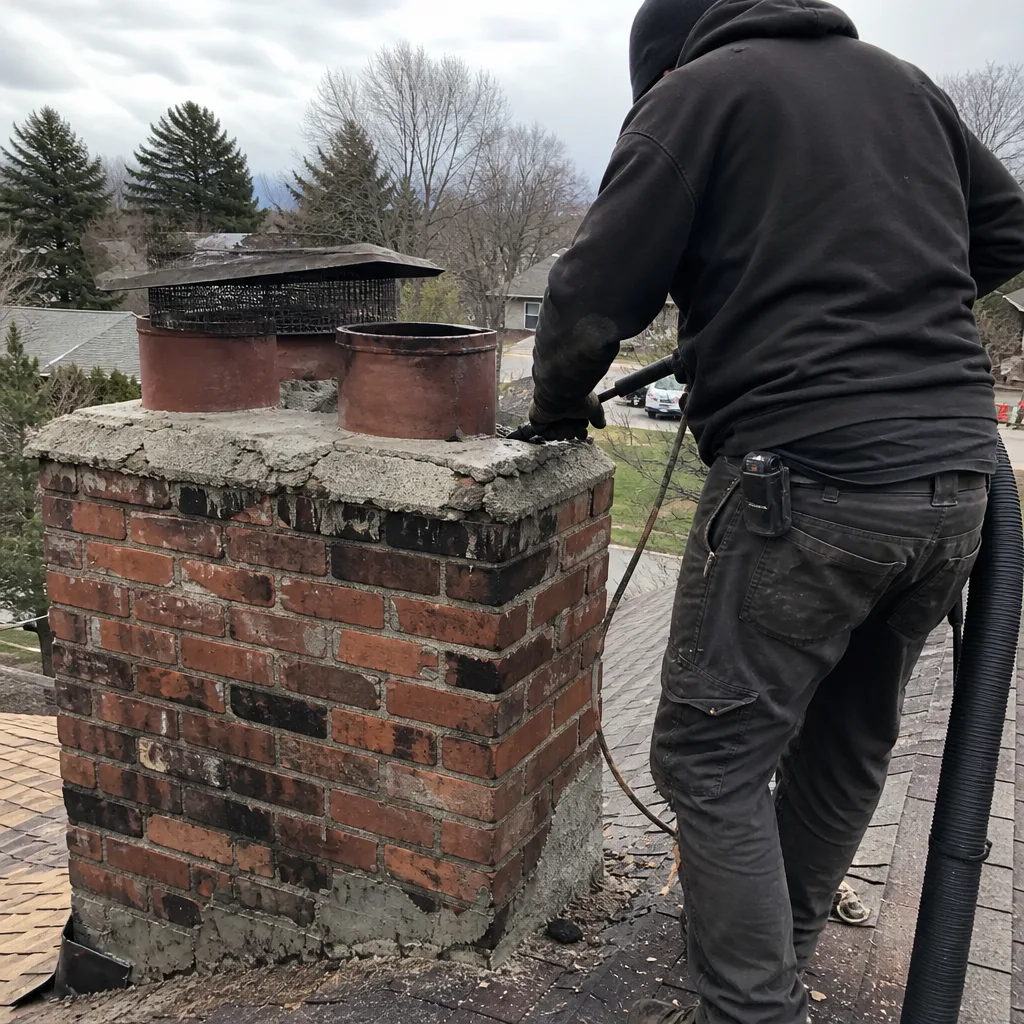 Before
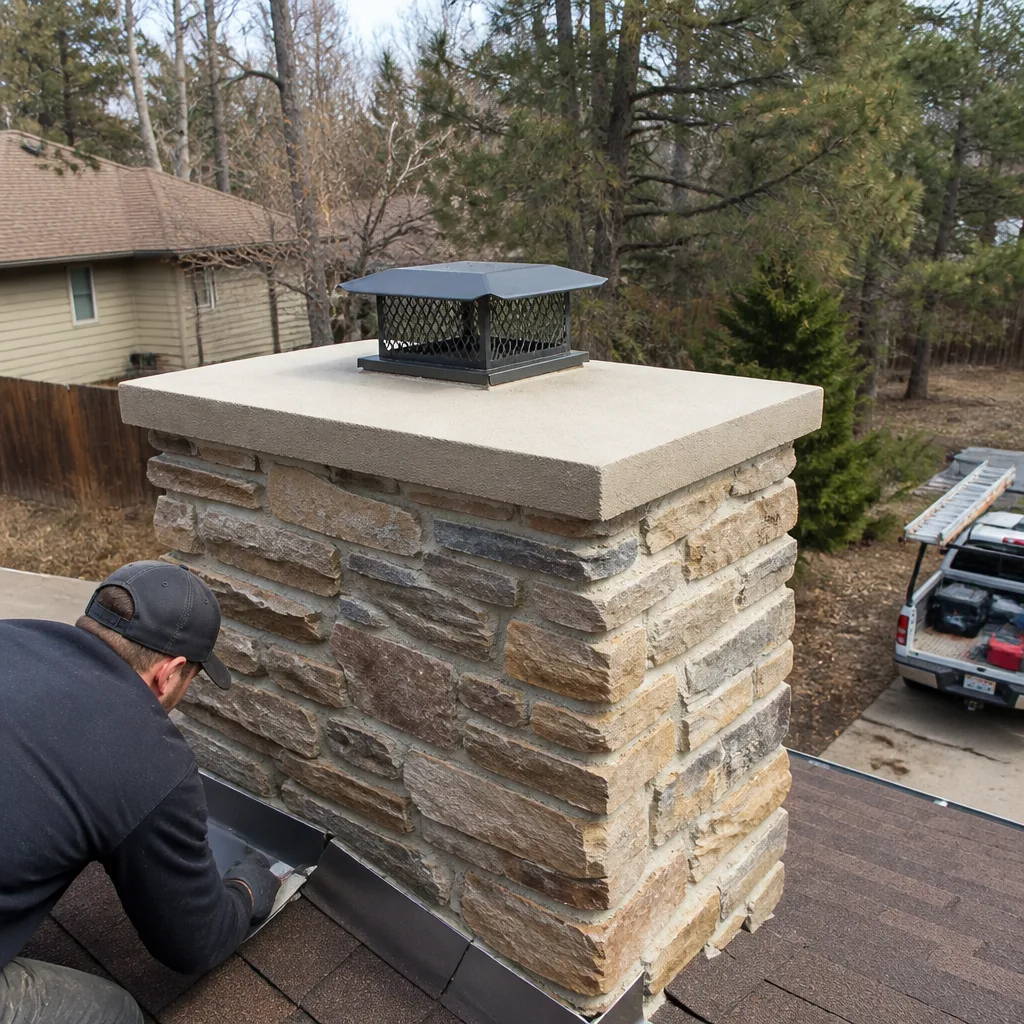 After
After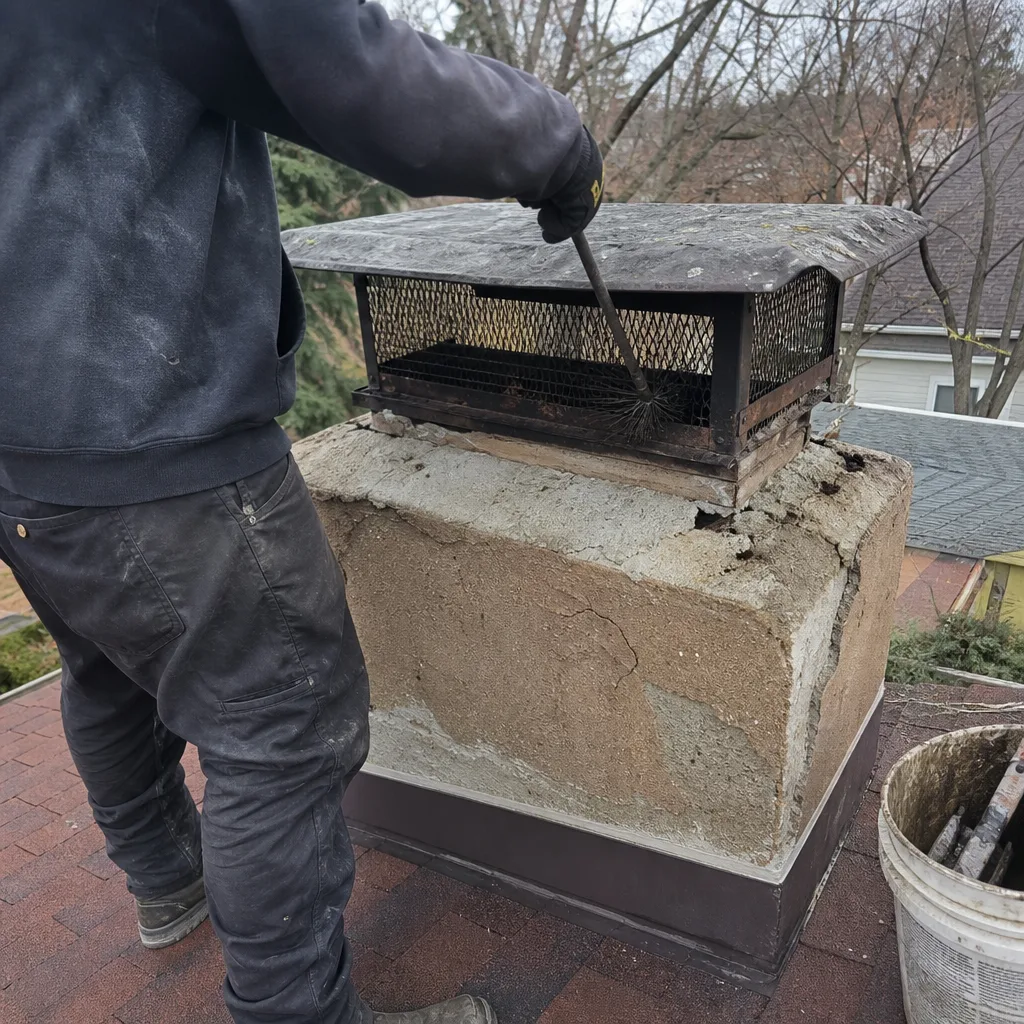 Before
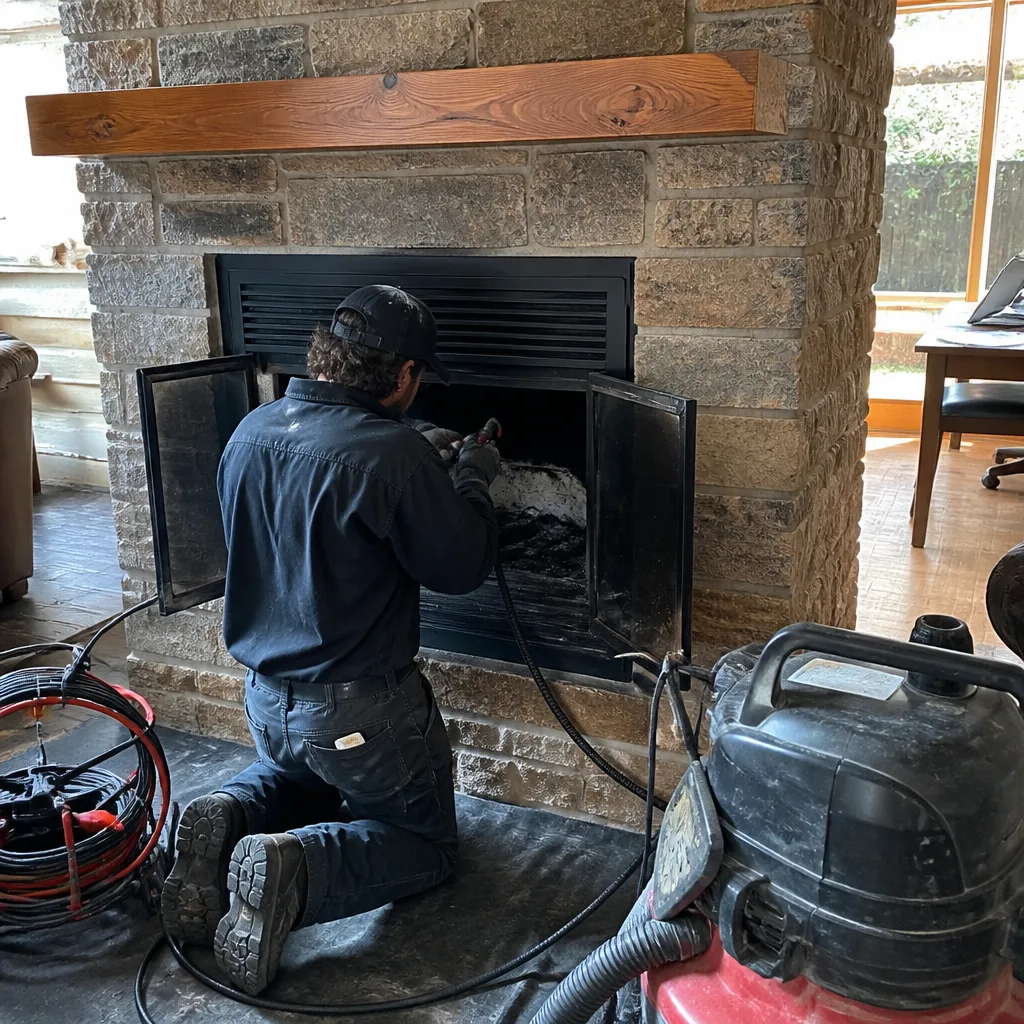 After
AfterChimney Cleaning Permits, Codes & Inspections in CO: What You Need to Know
Colorado’s 2021 IRC adoption means a clay tile liner installed in a Boulder home before 1994 may now be out of compliance the moment a sweep documents its condition in writing. That’s not a scare tactic. It’s a change in the legal baseline that creates exposure most homeowners discover only when a buyer’s inspector flags it, or worse, when an insurance adjuster denies a claim because the chimney was “known to be deficient.” In Boulder, where wildfire mitigation requirements already layer onto standard building codes, the gap between “swept last year” and “documented as compliant” has widened significantly. This guide - alongside our The Complete Guide to Chimney Cleaning in Boulder - maps exactly which chimney services trigger permits, which don’t, and how the inspection record you keep becomes evidence in real estate, insurance, and code enforcement contexts.
Quick Answer
Chimney cleaning and sweeping in Colorado does not require a permit. However, repairs, liner replacements, and structural modifications revealed during that cleaning often do require permits through the City of Boulder or Boulder County, depending on your property’s jurisdiction. A documented NFPA 211 Level 2 inspection with photo evidence is what separates a routine sweep from a legally defensible record of compliance.
Table of Contents
- Which Chimney Services Require Permits in Boulder?
- When NFPA 211 Level 2 Inspections Are Required
- What Colorado’s 2021 IRC Adoption Means for Older Liners
- Inspection Records, Insurance Claims, and Colorado Disclosure Law
- Boulder WUI Zones and Wildfire Mitigation Requirements
- Who Pulls the Permit: Homeowner vs. Contractor
- What Your Documented Inspection Record Must Show
- Permit Costs and Inspection Timelines in Boulder
BeforeAfterWhich Chimney Services Require Permits in Boulder?
The City of Boulder and Boulder County draw a sharp line between maintenance and modification. Understanding that line before work starts prevents the most expensive surprise in chimney work: a red tag on your system and a stop-work order mid-project.
No permit required: Routine chimney sweeping, creosote removal, and basic cleaning fall under maintenance. The 2021 International Residential Code (IRC), adopted statewide through Colorado’s building code framework, classifies these as “repair and maintenance” under Section R105.2. That exemption holds as long as the work doesn’t alter the flue, liner, or appliance connection.
Permit required: The moment a sweep reveals damage and proposes correction, you’ve crossed into permit territory. In Boulder, the Building Services Division requires permits for:
- Chimney liner replacement or repair (IRC R1001.11, requiring listed liner systems)
- Smoke chamber parging or reconstruction
- Crown replacement exceeding 25% of surface area
- Structural rebuild of any portion of the chimney above the roofline
- Installation of a new fireplace insert or solid-fuel appliance
- Conversion from wood-burning to gas (or reverse)
- Any modification to clearances to combustibles
Boulder County, which covers unincorporated areas like Nederland, Jamestown, and parts of the foothills west of city limits, follows the same IRC baseline but adds its own wildfire mitigation overlay for properties in the Wildland-Urban Interface (WUI). In WUI zones, even cap and spark arrestor replacements sometimes require review for ember-exposure compliance.
Here’s where Boulder-specific practice matters. We’ve swept chimneys in Mapleton Hill homes built in 1890s and in Table Mesa ranches from the 1970s. The clay tile liners in those older systems were code-compliant when installed. But under 2021 IRC R1001.11, they’re now required to be “listed and labeled” if any modification triggers permit inspection. That doesn’t mean every old liner must be replaced immediately. It means the documented condition of that liner - crack pattern, mortar joint integrity, flue gas leakage - becomes evidence of whether it still performs to standard.
We use Chimney Cleaning & Sweep in Boulder visits to build that baseline record. If we find Class III glazed creosote (the hard, tar-like deposit that can’t be removed by standard brushing) or a liner with longitudinal cracking, the photo documentation from that sweep becomes the first page of a permit application if repair follows.
When NFPA 211 Level 2 Inspections Are Required
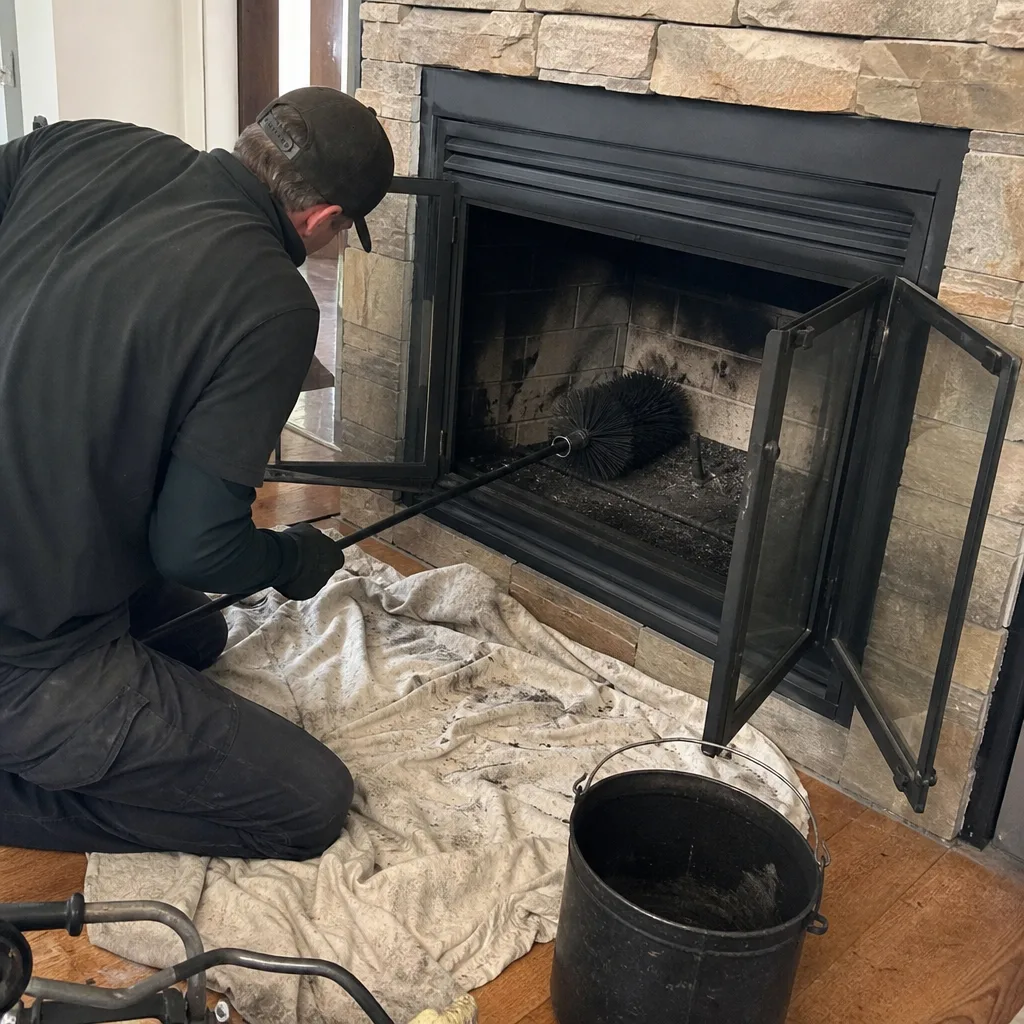
NFPA 211, the National Fire Protection Association standard for chimneys, fireplaces, vents, and solid fuel-burning appliances, defines three inspection levels. Most homeowners encounter only Level 1 during routine maintenance: a visual examination of readily accessible portions. Level 2 is where documentation becomes forensic.
A Level 2 inspection is mandatory under NFPA 11.5.2 when any of these conditions apply:
- Real estate transaction: Property sale, purchase, or transfer of title. This is the most common trigger in Boulder’s active market.
- Appliance change: New fireplace insert, stove, or fuel-type conversion.
- After a chimney fire: Even a “small” fire that the homeowner extinguished. The thermal shock cracks liners in ways invisible from below.
- After external damage: Lightning strike, seismic event, or structural impact (common in Boulder after wind events that topple cottonwoods onto roofs).
- Upon addition or modification: New appliance connected to a common flue, or changes to the flue path.
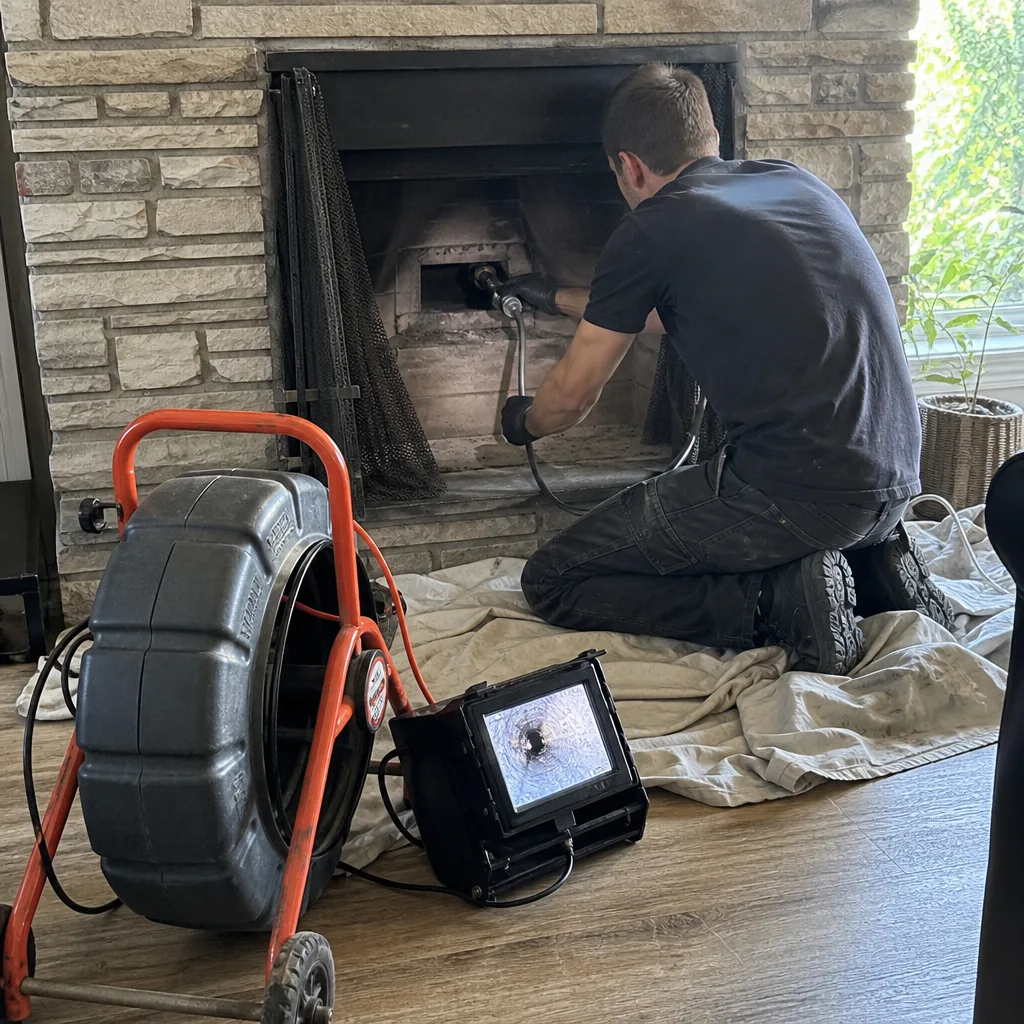
The Level 2 standard requires examination of all accessible portions of the chimney exterior and interior, including areas within attics, crawl spaces, and basements. Critically, it requires a video scan or visual inspection of the interior flue surfaces. That’s where the camera goes down the flue, and where most sweep companies stop offering documentation.
We made camera-scan documentation the default in 2009, before NFPA or insurers required it. That practice became Clause 4 of the Haven Standard. Every Emberly Chimney Cleaners Boulder inspection includes a documented photo record - not as an upsell, but as the baseline of what “inspected” means.
In practice, here’s how this plays out in Boulder. A homeowner in Martin Acres schedules a sweep before listing their 1962 ranch. We find a clay tile liner with spalling (surface flaking from freeze-thaw cycling) and a missing mortar joint at the third course. The Level 2 documentation shows this. The seller can now choose to repair with a listed stainless liner (permit required, disclosure handled) or disclose the condition and adjust price. Without that documentation, the buyer’s inspector finds it three weeks before closing, the deal stalls, and the seller faces a pressured negotiation or repair timeline.
What Colorado’s 2021 IRC Adoption Means for Older Liners
Colorado operates under a modified state building code with local amendments. The 2021 IRC, effective in most jurisdictions including Boulder by 2023, updated chimney and fireplace requirements significantly for liner systems. The critical change for Boulder homeowners: R1001.11 now explicitly requires chimney liners to be “listed and labeled” to UL 1777 or equivalent standards.
Clay tile liners installed before 1994 were never tested to UL 1777. They were accepted by prescriptive code - “if built this way, it’s compliant.” That prescriptive path still exists for unaltered, undamaged systems. But once a permit-triggering modification occurs, or once a Level 2 inspection documents damage, the repair must meet current listed-liner standards.
This creates three categories of Boulder chimneys:
- Unmodified, undamaged pre-1994 clay tile: Still compliant if maintained. No permit, no replacement required.
- Damaged pre-1994 clay tile: Repair or replacement requires a listed liner system. Permit required for the work.
- Any modification to the system: New liner must be listed and labeled. Permit required.
The “1994” date isn’t arbitrary. That’s when UL 1777 testing became widely adopted for stainless steel flexible liners, and when Boulder-area builders began specifying them in new construction. Homes in North Boulder, Chautauqua, and the Hill often have original clay tile from the 1920s through 1980s. We’ve documented liners in Newlands built with 1920s terra cotta that remain structurally sound, and liners in Shanahan Ridge from 1987 that have failed from thermal cycling.
The distinction matters for cost planning. A routine sweep in Boulder runs $200-$350. A listed liner replacement, with permit and inspection, typically ranges $2,800-$5,500 depending on flue length, appliance type, and access difficulty. Knowing which category your chimney falls into - before a real estate deadline or insurance claim - is the purpose of documented inspection.
Materials matter here too. When replacement is indicated, we source liners through DuraFlex and Olympia Chimney, procured through Haven’s buying network to keep customer prices honest. HeatShield is used for cerfractory resurfacing of sound but deteriorated clay tile where full replacement isn’t required. The specific material choice gets documented in the written scope, with warranty terms, before any work begins.
Inspection Records, Insurance Claims, and Colorado Disclosure Law
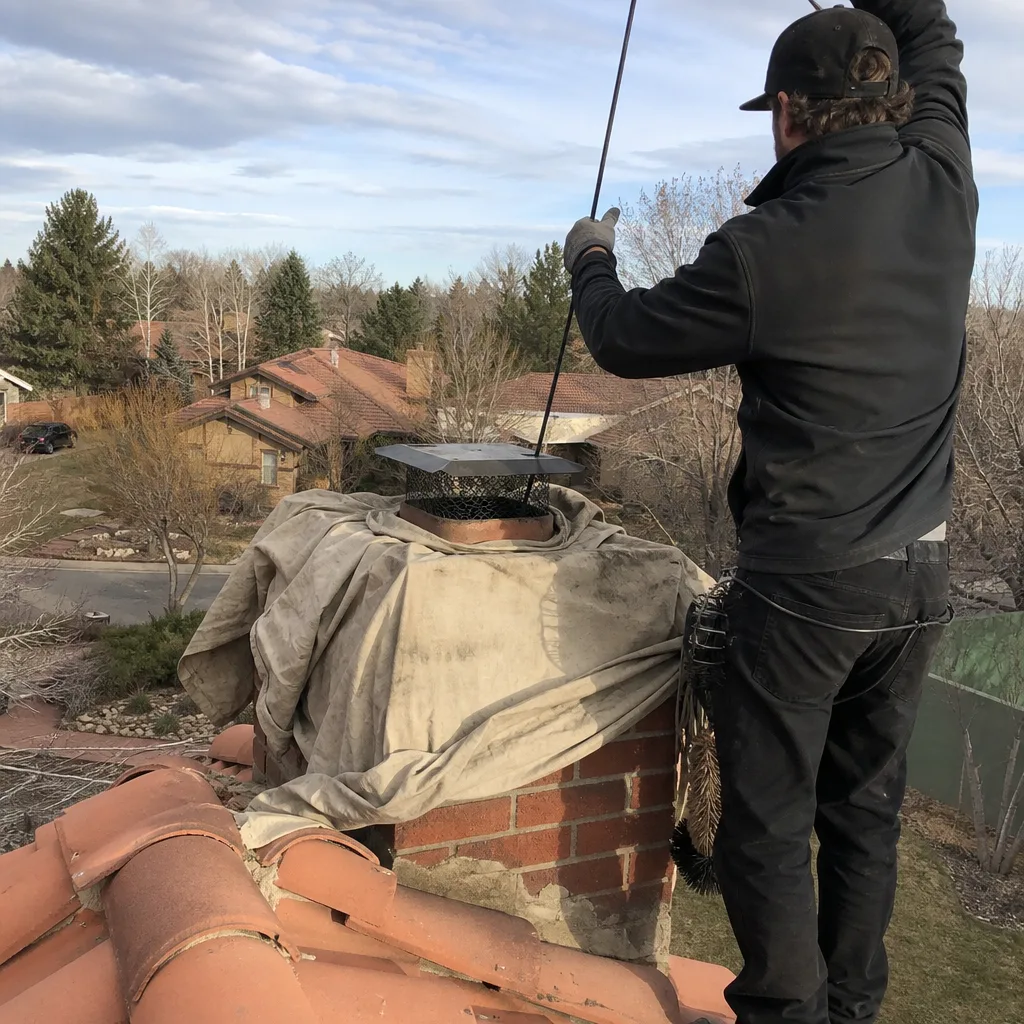
The documented inspection record serves two legal functions most homeowners don’t consider until they’re needed: insurance claim support and real estate disclosure compliance.
Insurance claims: After a chimney fire or related structural damage, insurers investigate whether the chimney was “properly maintained.” A sweep receipt with “cleaned chimney, $225” proves payment, not condition. A Level 2 inspection record with dated photos of flue interior, creosote classification, and liner integrity proves the system was documented as sound (or documented as deficient, with recommended repairs noted). We’ve seen claims denied in Boulder County when the insurer’s adjuster finds a prior sweep receipt but no condition documentation. The homeowner “knew or should have known” the chimney was unsafe.
Real estate disclosure: Colorado statute 38-35.7-101 requires sellers to disclose “known material defects” affecting property value or safety. A documented inspection finding - cracked liner, deteriorated crown, Class III creosote - becomes “known” once it’s in writing. The seller who ignores a sweep company’s written recommendation and doesn’t disclose it faces liability. The seller who has no documentation because they never got a proper inspection faces a different risk: the buyer’s inspector finds what wasn’t found, and questions whether the deficiency was concealed.
In Boulder’s competitive market, we’ve seen transactions in Gunbarrel and South Boulder where chimney documentation became a negotiation point. The seller with a 2023 Level 2 inspection showing clean flue, sound liner, and written warranty on recent cap work had a defensible position. The seller with a 2019 “chimney cleaned” notation from a handyman had to accept a $4,000 credit for buyer-requested inspection and potential repair.
The Haven Standard addresses this directly. Clause 1 requires a written price, written scope, and written warranty before work starts. Clause 4 requires a documented photo record on completion. That documentation becomes the property record the homeowner keeps, transfers, or presents to insurers.
Boulder WUI Zones and Wildfire Mitigation Requirements
Boulder County’s Wildland-Urban Interface (WUI) regulations add a compliance layer that standard IRC doesn’t address. Properties in WUI zones - broadly, the foothills west of Broadway, extending through Nederland, Sunshine Canyon, and parts of Fourmile Canyon - face additional requirements for chimney and venting systems under the International Wildland-Urban Interface Code (IWUIC) as locally amended.
Key WUI requirements affecting chimney work:
- Spark arrestors: Required on all chimneys in WUI zones, with specific mesh sizing (typically 1/2-inch or smaller). Standard rain caps often don’t qualify.
- Ember-resistant construction: Chimney penetrations through roofs must be sealed with ember-resistant materials; gaps in chase construction are common failure points.
- Vegetation clearance: While not strictly chimney code, WUI inspection includes 10-foot minimum clearance from chimney termination to tree canopy - a standard we document during exterior examination.
- Annual inspection requirement: Some Boulder County WUI properties with CWPP (Community Wildfire Protection Plan) participation require documented annual chimney inspection as a condition of mitigation certification.
The intersection with standard chimney codes creates complexity. A homeowner in Pine Brook Hills might have a sound, listed liner that meets IRC but a cap assembly that fails WUI spark arrestor requirements. Or a chase cover with rust perforation that doesn’t affect draft but creates ember vulnerability. Our inspections document both code sets where applicable, with photos showing each condition separately.
We’ve worked with Boulder County’s Wildfire Partners program, which offers mitigation assessments to WUI homeowners. Their inspectors review our chimney documentation as part of structure hardening evaluations. A complete record - not just “swept and inspected” but “flue scanned, cap measured, clearance documented” - moves those assessments faster and with fewer return visits.
Who Pulls the Permit: Homeowner vs. Contractor
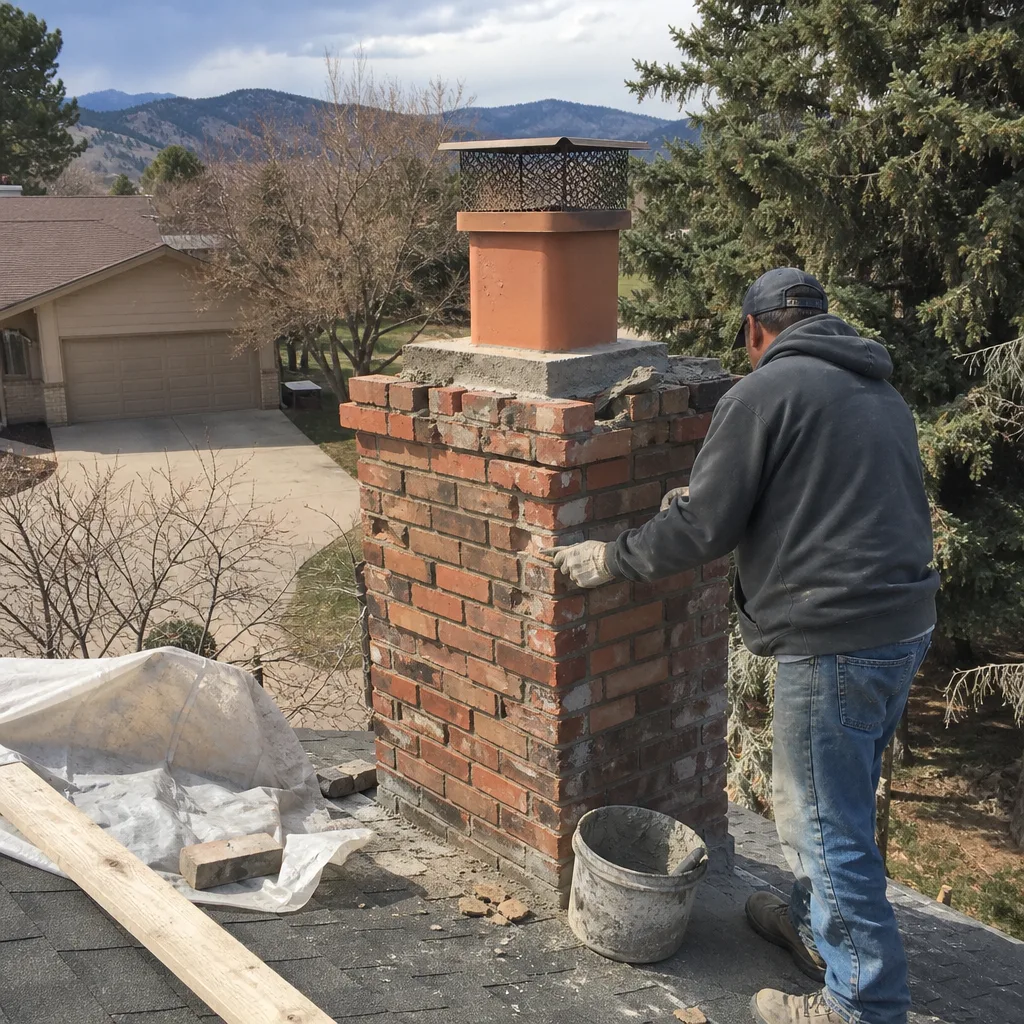
In Boulder and Boulder County, the property owner can pull any building permit. For chimney work, the practical question is who should, and what responsibility follows.
Homeowner pulls permit: Saves the contractor’s administrative fee (typically $150-$300). The homeowner becomes the “owner-builder,” responsible for scheduling inspections, correcting deficiencies, and ensuring code compliance. If the work fails inspection, the homeowner coordinates rework. This path works for experienced DIYers doing cap replacement or minor crown repair. It does not work well for liner replacement or structural rebuilds, where multiple inspection points and trade coordination are involved.
Licensed contractor pulls permit: The contractor becomes responsible for code compliance, inspection scheduling, and correction of deficiencies. The permit record shows the contractor’s license number, creating accountability. This is standard practice for Emberly Chimney Cleaners Boulder on all permit-required work.
Here’s the practical sequence we follow:
- Level 2 inspection documents condition and identifies permit-triggering work.
- Written scope and price delivered to homeowner (Haven Standard Clause 1).
- Upon approval, Emberly pulls permit using our contractor license.
- Rough inspection scheduled after liner installation or structural repair, before closing.
- Final inspection after completion, with photo documentation added to job record (Haven Standard Clause 4).
- Homeowner receives permit closure certificate and completed documentation package.
Boulder Building Services typically processes chimney permits within 3-5 business days for standard liner replacement. Structural rebuilds or historic preservation district properties (downtown Boulder, Mapleton Hill) may require plan review extending to 2-3 weeks. We schedule inspections at rough and final stages, with our technician present to demonstrate compliance to the inspector.
One Boulder-specific note: properties in historic districts require Landmark Preservation review for any visible chimney modification. We’ve handled cap and crown replacements on Mapleton Hill homes where the color match to existing masonry required sample approval. That process adds 2-4 weeks and is separate from building permit timing.
What Your Documented Inspection Record Must Show
Not all inspection documentation is equal. A useful record - one that supports insurance claims, real estate disclosure, or permit applications - contains specific elements that most “sweep and inspect” services omit.
The minimum documented record for legal and compliance purposes:
- Dated identification: Property address, homeowner name, technician name and license number.
- Appliance and chimney specifications: Manufacturer, model, fuel type, flue dimensions, liner material and condition.
- Creosote classification: Class I (sooty), Class II (granular), or Class III (glazed, requiring chemical treatment or removal). This affects cleaning method and fire risk assessment.
- Photo or video documentation: Flue interior from top to bottom, smoke chamber, firebox, damper assembly, exterior crown, cap, and clearances.
- Measured conditions: Flue draft pressure, clearance measurements to combustibles where accessible, crack dimensions if present.
- Written findings: Specific conditions found, not generic “chimney in fair condition” language. “Third course clay tile shows 1/4-inch displacement with visible mortar loss” is defensible; “some wear noted” is not.
- Recommendations with priority: Immediate safety hazards, recommended repairs with timeline, optional improvements.
- Written price for recommended work: Itemized scope, materials specified by brand or standard, warranty terms.
We’ve maintained this standard since 2009, across 38,000+ inspections. The archive is searchable by address. When a homeowner in Boulder calls five years after their last sweep, we can pull the prior record and compare conditions - showing progression of a crack, or confirming that a repair we recommended was or wasn’t completed.
This matters for permit applications. Boulder Building Services sometimes requests prior inspection records when a permit application describes “repair of existing condition.” A documented history showing when the condition was first identified, and what was recommended, supports the permit scope and can justify work that might otherwise require more extensive engineering review.
Permit Costs and Inspection Timelines in Boulder
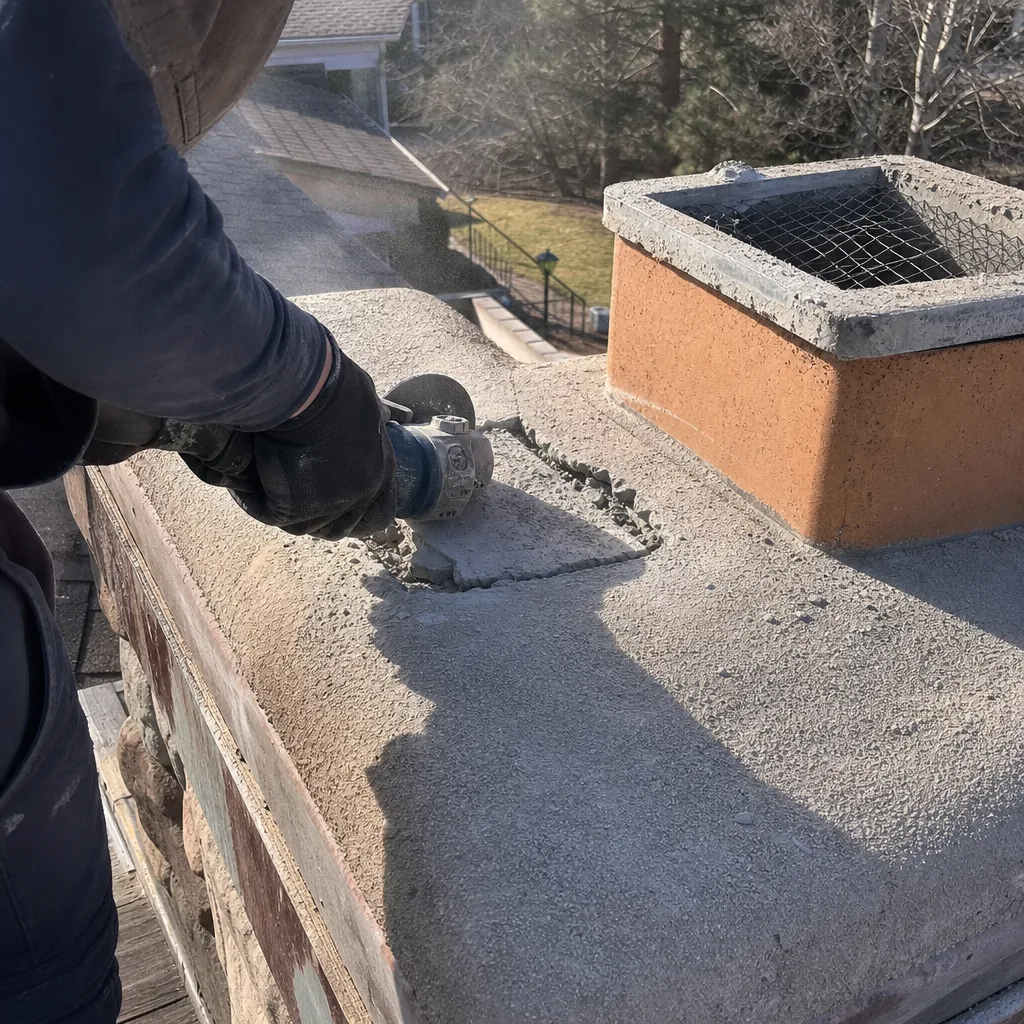
Permit costs in Boulder scale with project value, with specific fee schedules for chimney work. Here’s the current structure (subject to annual adjustment by City Council):
| Project Type | Permit Fee Range | Inspection Stages |
|---|---|---|
| Chimney liner replacement | $180-$340 | Rough (liner in place), Final (connected and operational) |
| Crown repair/replacement (25%+) | $120-$220 | Final only |
| Structural rebuild (above roofline) | $280-$520 | Foundation/footing (if applicable), Framing, Final |
| Fireplace insert installation | $160-$300 | Rough (clearances), Final (operational test) |
| Gas conversion | $200-$380 | Rough (gas line pressure test), Final |
Boulder County fees run approximately 15% lower for unincorporated properties, with WUI additions adding $75-$150 for spark arrestor verification and ember-sealing inspection.
Timeline realities: permit issuance is the fast part. Inspection scheduling is where delays occur. Boulder Building Services offers inspection appointments typically 3-5 days out during peak season (September-November), and 1-2 days in off-season. We schedule around homeowner availability and coordinate our technician presence. For Chimney Repair in Boulder projects requiring multiple inspections, we batch scheduling to minimize homeowner disruption.
One cost homeowners often miss: the re-inspection fee. If work fails initial inspection due to code deficiency, Boulder charges $85-$125 for return inspection. This is why we conduct internal quality verification before calling for official inspection - checking liner termination height, cap overhang, clearance measurements against code tables. The Haven Standard’s written price includes this verification labor; we don’t add charges for re-inspection caused by our oversight.
For materials, we specify brands in our written scope: DuraFlex for most flexible liner installations, HeatShield for cerfractory resurfacing, Gelco for specific cap and damper assemblies. This specificity matters for permit applications, which require “listed and labeled” materials identified by manufacturer. Generic “stainless liner” language gets permit applications returned for revision.
Common Mistakes to Avoid
- Assuming a sweep receipt proves compliance. Payment for cleaning doesn’t document condition. Insurers and buyers’ inspectors look for dated photo evidence of flue integrity, not a credit card slip.
- Starting repair work before permit approval. Boulder Building Services can require removal of unpermitted work for inspection access. We’ve seen liner installations pulled out at homeowner expense because the contractor “started while waiting for permit.”
- Ignoring WUI requirements in foothills properties. A standard cap that passes IRC may fail Boulder County WUI inspection. The $40 difference between a rain cap and a listed spark arrestor becomes a permit holdup.
- Disclosing “chimney inspected” without specifying level. Colorado disclosure forms ask about known defects. “Level 1 inspected annually” alongside a hidden Level 2 finding of liner damage creates liability if the defect manifests after sale.
- Accepting verbal estimates for permit-required work. Haven Standard Clause 1 exists because verbal scopes can’t be attached to permit applications, compared to competing bids, or enforced if disputes arise. Written price, written scope, written warranty - always.
- Delaying documentation until sale preparation. The chimney with progressive liner deterioration from 2019-2024 has a history. One documented scan showing crack progression supports a maintenance narrative; one scan at sale time showing failure suggests neglect.
- Hiring unlicensed contractors for permit work. Boulder requires contractor licensing for all permit-pulled chimney work. Unlicensed work voids permit validity and homeowner insurance coverage if damage occurs.
When to Call a Professional
Call a certified chimney professional - or explore more guides & resources - when any of these conditions apply: you’re buying or selling a home and need documentation for transaction or disclosure; you’ve changed appliances or fuel types; you’ve had a chimney fire, even a minor one; your chimney is in a Boulder County WUI zone and you need wildfire mitigation certification; or you’ve received a repair recommendation from any sweep and want a second opinion with photo documentation.
Emberly Chimney Cleaners Boulder offers free estimates in Boulder - call (970) 598-0453. Every estimate includes a written scope, written price, and explanation of whether permit work is anticipated. We don’t start work without that documentation, and we don’t recommend repairs without camera evidence you can see for yourself. If work can safely wait, we’ll say so plainly.
Frequently Asked Questions
A professional chimney sweep in Boulder typically costs $200-$350 for a standard fireplace system, with multi-flue or commercial systems running higher. At Emberly Chimney Cleaners Boulder, every sweep includes NFPA 211 Level 1 examination and, where indicated, Level 2 camera-scan documentation with dated photo record under Haven Standard Clause 4. Call (970) 598-0453 for an exact quote - estimates are free.
Not always. A single hairline crack in an otherwise sound clay tile system may be monitorable with annual Level 2 inspection. Multiple cracks, displacement, or missing mortar joints typically require repair or replacement to meet current code when any permit-triggering work occurs. We document the specific crack pattern and location so you can make an informed decision with evidence, not pressure. Call (970) 598-0453 for a documented evaluation.
NFPA 211 recommends annual inspection, with cleaning frequency based on use and fuel. In Boulder, where temperature swings from 0°F to 60°F within winter weeks accelerate thermal cycling, we see more rapid liner deterioration in heavily used systems. Most wood-burning homeowners need annual sweeping; gas systems often extend to biennial inspection with cleaning as indicated by camera evaluation. The specific interval depends on what the flue shows, not the calendar.
Skipped maintenance leads to creosote accumulation, which increases chimney fire risk and can produce carbon monoxide if draft is compromised. In Boulder’s competitive real estate market, it also creates disclosure liability: a known condition that wasn’t addressed becomes a material defect if documented or discoverable. Insurance claims for chimney-related damage may be denied if maintenance records don’t exist. The cost of documented maintenance is predictable; the cost of deferred maintenance is not.
Homeowners can pull permits for work on their own property. For chimney liner replacement, structural repair, or appliance installation, we recommend having Emberly Chimney Cleaners Boulder pull the permit as the licensed contractor. This places code compliance responsibility with us, includes our license number on the permit record, and ensures inspection scheduling is handled by technicians who know the specific requirements. The administrative cost is included in our written price.
Level 1 is visual examination of readily accessible portions without specialized equipment - appropriate for annual maintenance of unchanged systems. Level 2 requires examination of all accessible areas including attics and crawl spaces, and mandatory camera scan or video inspection of the flue interior. In Boulder, Level 2 is required for real estate transactions, appliance changes, after chimney fires, and after external damage. Emberly Chimney Cleaners Boulder includes camera documentation as standard on every inspection, not as an optional upgrade.
The Bottom Line
Chimney cleaning doesn’t require a permit in Colorado, but the condition it reveals often triggers permit-required work that does. The critical variable is documentation: a dated, photo-recorded, written inspection report that separates routine maintenance from code compliance evidence. In Boulder’s market - with 2021 IRC liner standards, WUI wildfire requirements, and active real estate disclosure law - that documentation protects against failed inspections, insurance denials, and transaction delays. Get the inspection before you need the proof.
For Fireplace Services in Boulder or to schedule a documented inspection, call Emberly Chimney Cleaners Boulder at (970) 598-0453. Written price before work starts, photo record on every visit, 365-Day Done Right Promise.
Written by Corrine Halstead, Owner at Emberly Chimney Cleaners Boulder, serving Boulder since 2009.