
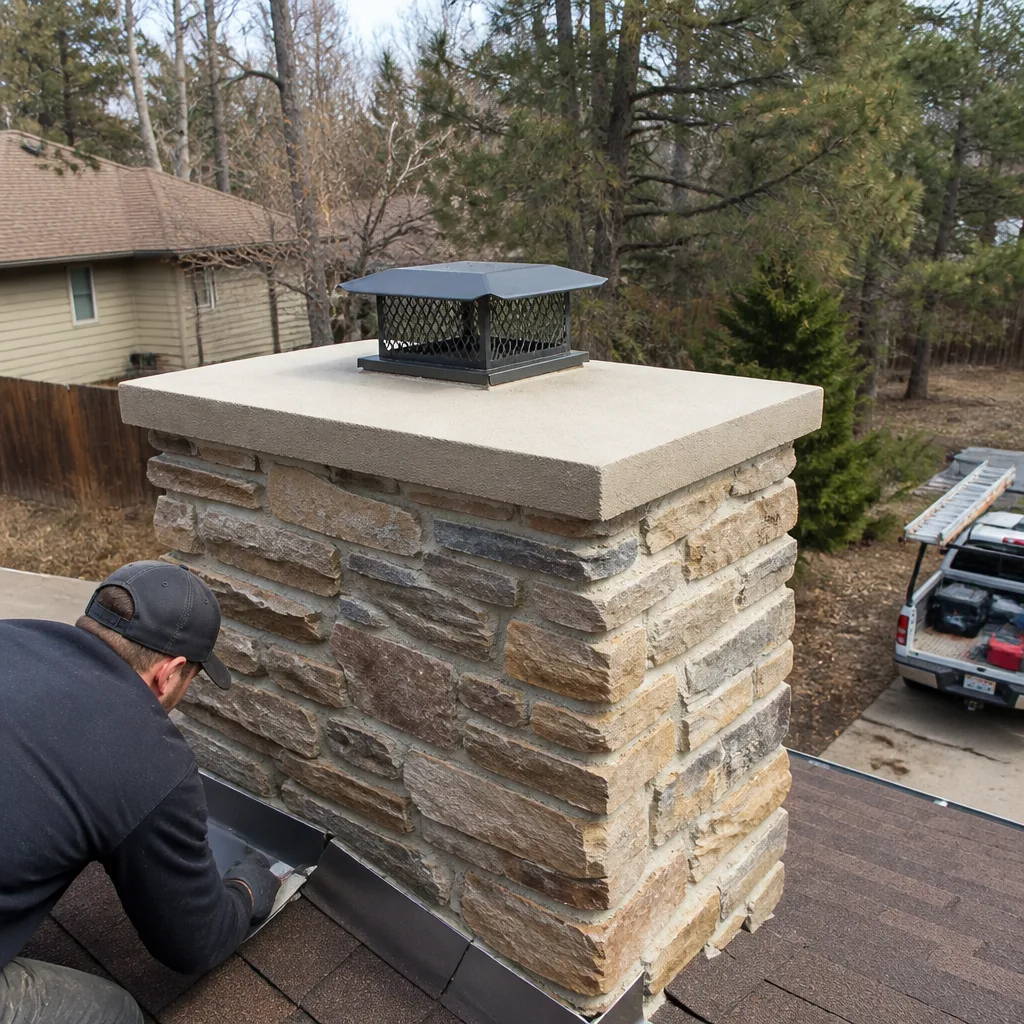
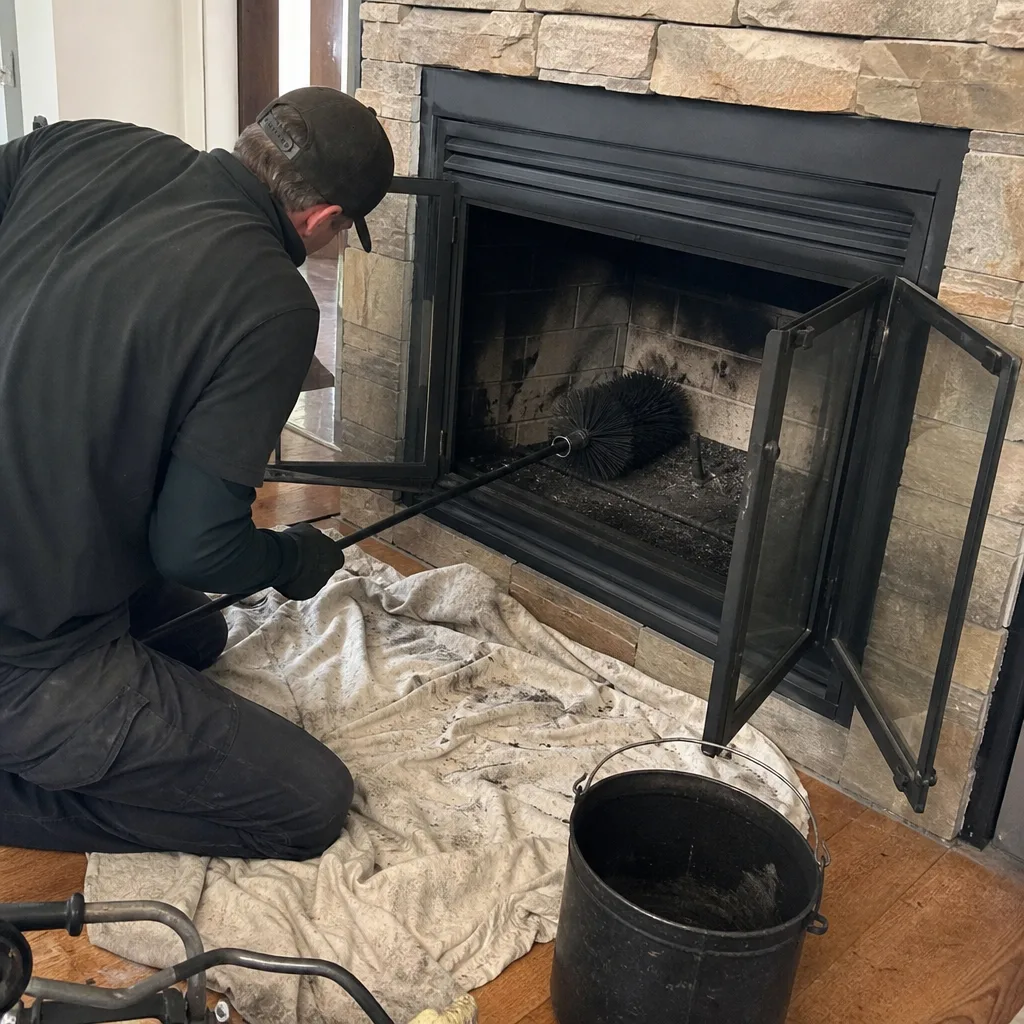
Level 1 sweep and inspection to the NFPA 211 annual standard - flue, crown, cap, and flashing checked and photographed
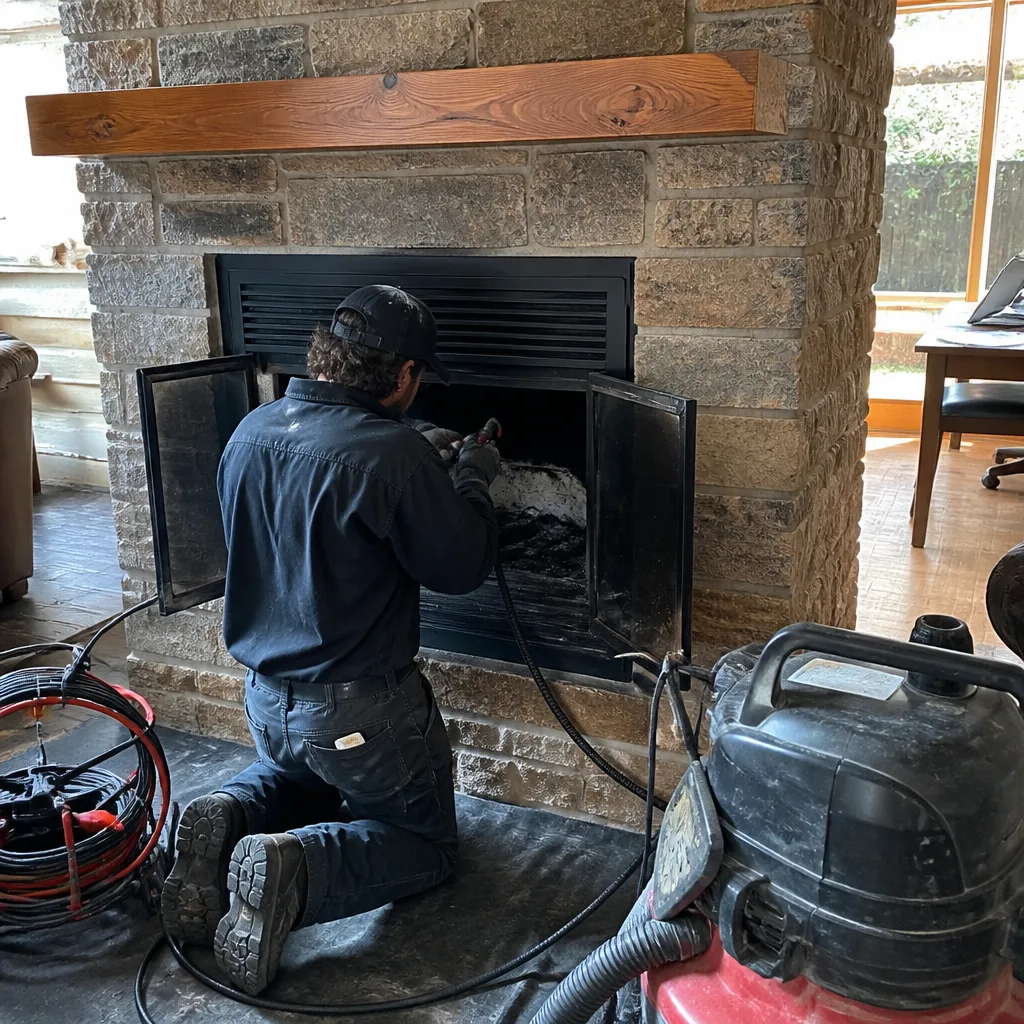
Chimney sweep logs do not sweep chimneys. They loosen some creosote - which then falls where a brush and vacuum still have to collect it.
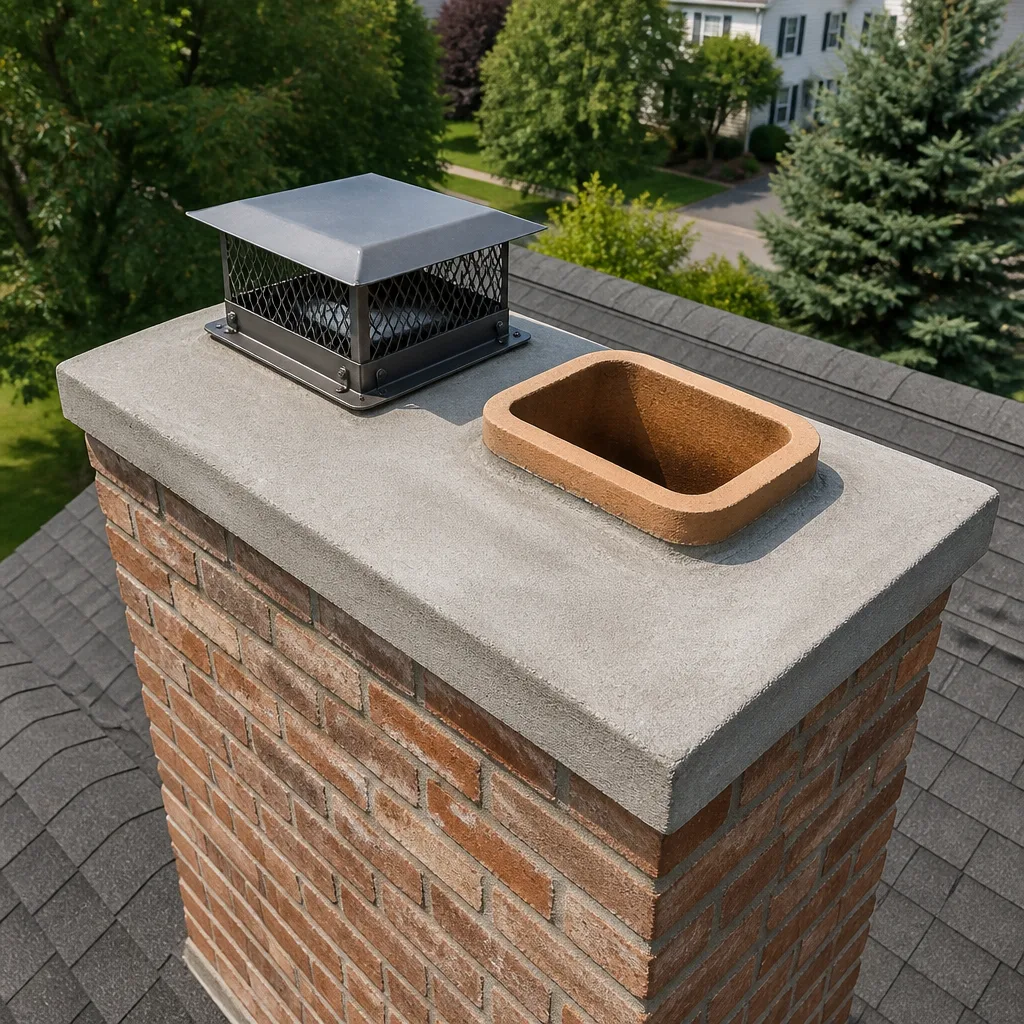
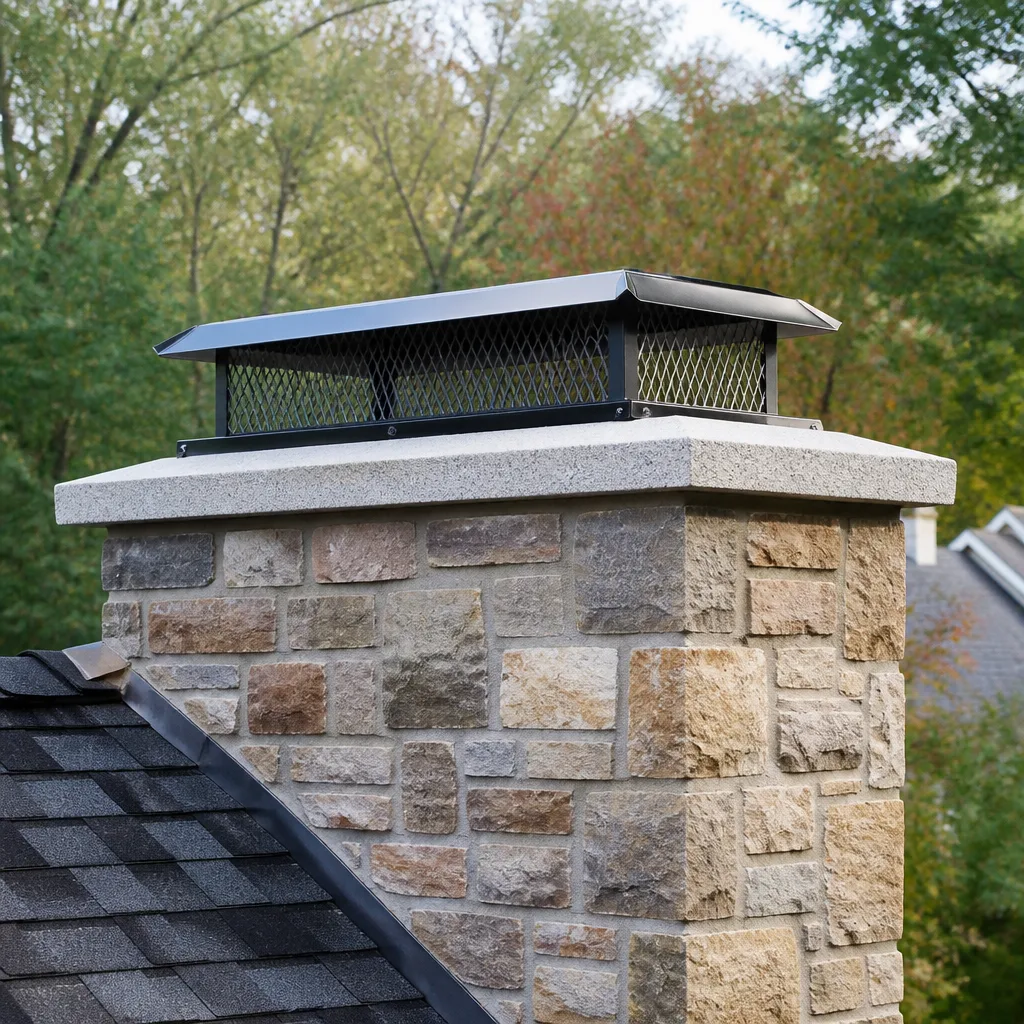
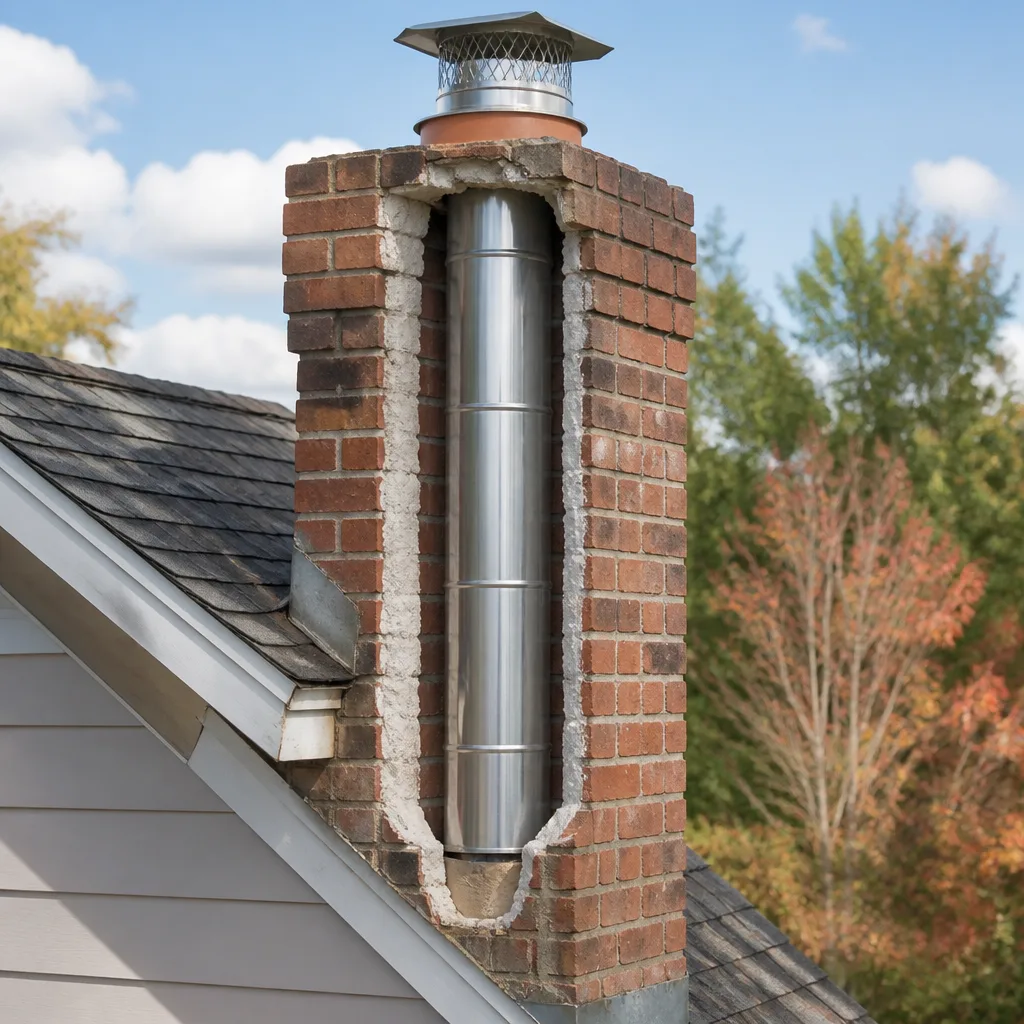
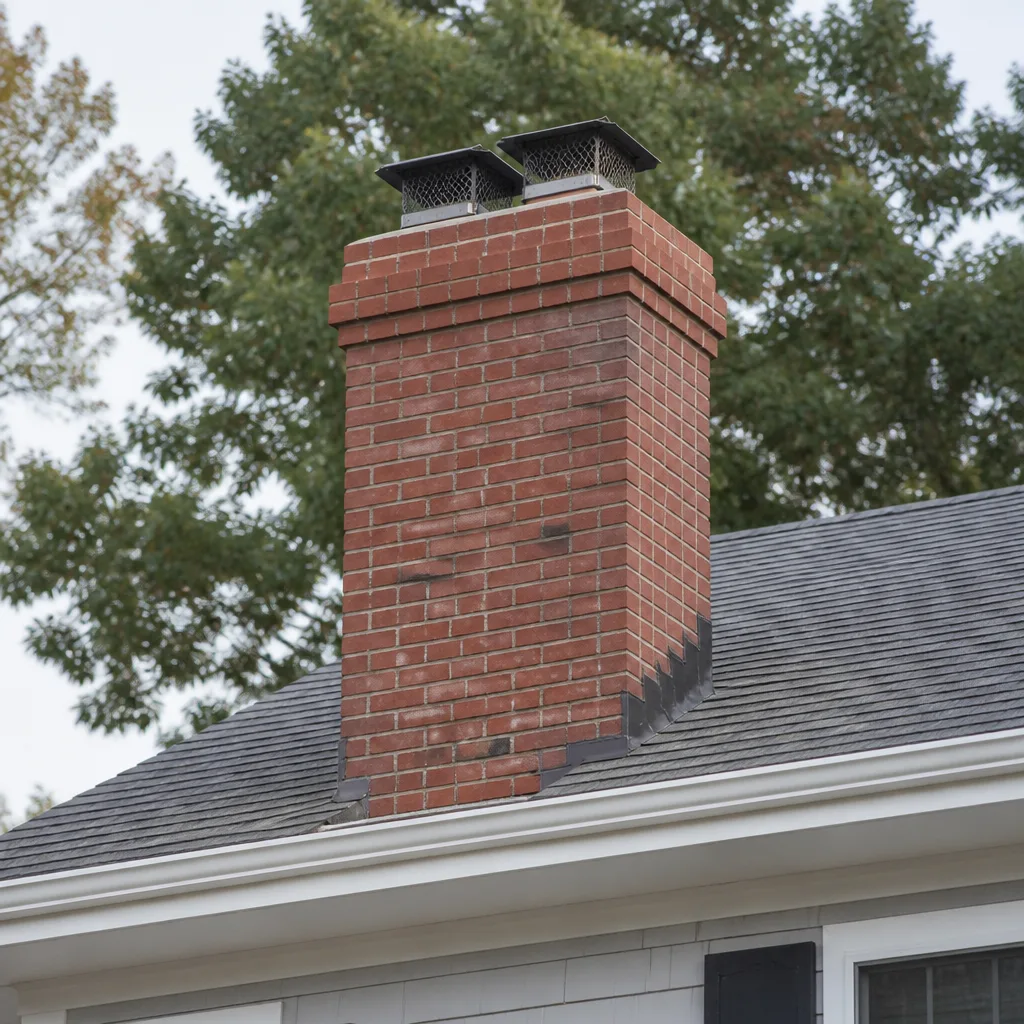
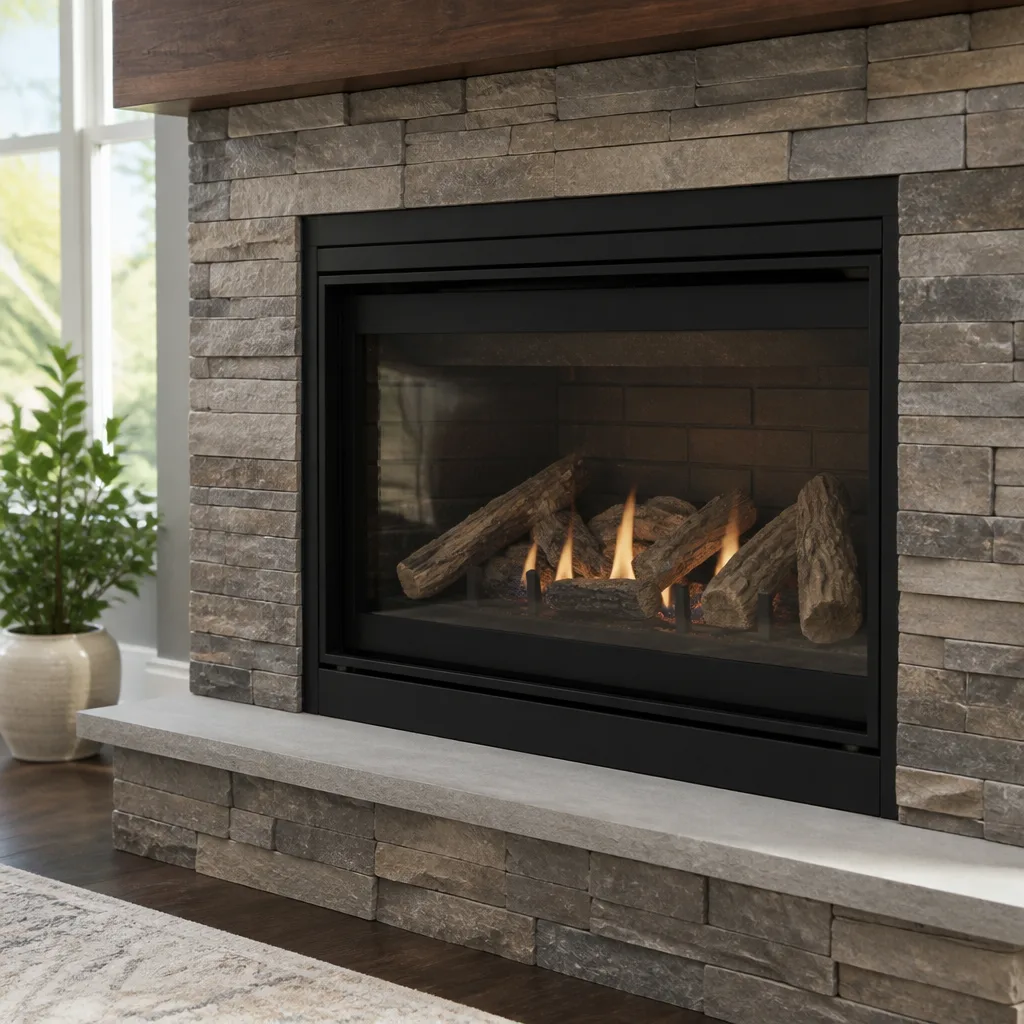
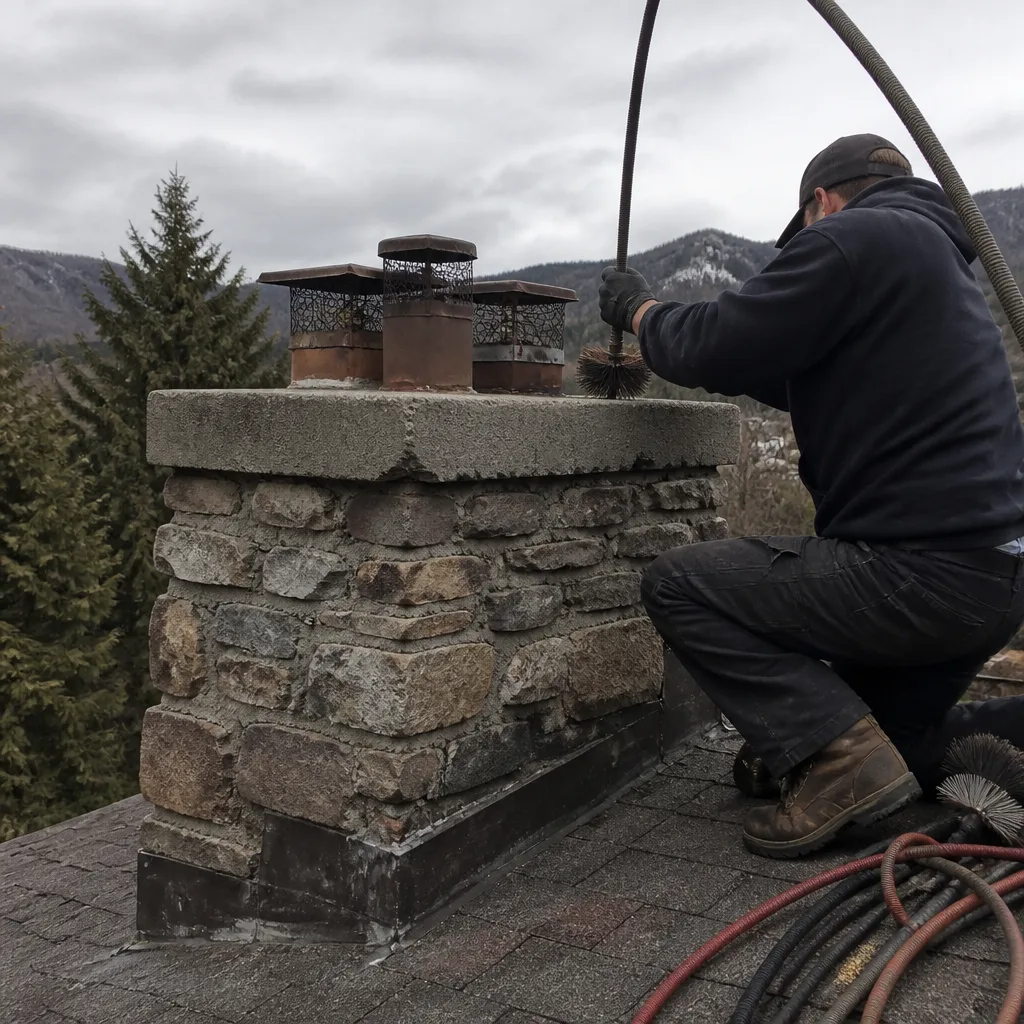 Before
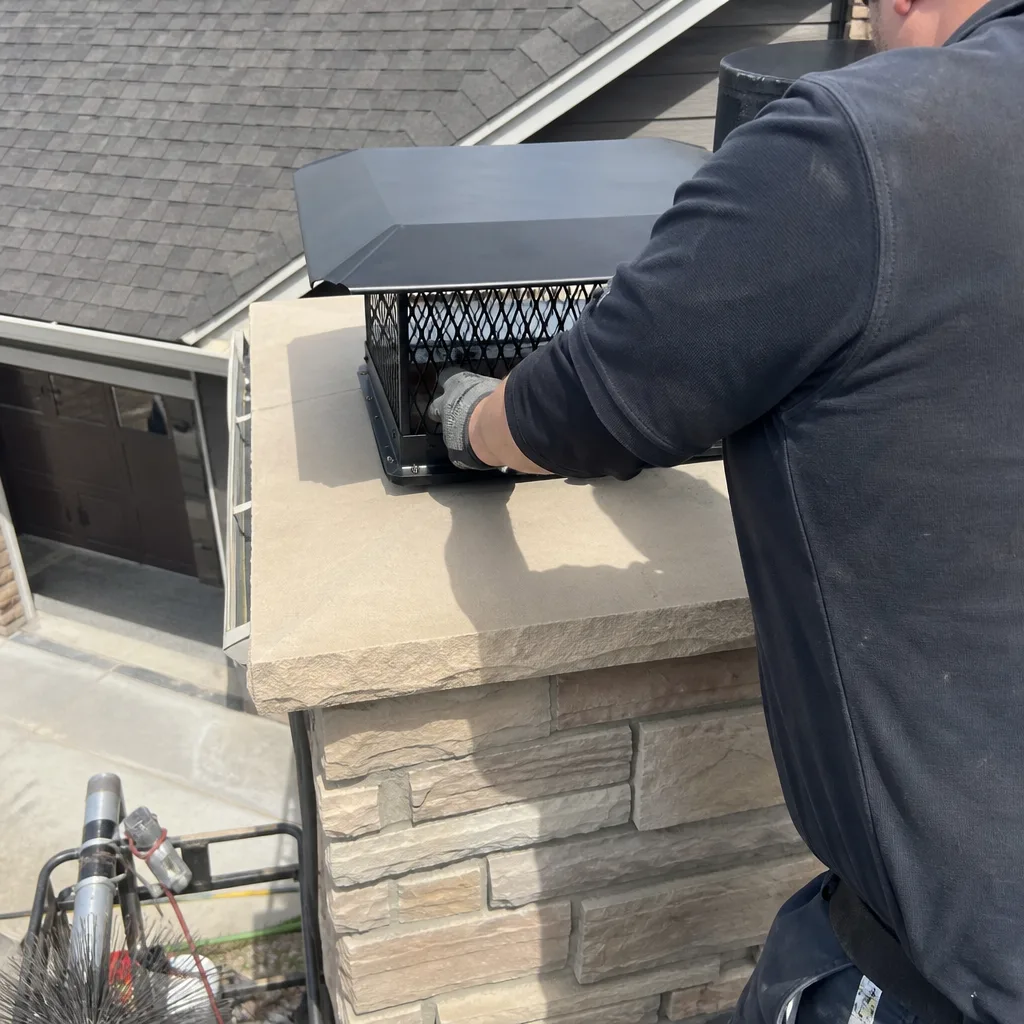 After
After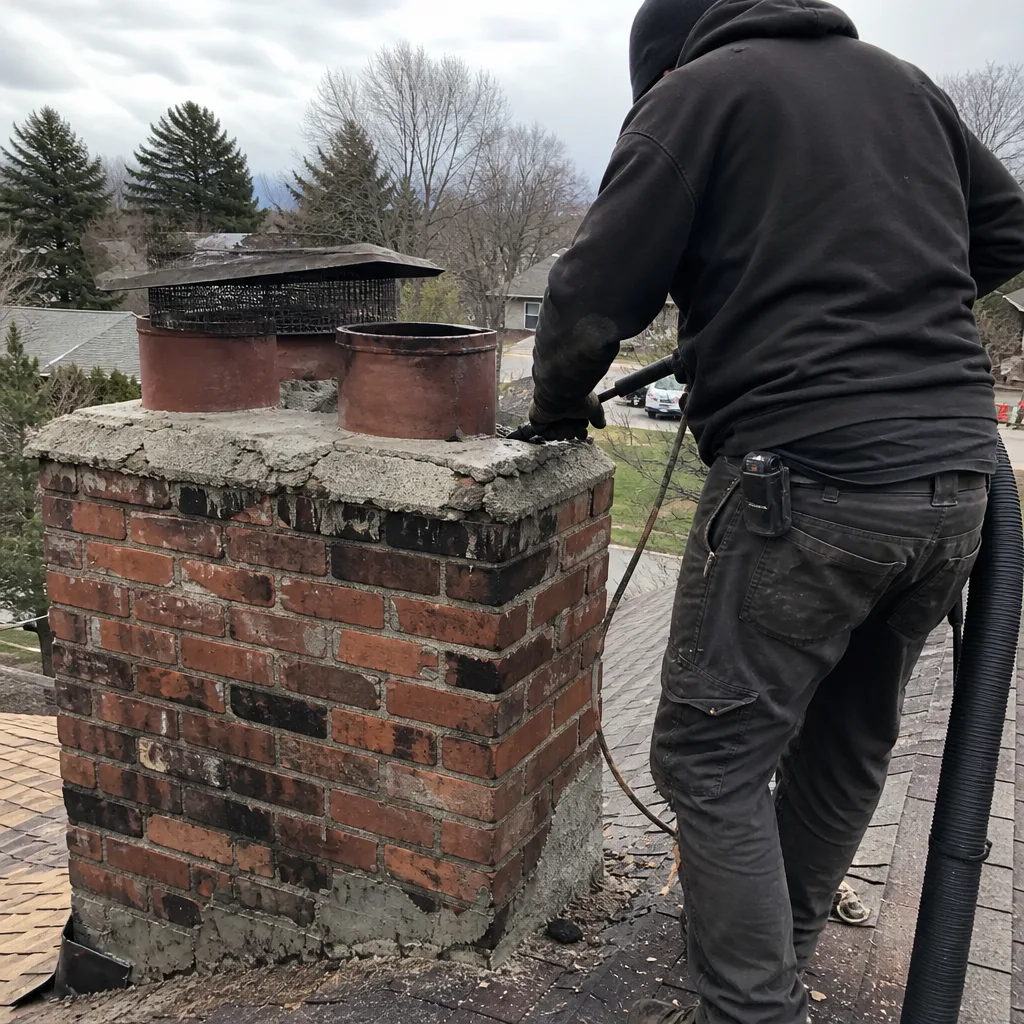 Before
 After
After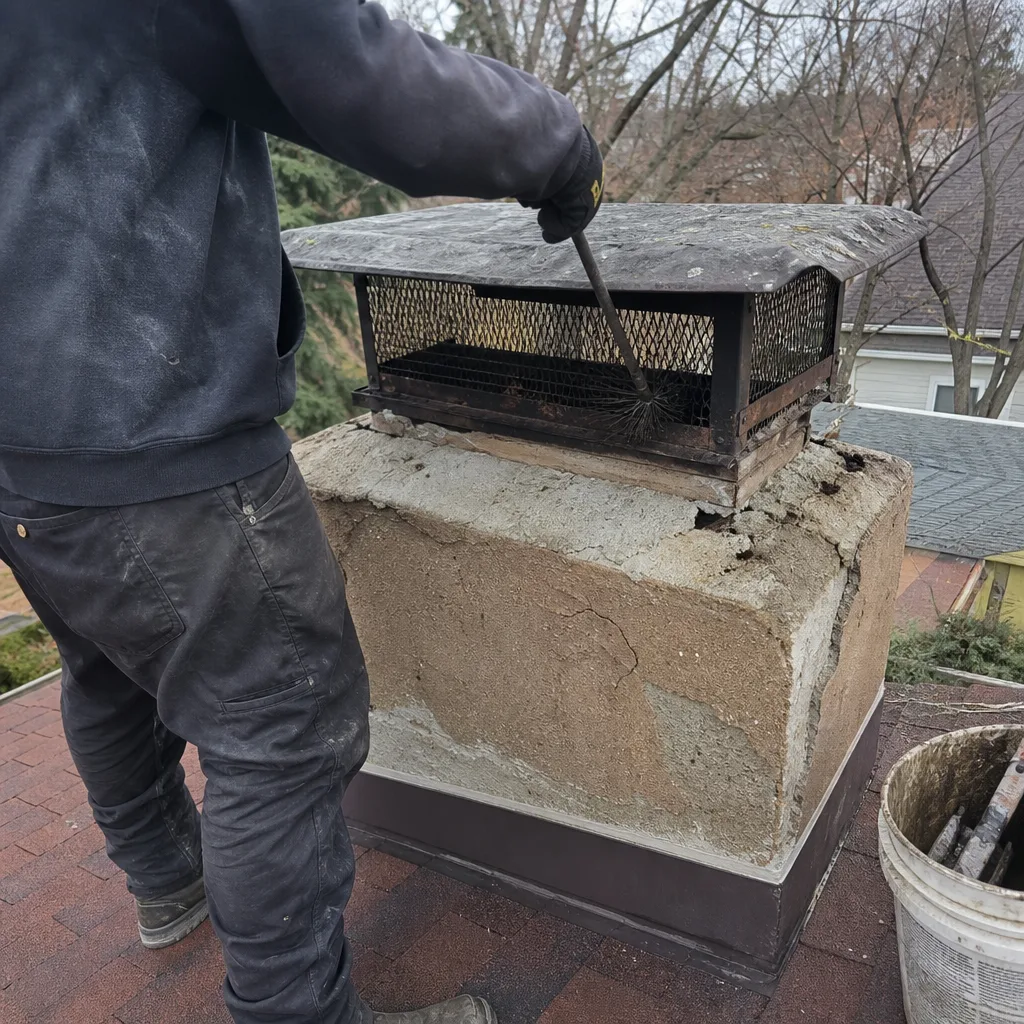 Before
 After
AfterFamco Flue Liner Replacement: The Boulder Owner’s Guide
Famco flue liner replacement in Boulder typically runs $1,800-$3,400 installed, depending on diameter, height, and whether the chase needs reframing. We stock Famco-compatible alloy and stainless liner sections on our trucks, and most replacements are completed in a single day once we’ve camera-scanned the flue and delivered a written quote. Most Boulder homeowners discover the problem during a routine sweep when the camera reveals cracking, separation at the collar joints, or thin spots where the alloy has corroded through.
The dry winters and freeze-thaw cycles here accelerate what would be a ten-year liner back east into a six- to eight-year lifespan. Corrine Halstead and our crew have replaced Famco liners throughout Boulder, from the masonry chimneys in Mapleton Hill to the prefab systems in newer builds near Chautauqua, and the failure pattern is usually the same: the collar joint above the smoke chamber opens first, or the lower section below the roofline pinholes from condensation cycling.
Which Famco Models This Applies To
Famco manufactured flue liners in several alloy grades and diameters from the early 1990s through the mid-2010s, with the FL-series (FL-6, FL-7, FL-8) and the later FLS stainless models being the most common in Boulder County installations. The identification label is typically stamped on the top collar or, on older units, embossed on a tag near the cleanout door. If the label is missing, we measure the inner diameter at the thimble and the overall run from appliance connection to termination, then match alloy grade by magnet test: 430-series stainless sticks to a magnet; 304 and 316 do not.
OEM Famco liner sections are no longer manufactured, so replacement requires either New-Old-Stock (limited and priced at a premium) or quality aftermarket equivalents from Olympia Chimney and Copperfield, which we source through Haven’s buying network. The aftermarket collars are slightly thicker-gauge than original Famco spec, which is an improvement, not a compromise, for Boulder’s altitude and temperature swings. One compatibility gotcha: early FL-series used a proprietary twist-lock collar that does not mate with standard snap-lock aftermarket sections. We stock adapter collars specifically for this transition.
Signs Your Famco Flue Liner Replacement Is Failing
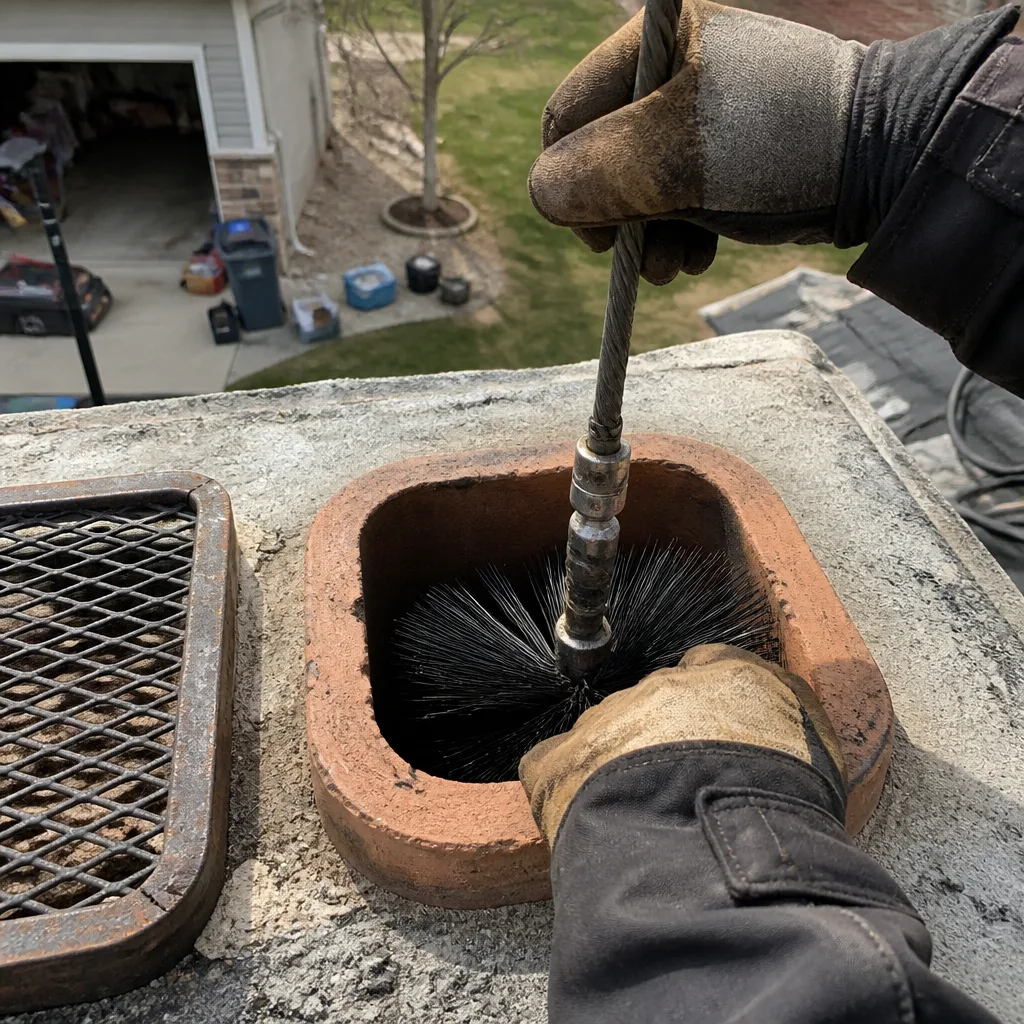
- White or orange staining on exterior masonry below the roofline. This is condensate leaching through pinholes in the lower liner section. In Boulder’s dry climate, the stain shows up as efflorescence or rust streaks on the chase brick, and it means exhaust gases are cooling below dew point before reaching the termination.
- Smoke smell in the house when the system is cold. A separated collar joint or crack in the liner allows draft reversal when there’s no heat column. We see this most often in two-story homes in North Boulder where the flue run exceeds 25 feet and the Famco liner was undersized for the appliance BTU output.
- Chunks of clay tile in the firebox or cleanout. If your chimney was originally clay-lined and the Famco liner was a retrofit, liner failure exposes the old tile to rapid thermal shock. The tile spalls and falls, which means you’re now venting through a partially unlined flue.
- Visible gaps or waviness in the liner wall on flashlight inspection. The camera confirms what the flashlight suggests: crevice corrosion at the weld seams, or “alligatoring” of the alloy surface from repeated condensation cycling. This is progressive; once visible, replacement is not deferrable through another burning season.
- Carbon monoxide detector alerts during startup or shutdown. A compromised liner can reverse draft or spill combustion gases into the chase cavity, especially in tightly sealed modern homes near Baseline Reservoir where negative pressure is common. This symptom demands immediate shutdown and inspection.
BeforeAfterReplacement Cost & What’s Included
| Component | Typical Range (Boulder) |
|---|---|
| Famco-compatible liner section(s), 6″-8″ diameter | $680-$1,200 |
| Collar adapters, termination cap, insulation wrap | $340-$580 |
| Labor: removal, camera verification, installation | $780-$1,620 |
| Total installed, typical single-flue replacement | $1,800-$3,400 |
What drives the range: flue height (a three-story Victorian on The Hill runs more labor than a ranch near Foothills Parkway), diameter upsizing if the original Famco was undersized for the appliance, and whether the chase top needs reframing to accommodate a new termination height. Every quote is delivered in writing before work starts, with the scope, the warranty, and the final price on one page. Haven Standard Clause 1 requires it. The liner and labor carry our 365-Day Done Right Promise, and the photo record of the completed installation is archived under Clause 4.
DIY or Call Us?
There’s a safe middle ground and a hard stop. A homeowner can verify the model stamp, measure the flue run, and check the cleanout for debris or staining. That’s useful information, and it speeds our quote.
The hard stop is the work itself. Flue liner replacement requires working at roof height with the appliance disconnected, the old liner extracted (often requiring cutting if it’s seized), and the new liner dropped with proper insulation spacing and collar sealing. A dropped liner or improper seal creates a carbon monoxide pathway into living space. The camera doesn’t guess. Neither do I. We don’t recommend this as DIY, and our insurance won’t cover a homeowner injury on their own roof.
Call (970) 598-0453 and we’ll book a camera inspection. The scan takes about 45 minutes, you’ll see what we see on the monitor, and the written quote follows before any work is scheduled.
FAQs
In Boulder’s climate, six to eight years for the original alloy FL-series, ten to fifteen for the later FLS stainless models, assuming annual sweeping and dry firewood. The altitude and dry air accelerate thermal cycling stress compared to sea-level installations. Call (970) 598-0453 for an exact assessment of your liner’s remaining life.
Localized cracks at the collar can sometimes be addressed with a stainless sleeve or HeatShield cerfractory sealant if the damage is above the smoke chamber and the remaining liner wall thickness is adequate. We determine this by camera measurement, not guesswork, and we’ll show you the footage before recommending either path. Call (970) 598-0453 for a free second opinion on any repair-versus-replace question.
Most single-flue Famco replacements are completed in four to six hours once work begins, with the system test-fired and documented before we leave. Two-flue chimneys or chase reframing adds a half day. We schedule the inspection and the installation as separate appointments so you’re never committed to same-day work without a written quote in hand.
We carry 6″, 7″, and 8″ diameter stainless liner sections, collars, and termination caps for Famco-compatible installation on every service truck, along with the adapter collars for early FL-series twist-lock transitions. If your system requires an unusual diameter or a custom termination for Boulder’s wind exposure, we source through Haven’s network and typically have it within 48 hours.
Written by Corrine Halstead, Owner, Emberly Chimney Cleaners Boulder at Emberly Chimney Cleaners Boulder, serving Boulder and nearby areas.