
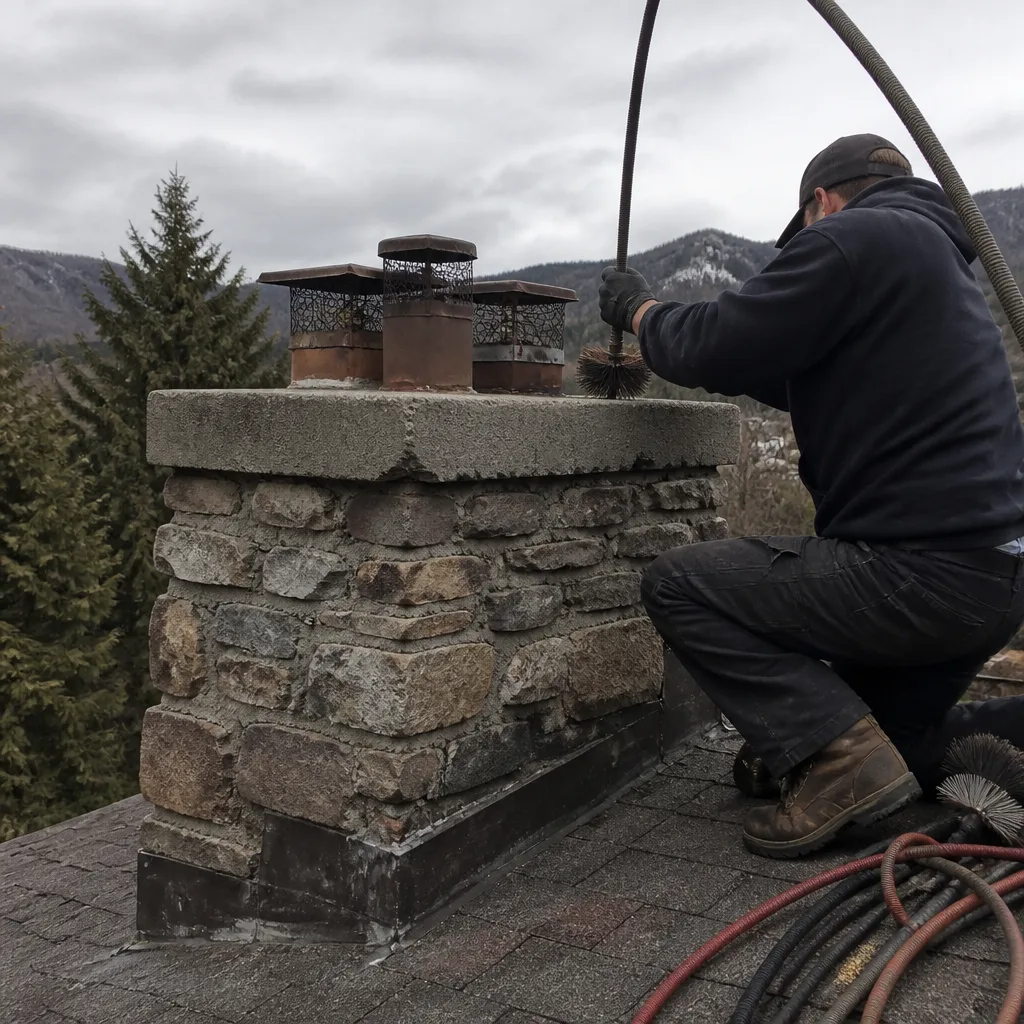
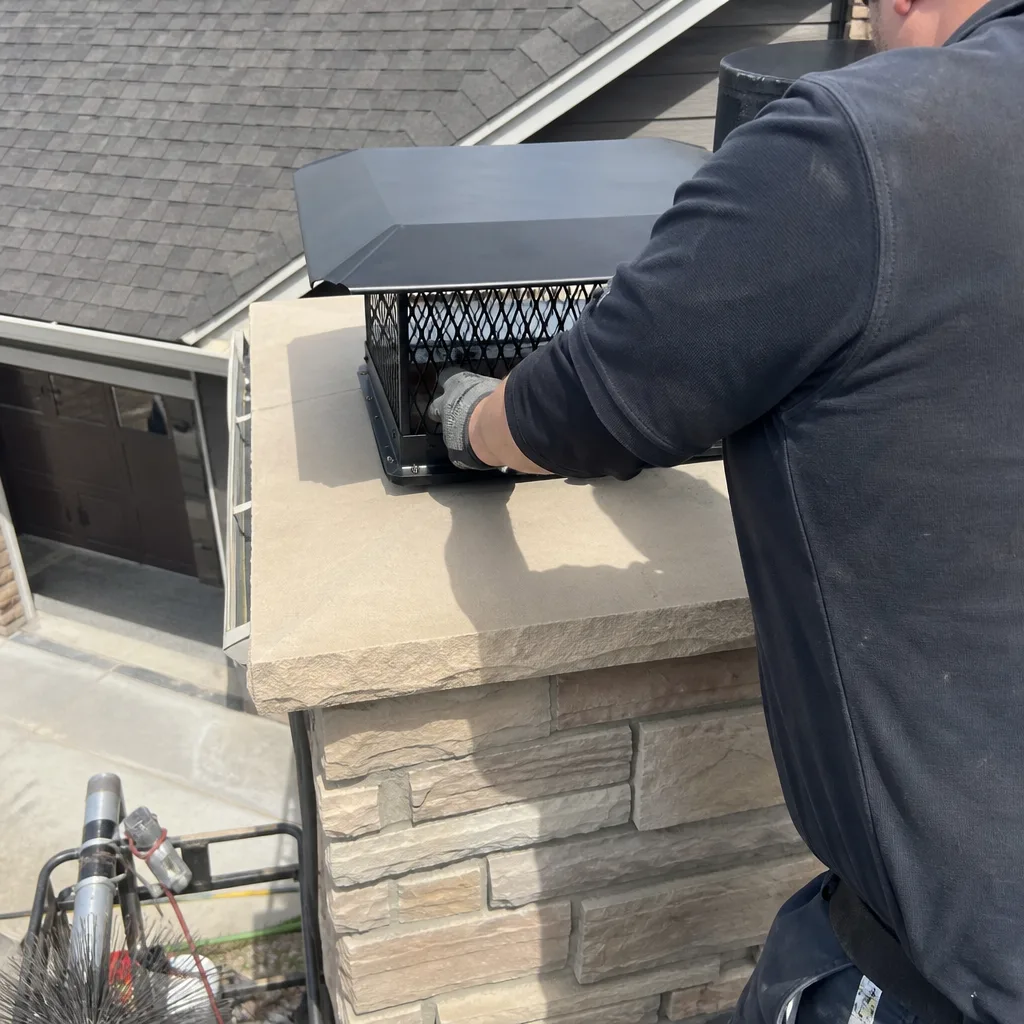
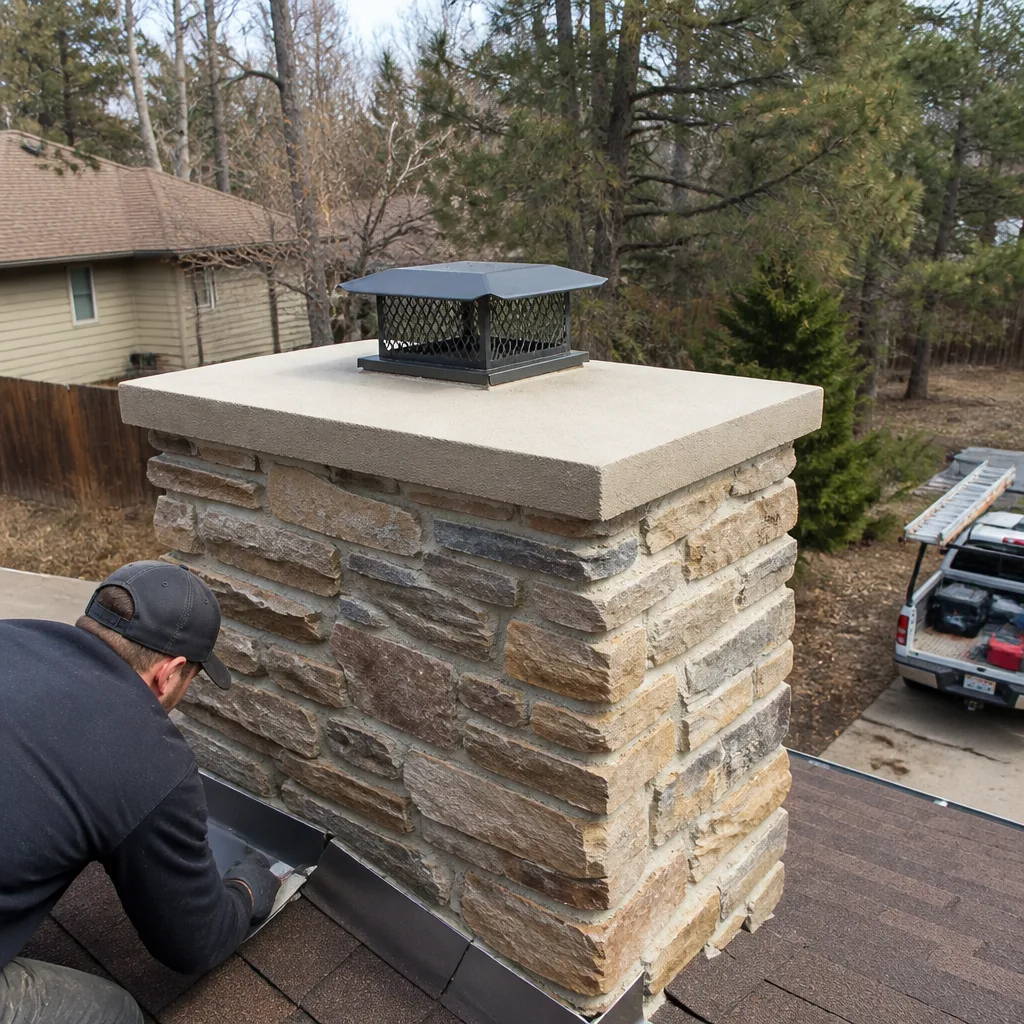
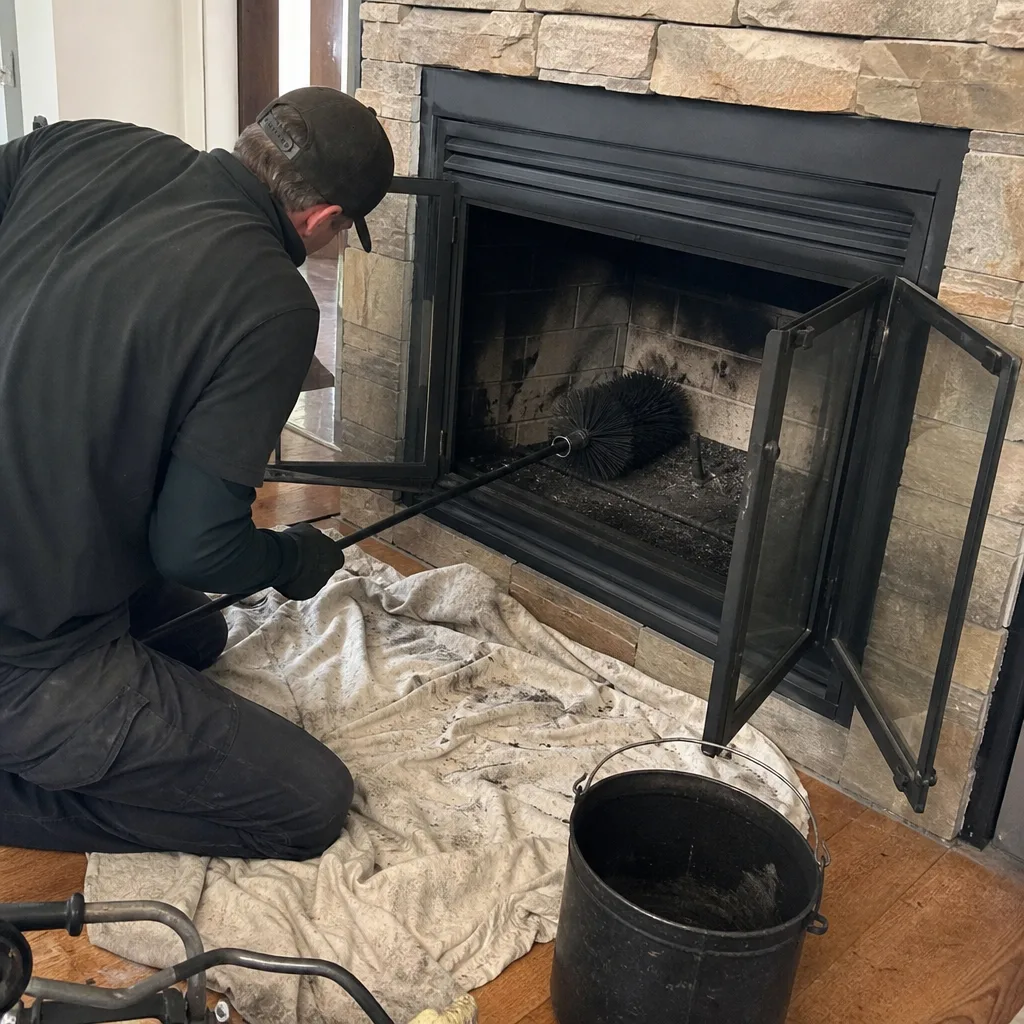
Level 1 sweep and inspection to the NFPA 211 annual standard - flue, crown, cap, and flashing checked and photographed
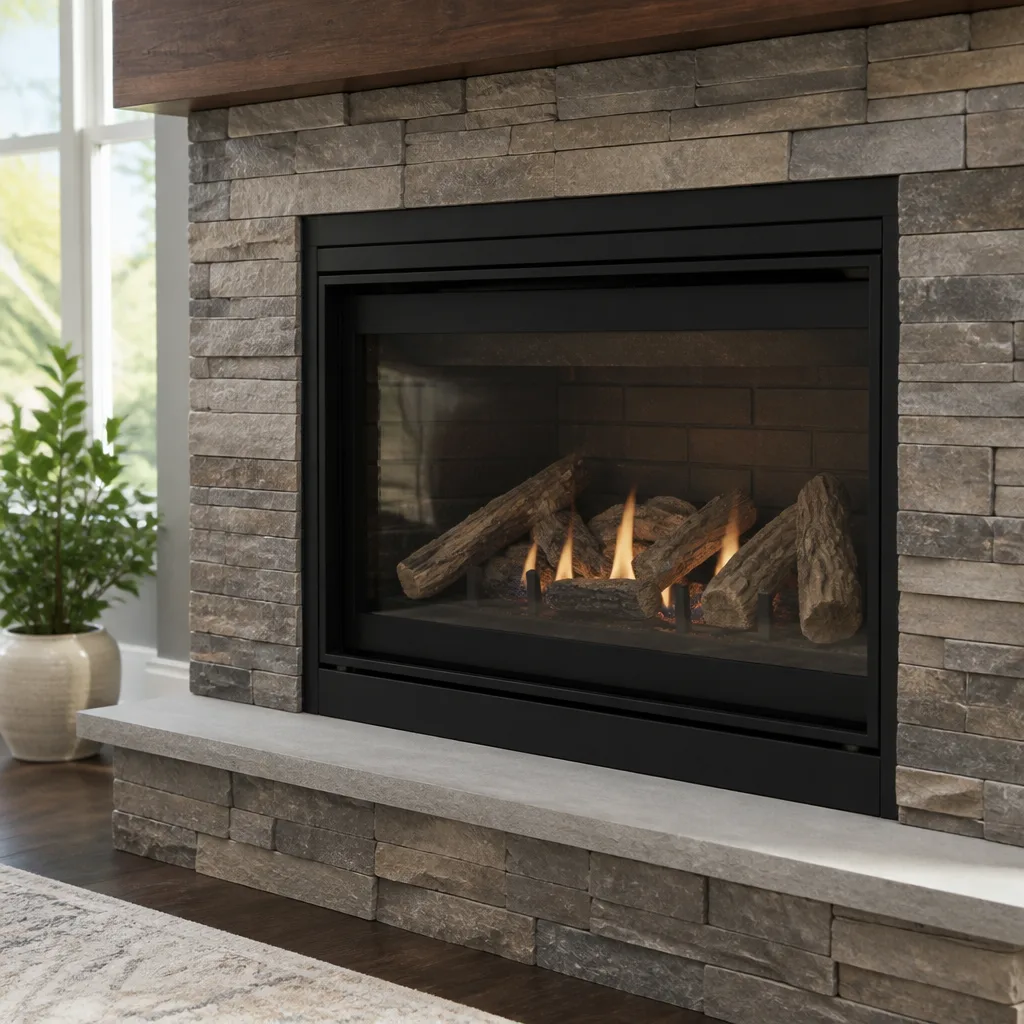
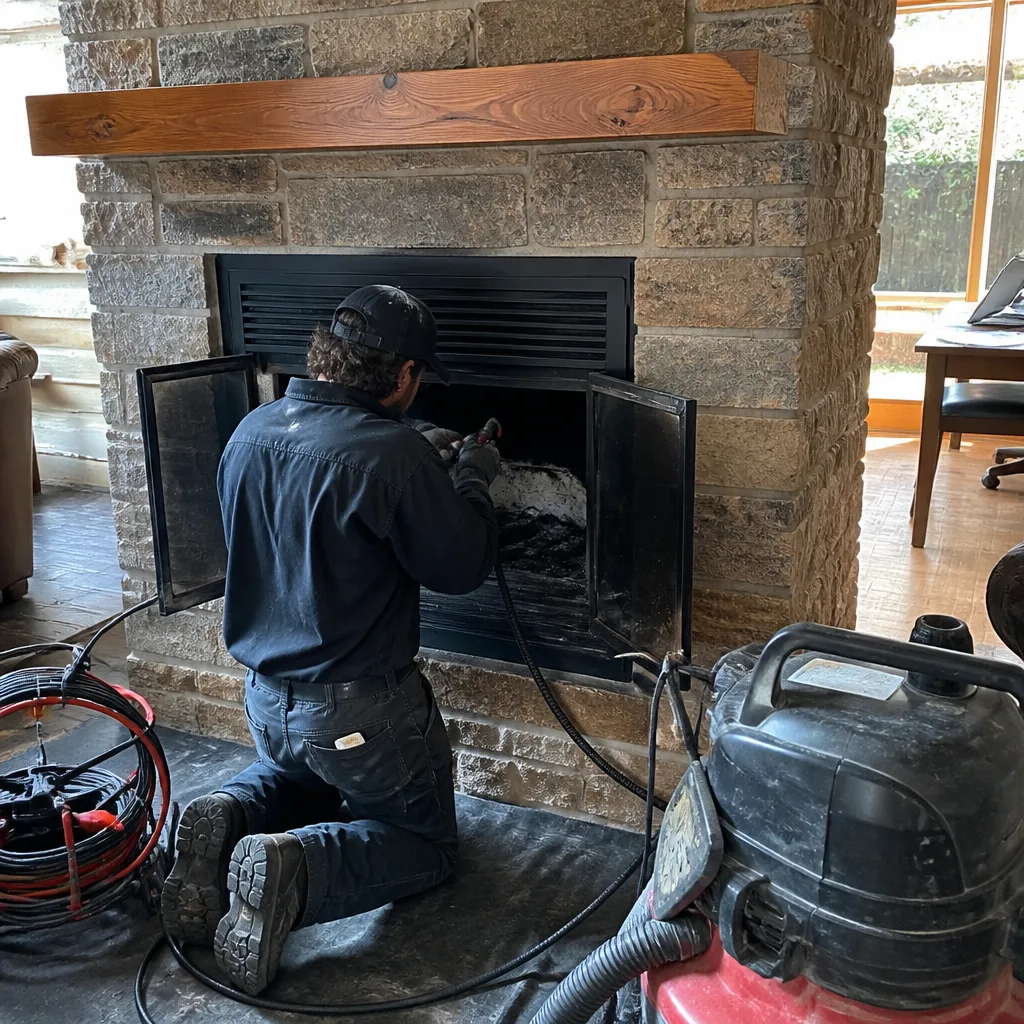
Chimney sweep logs do not sweep chimneys. They loosen some creosote - which then falls where a brush and vacuum still have to collect it.
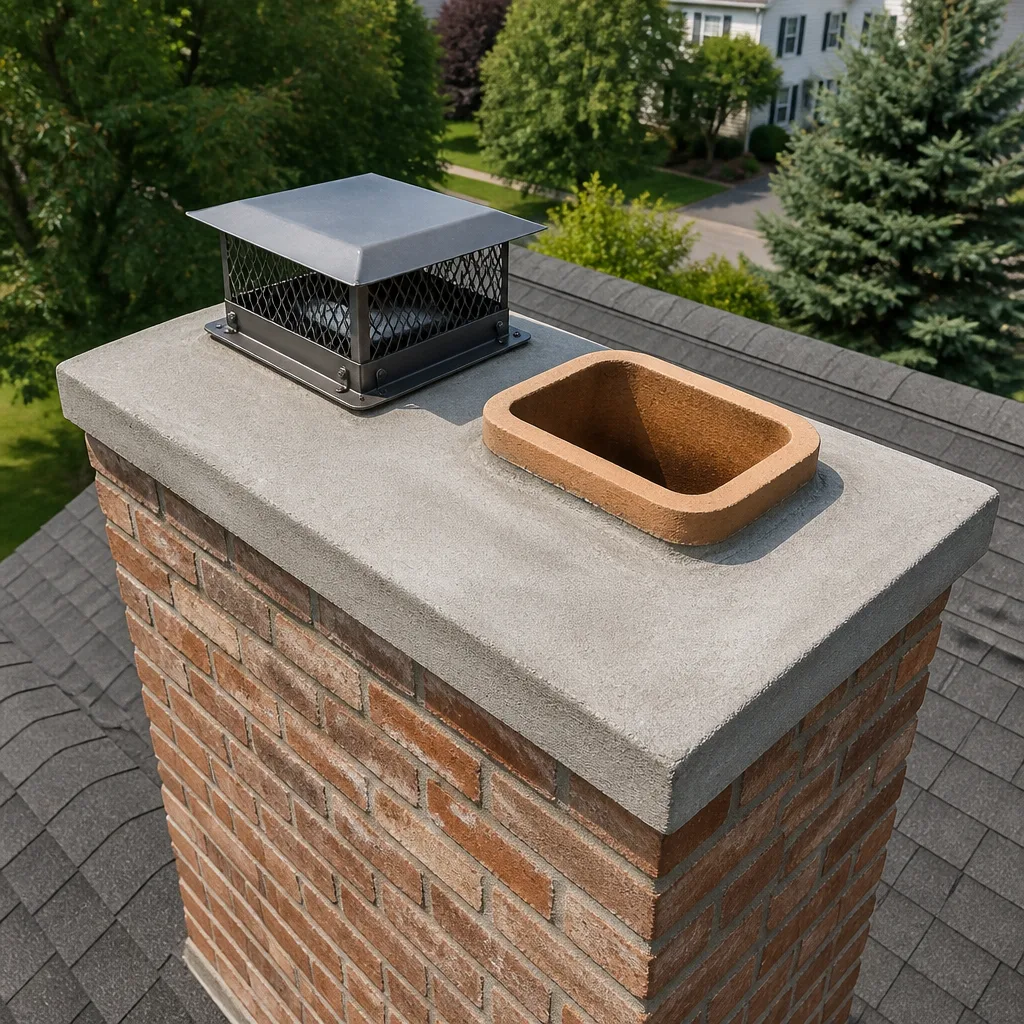
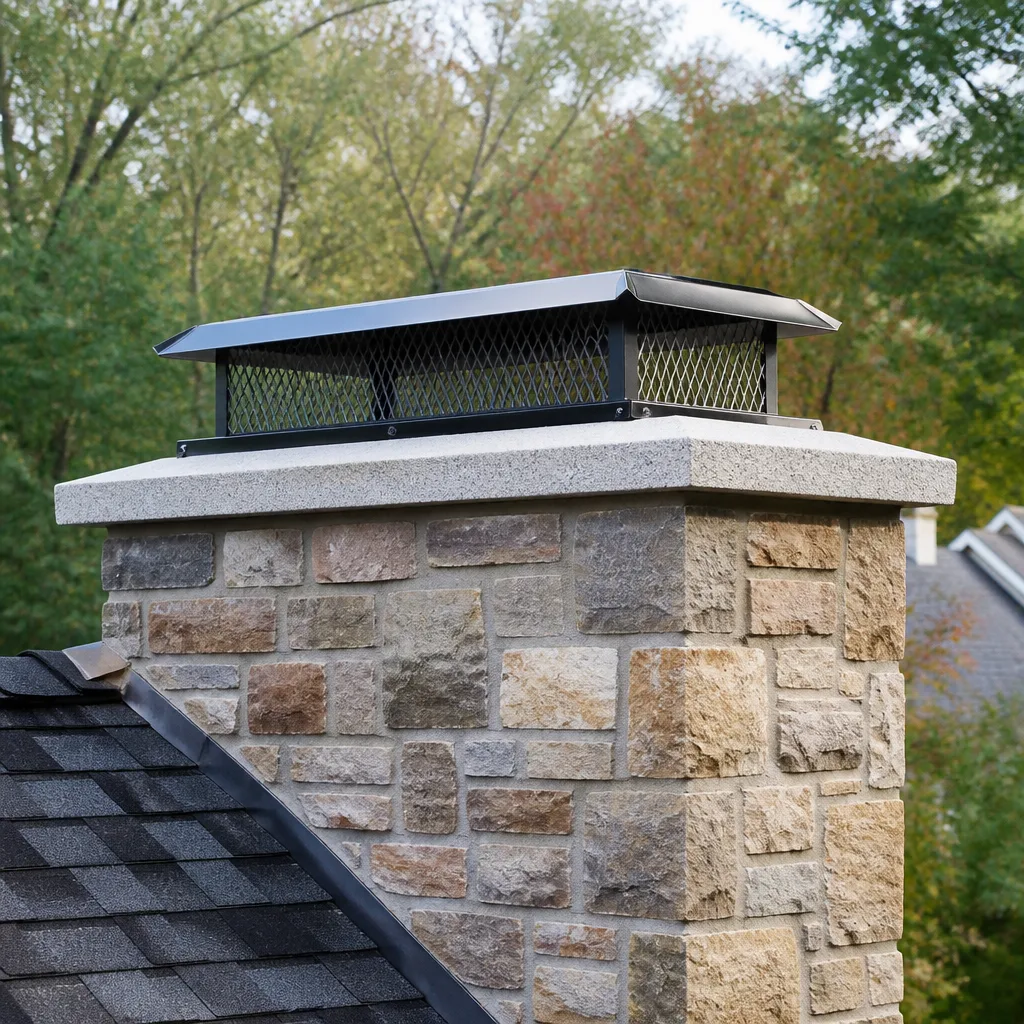
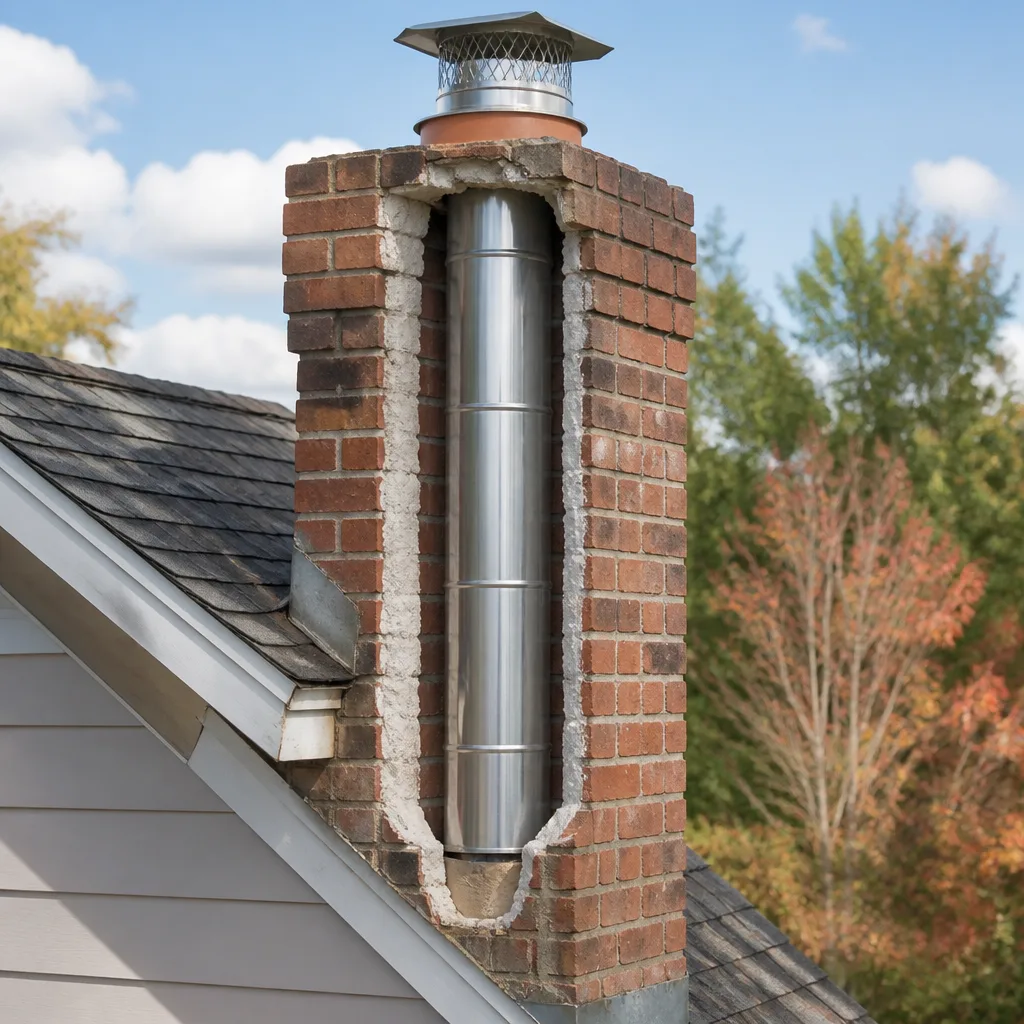
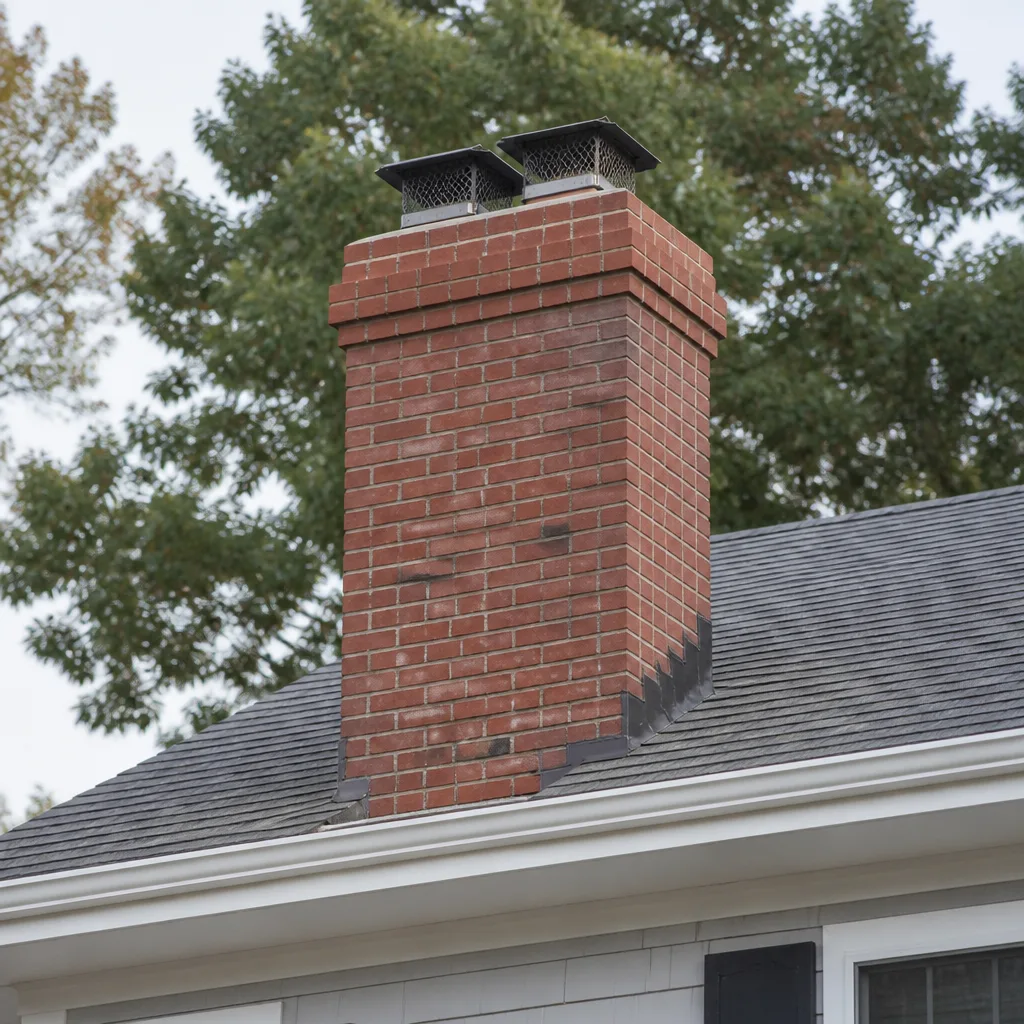
 Before
 After
After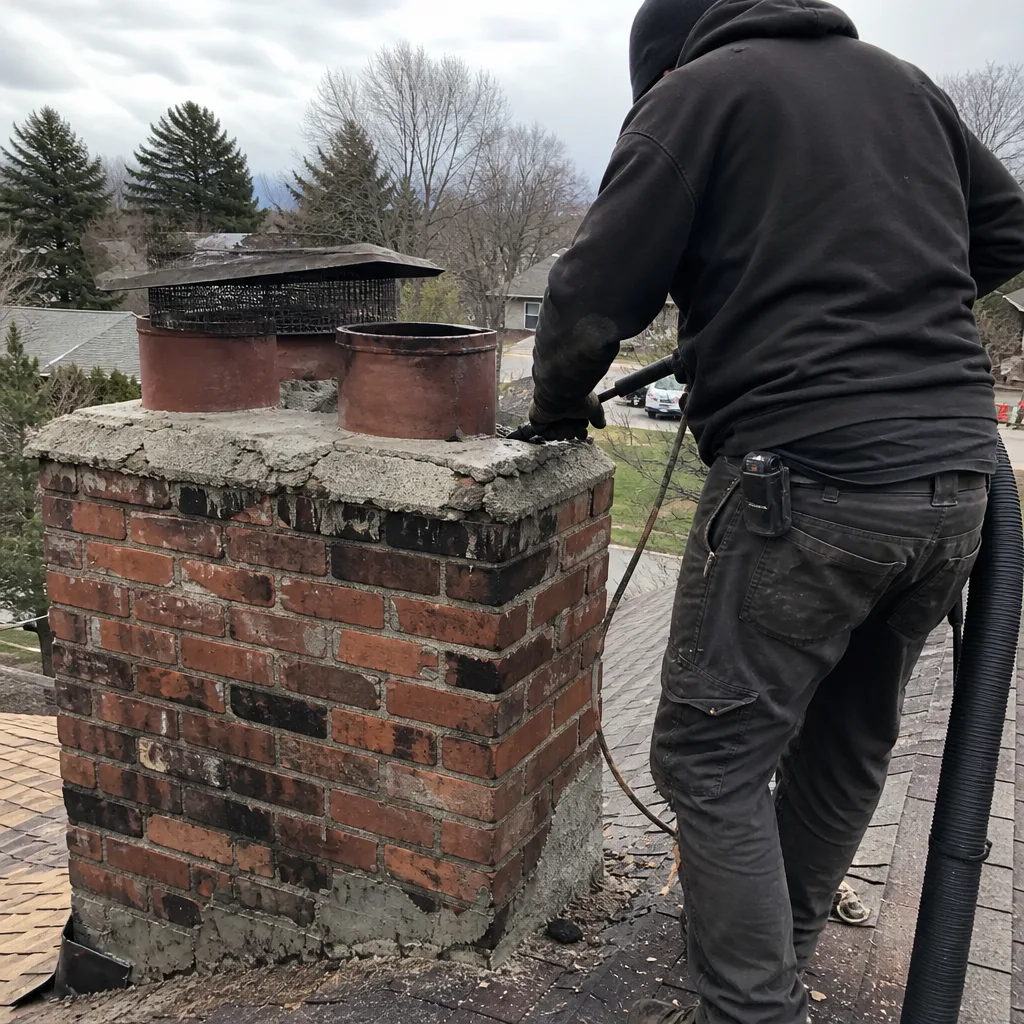 Before
 After
After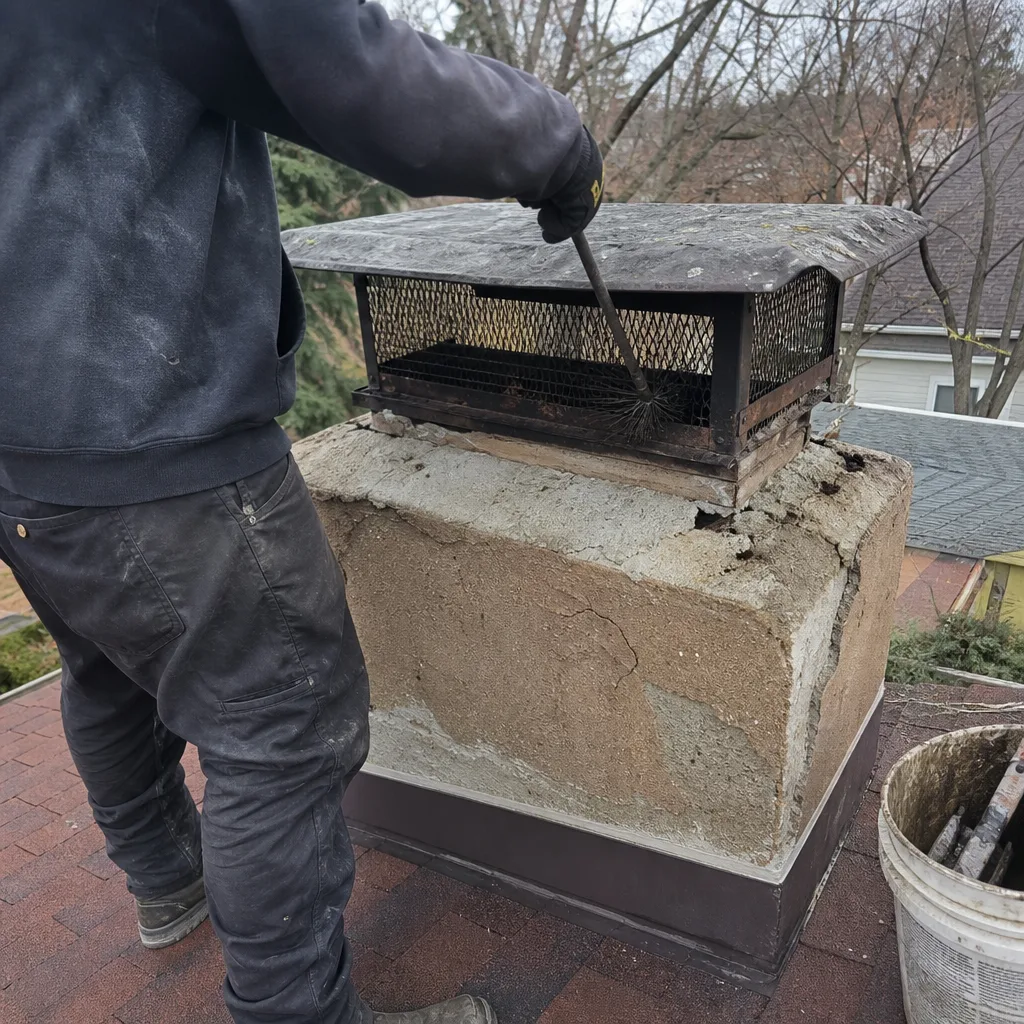 Before
 After
AfterHeatShield Flue Liner Replacement: The Boulder Owner’s Guide
HeatShield flue liner replacement in Boulder typically runs $2,800-$4,500 installed, depending on liner diameter, flue height, and whether the existing clay tiles need extraction. We stock HeatShield-compatible stainless and cerfractory flue liner systems for same-week installation in most Boulder-area homes, from Mapleton Hill Victorians to newer builds near Chautauqua. Corrine Halstead and our crew have handled HeatShield liner failures across every altitude zone in the county, and the pattern is consistent: Boulder’s freeze-thaw cycles and dry winter air accelerate thermal shock cracking in cerfractory liners that were never designed for 5,000+ foot elevation stress.
Most owners discover the problem during a routine sweep when our camera picks up spalling tile, gaps between liner sections, or orange-hot spots where combustion gases are reaching the masonry. Others smell smoke in an upstairs room or notice exterior brick staining that wasn’t there last season. The camera doesn’t guess. Neither do we.
Which HeatShield Models This Applies To
HeatShield manufactures two distinct liner systems, and matching the right replacement matters for warranty coverage and NFPA 211 compliance. The HeatShield Cerfractory system is a hybrid refractory-cement liner sprayed or cast in place, rated to 3,000°F and common in Boulder homes built between 1985 and 2010 where clay tile failure was patched rather than fully rebuilt. The HeatShield Stainless line includes 316Ti and AL29-4C alloy flexible liners for gas and oil appliances, with corrugated profiles that must match the appliance’s draft specification exactly.
To identify your system, check the metal tag on the appliance connection or the documentation left by your last sweep. Cerfractory installations will show a smooth, slightly textured interior with stamped date codes; stainless systems carry a UL 1777 listing tag with diameter, alloy grade, and maximum temperature. We source replacement HeatShield liners through Haven’s buying network alongside DuraFlex and Gelco equivalents, and we’ll show you the OEM spec sheet before quoting. In some Boulder installations, particularly where the flue run exceeds 25 feet or includes an offset, a stainless upgrade from the original cerfractory system proves more durable against our temperature swings. We’re independent of HeatShield - we match the part to your system, not the other way around.
Signs Your HeatShield Flue Liner Replacement Is Failing
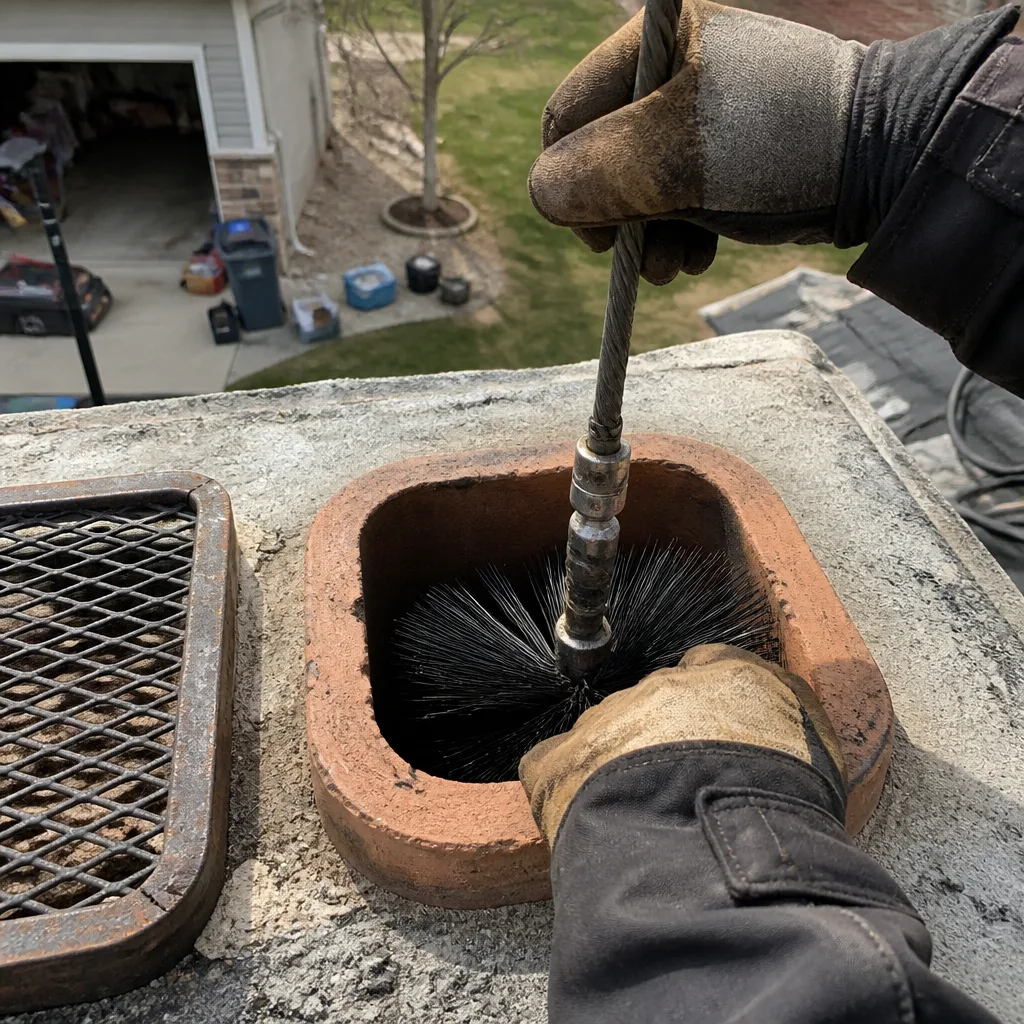
- Flaking or spalling liner surface visible from the firebox. Cerfractory liners in Boulder degrade faster than manufacturer specs suggest because our dry winters cause rapid thermal contraction; what reads as “normal wear” in a sea-level manual is often advanced failure at 5,430 feet.
- Smoke odor in upper floors or attic space. This indicates combustion gases escaping through cracks or failed joints in the liner, creating both a fire risk and potential carbon monoxide pathway into living spaces.
- Exterior masonry staining, especially white efflorescence below the crown. Moisture and acids migrating through liner gaps dissolve salts in the mortar, which then crystallize on the brick face - a clear sign the liner is no longer containing flue gases.
- Deteriorating draft performance or backdrafting on startup. Liner deformation or interior buildup changes flue dynamics; gas appliances may show soot around the burner, while wood systems become harder to light and keep lit.
- Visible gaps or separation between liner sections during inspection. Stainless corrugated liners can pull apart at connection points after years of expansion cycling; cerfractory systems develop shrinkage cracks that widen with each heating season.
BeforeAfterReplacement Cost & What’s Included
| Component | Typical Range (Boulder) |
|---|---|
| HeatShield-compatible stainless liner (6″-8″ diameter, standard height) | $1,800-$2,800 |
| Cerfractory re-lining or cast-in-place restoration | $2,400-$3,600 |
| Clay tile extraction (when required) | $400-$900 |
| Insulation wrap and top plate assembly | $350-$600 |
| Labor, NFPA 211 Level 2 inspection, photo documentation | $1,200-$1,800 |
| Total installed replacement | $2,800-$4,500 |
What drives the range: flue height above two stories, whether we need to remove existing clay tiles or can sleeve past them, and access complexity (steep-pitch roofs common in Martin Acres or North Boulder add rigging time). Every quote is written before work starts, with the scope, materials list, and warranty spelled out - Haven Standard Clause 1. The 365-Day Done Right Promise applies to all liner work, and we document with camera footage and photos under Clause 4, same as we’ve done since 2009. Materials come through Haven’s network from HeatShield, DuraFlex, Gelco, Olympia Chimney, Famco, and Copperfield - no markup games.
DIY or Call Us?
There’s a short list of things a Boulder homeowner can safely check: confirm the appliance tag matches your documentation, look for visible debris or obstructions from the firebox opening, and verify your CO detector is less than seven years old and has fresh batteries. Do not attempt liner extraction, stainless insertion, or cerfractory application yourself. The work involves working at height on steep roofs, handling sharp stainless edges in tight flue spaces, and ensuring proper draft calculations that affect combustion safety. Incorrect liner sizing or poor connection sealing can channel carbon monoxide into wall cavities or create chimney fire conditions. We’ve rescued DIY attempts in Newlands and Wonderland Hill where the liner was the right part but installed with an uninsulated gap that destroyed draft performance. Call (970) 598-0453 and we’ll quote it in writing - no charge for the estimate, and free second opinion on any competitor’s written quote you bring us.
FAQs
Stainless HeatShield liners typically last 15-25 years in Boulder’s climate; cerfractory systems often need attention at 10-15 years due to our extreme thermal cycling and low humidity. The difference is altitude stress - liners here heat and cool faster than at sea level, accelerating material fatigue. Call (970) 598-0453 for an exact condition assessment - estimates are free.
Localized cerfractory cracks can sometimes be patched with compatible refractory sealant if the damage is under 1/4 inch and not in a high-heat zone; stainless liner damage at any point requires full section replacement for UL listing compliance. We won’t recommend patchwork without camera evidence you can see yourself, and we’ll tell you plainly when repair is safe versus when replacement is the only code-compliant option. Call (970) 598-0453 for a written scope.
Most HeatShield flue liner replacements in Boulder are completed in one day for straight flues up to 35 feet; complex extractions with offsets or multiple appliance connections may extend to two days. We assign a named technician, send a text when they’re en route, and leave you with photos, footage, and written warranty documentation before we leave. Call (970) 598-0453 to book.
We stock 6-inch, 7-inch, and 8-inch HeatShield-compatible stainless liners and cerfractory materials on our Boulder trucks, with larger diameters and specialty alloys available through Haven’s supplier network with 2-3 day turnaround. For standard residential sizes, we can usually inspect, quote, and install within the same week. Call (970) 598-0453 to confirm availability for your system.
Written by Corrine Halstead, Owner, Emberly Chimney Cleaners Boulder at Emberly Chimney Cleaners Boulder, serving Boulder and nearby areas.